
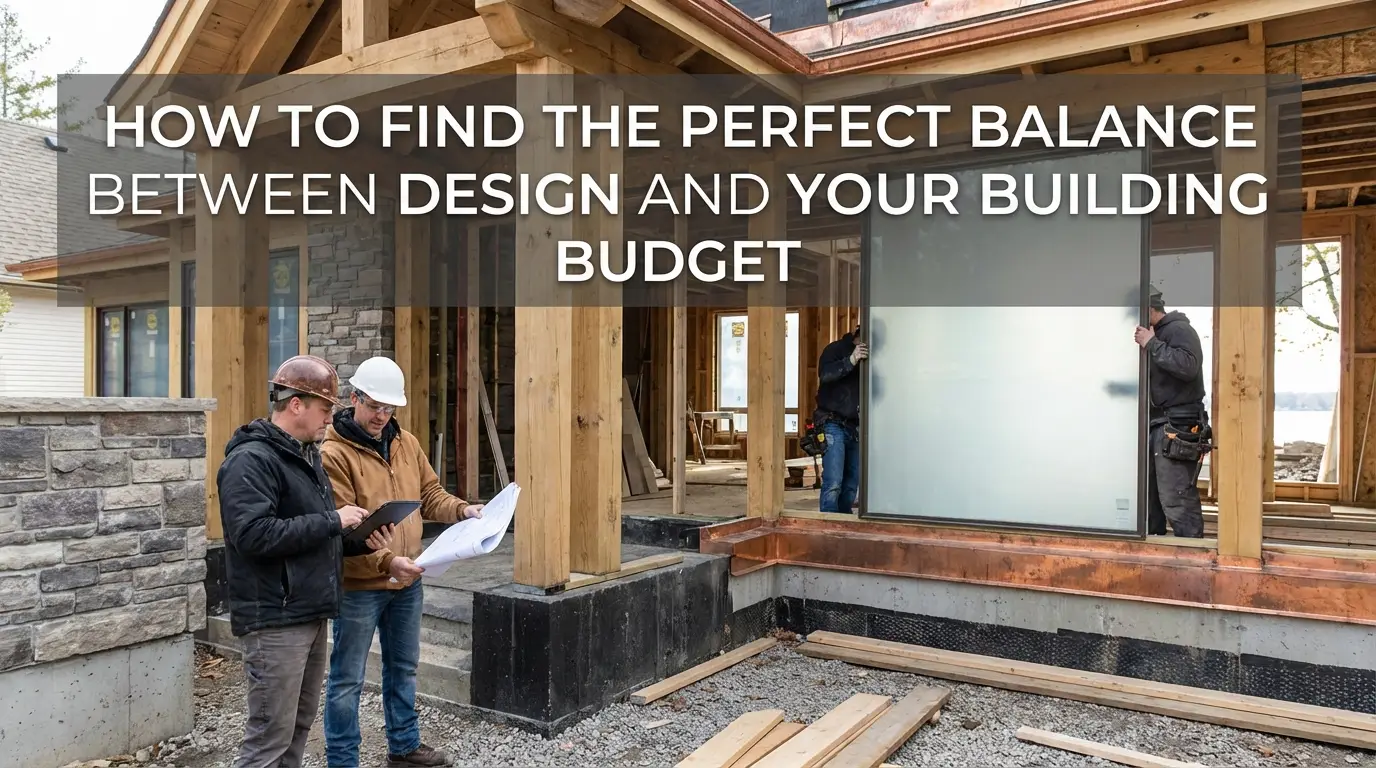
Balancing the artistic vision of a home design with a defined building budget remains a formidable challenge for homeowners and contractors throughout the Greater Toronto Area. As residents of Toronto, Vaughan, Mississauga, Brampton, Oakville, and Richmond Hill are aware, the regional climate, evolving construction standards, and rising material costs add layers of complexity to project planning. Achieving a harmonious blend of design and financial planning not only safeguards your investment but also ensures long-term durability and market value.
In 2026, the emphasis on cost-effective design is paramount as economic dynamics push many to optimize resource allocation without sacrificing architecture’s creative integrity. Whether renovating a historic home in Toronto or modernizing properties in Mississauga, understanding the interplay between aesthetic goals and budget optimization safeguards structural integrity and enhances living experience. This article explores that essential balance for homeowners aiming to navigate the intricacies of building projects while maximizing investment value.
Understanding the Technical Dynamics Behind Balancing Design and Building Budget in Home Construction
The root technical challenge in achieving balance between design ambitions and building budget involves multiple overlapping systems — structural engineering, material durability, and construction methods — influenced by site-specific conditions prevalent in the GTA. Beneath walls and floors lies a complex network of components whose cost implications can be substantial if not carefully planned from the outset.
For example, opting for premium subflooring is essential in our humid Toronto environment. Lower-quality wood products commonly warp or deteriorate faster, leading to costly repairs that undermine long-term budget efforts. Similarly, the choice of insulation and vapor barriers directly affects energy efficiency, operational costs, and compliance with contemporary environmental codes.
Moreover, the technical side includes adopting advanced building methodologies that influence both initial outlay and future maintenance. Modular construction and prefabricated components can reduce waste and shorten schedules, but require upfront coordination and precision. Failure to integrate these considerations during early architectural planning often results in scope creep and budget overruns.
The region’s regulatory environment also plays a role. For instance, adherence to evolving Ontario building codes aimed at carbon reduction influences design choices, potentially increasing costs but delivering significant operational savings. The challenge lies in selecting materials and systems that balance initial expenditure with lifecycle value.
Understanding these technical factors fosters informed design decisions, ensuring that the building budget is not a constraint but a guide that drives optimized architectural solutions tailored to both aesthetic goals and the practical realities of GTA home construction.
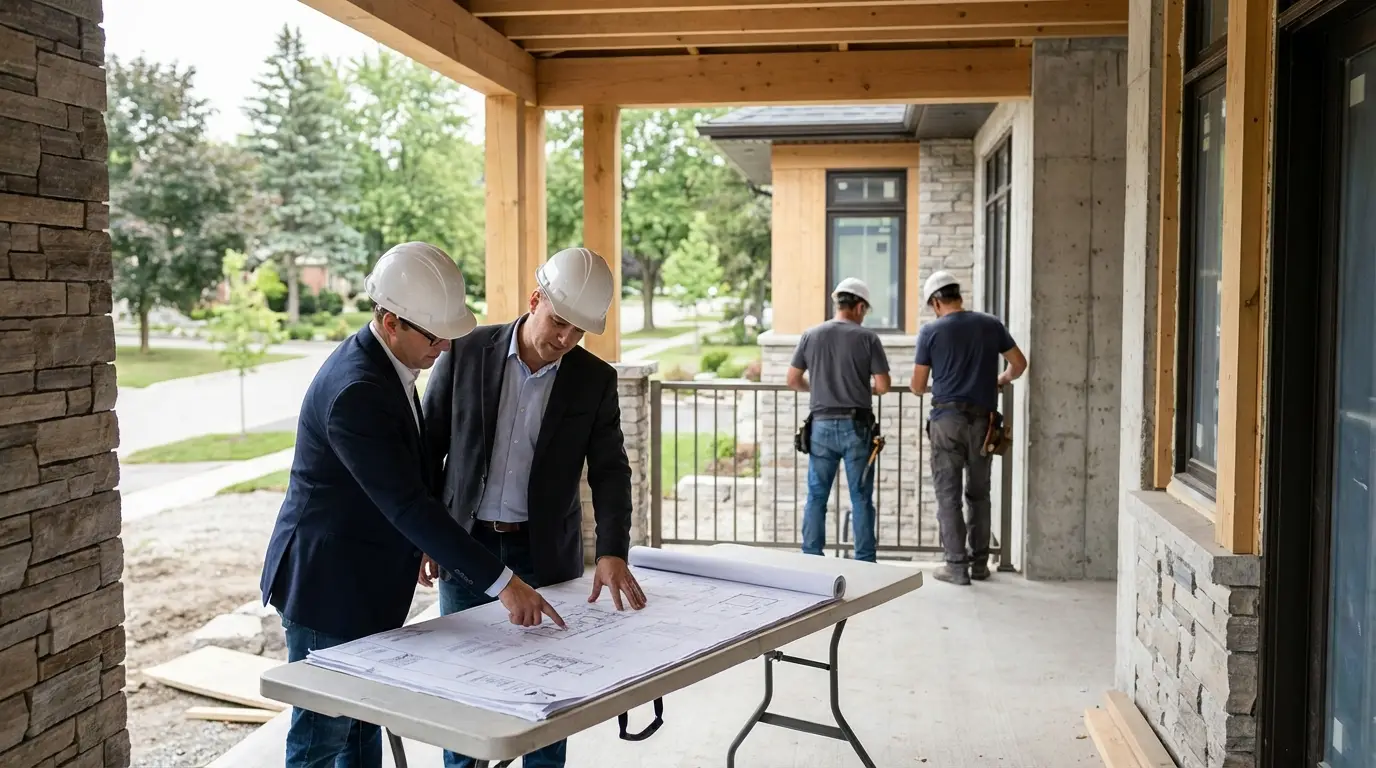
Key Steps and Recommendations for Cost-Effective Design and Budget Management in GTA Projects
- Establish a Realistic Budget from the Start: Begin with a comprehensive Project Budget Worksheet that accounts for construction, design fees, permits, and contingencies. In the GTA, unexpected expenses like soil conditions or supply chain disruptions require a prudent 7-10% contingency fund.
- Engage Quality Builders and Architects Early: Collaborate with professionals familiar with local material costs and construction techniques to validate and refine your budget, ensuring alignment with design ambitions and regional conditions.
- Prioritize Design Elements: Identify core features versus ‘nice-to-haves’ early. Allocating funds toward structural integrity and long-term value enhances return on investment, as exemplified by clients choosing durable exterior cladding over costly, less sustainable finishes in Mississauga upgrades.
- Opt for Durable, Climate-Appropriate Materials: Avoid short-term savings on cheap materials prone to damage in Toronto’s freeze-thaw cycles. Strategic investment in proven materials mitigates the risk of costly repairs and preserves the building’s marketability.
- Incorporate Sustainable Design Features: Design choices such as energy-efficient windows, green roofs, or natural lighting reduce operational costs and add financial and environmental value. These elements reflect growing buyer priorities in Oakville and Richmond Hill.
- Embrace Value Engineering: When design complexity pushes budgets, work with contractors and architects to explore alternative solutions that maintain aesthetics without sacrificing quality or functionality.
- Optimize Space and Functionality: A carefully planned floor layout minimizes wasted square footage, reducing overall construction costs while meeting lifestyle needs. Effective space use is especially important in urban Toronto infill projects.
- Monitor Costs Continuously: Implement detailed cost tracking and schedule regular budget reviews throughout design and construction phases to identify overruns and adjust accordingly.
- Minimize Design Changes During Construction: Finalize design details early to reduce expensive revisions during building, ensuring smoother project flow and adherence to budget.
- Foster Open Communication Among All Parties: Encourage frequent collaboration between clients, architects, and contractors to keep the project on track and swiftly resolve issues.
Contractor Pro-Tip: During early site inspections in the GTA, watch closely for subtle signs of moisture or structural shifts in existing foundations. Addressing these hidden issues during the diagnostic phase avoids budget-busting surprises later and ensures design decisions are grounded in structural realities.
The CNG Professional Solution for Aligning Design Ambitions with Building Budgets
At CNG Contracting, the approach involves a comprehensive Professional Diagnostic Visit designed to assess your project site meticulously. Conducted with an expert eye for both design potential and budget viability, this visit drives informed decision-making before construction begins. In the context of Toronto’s often challenging climate and complex regulatory environment, our diagnostic process evaluates structural integrity, material suitability, and resource allocation efficiency.
This diagnostic service fee is fully credited toward your final project cost, underscoring our commitment to transparency and partnership. By engaging early in the project, homeowners in Vaughan, Mississauga, and surrounding GTA areas gain detailed insights that help align architectural vision with realistic financial planning. This foundation ensures that your investment optimizes durability, aesthetic impact, and cost control.
Working with our team allows clients to leverage years of experience in cost-effective design strategies and contractor realism. We navigate value engineering without compromising the creative intent and ensure that your home is built to thrive in the GTA environment while respecting your budgetary goals. To explore how we can bring your project in line with your financial and design vision, visit our detailed overview on high-end budget management strategies.
Technical Comparison: Evaluating Different Strategies for Design and Budget Balance
| Situation/Strategy | Risk Level | Proactive Benefit |
|---|---|---|
| Using Low-Cost Materials to Save Initial Budget | High – leads to early failure, maintenance costs | Short-term savings but likely expensive repairs and replacement |
| Investing in Durable, Local Materials | Low – proven resilience to local climate | Long-term savings via maintenance reduction and higher resale value |
| Maximizing Architectural Complexity Without Budget Review | Very High – scope creep and cost overruns | Potential design excellence but moderate to severe financial risks |
| Value Engineering to Balance Design & Cost | Moderate – requires careful collaboration | Maintains design intent while controlling project cost effectively |
| Thorough Early Budget Planning and Diagnostic Visits | Minimal – strong financial controls | Identifies issues early, optimizes resource allocation and schedule |
Taking Action: Initiate Your Design and Budget Alignment with CNG Contracting
Homeowners looking to balance design creativity with rigorous building budgets in Toronto, Vaughan, Mississauga, and surrounding areas are encouraged to contact CNG Contracting for expert guidance. Our seasoned team understands both the artistry and realism required to deliver projects that maximize long-term value and structural integrity.
To schedule your Professional Diagnostic Visit or learn more about our process, call us at (647) 669-7346 or visit the Contact Us page. This step represents a critical investment in your home’s future, ensuring the project proceeds with clarity and confidence.
Essential Glossary for Understanding Design and Building Budget Optimization
- Value Engineering: The systematic method to improve the “value” of a project by evaluating function versus cost and modifying design accordingly.
- Scope Creep: The uncontrolled expansion of project scope without adjustments to time, cost, and resources.
- Building Information Modeling (BIM): A digital representation of physical and functional characteristics of a building used for collaboration and decision-making.
- Contingency Fund: A budget reserve allocated to address unforeseen costs during construction or design phases.
- Modular Construction: Prefabricated building sections constructed offsite and assembled onsite, often reducing construction time and cost.
Why is starting with a realistic budget critical for custom home projects?
A realistic budget ensures alignment between design ambitions and financial capacity, preventing costly overruns and enabling effective resource allocation throughout construction.
How does value engineering contribute to balancing budget and design?
Value engineering allows the exploration of cost-effective alternatives that maintain essential design functions and aesthetics, helping control budget without major sacrifices.
What are common causes of budget overruns during home construction?
Typical causes include scope creep, unexpected site conditions, material price fluctuations, and frequent design changes during construction.
How does collaboration among architect, contractor, and client impact budget management?
Open communication and early involvement of all parties help identify cost-saving opportunities and avoid misunderstandings, ensuring budget adherence and project success.
What role does the GTA climate play in material selection and cost?
Toronto’s seasonal extremes require durable, climate-appropriate materials to avoid damage and costly repairs, influencing both initial costs and long-term investment value.