Is your home quietly signaling that it’s lagging behind modern standards without you even realizing it? In the dynamic Greater Toronto Area, where seasons swing rapidly and technology evolves just as fast, recognizing when your home needs a technical update is crucial. Many homeowners live comfortably, unaware that creeping inefficiencies and outdated systems are silently undermining their home’s value, safety, and daily enjoyment. This article sheds light on the core signs and technical challenges that indicate it’s time for a strategic upgrade, ensuring your property keeps pace with the demands of the 2026 home environment in Toronto, Vaughan, Mississauga, Brampton, Oakville, and Richmond Hill.
From subtle visual wear to the strain on aging systems, identifying these signals early empowers homeowners to plan renovations that preserve structural integrity, improve energy efficiency, and enhance lifestyle functionality. This discussion also covers the impact of local climate factors such as humidity and temperature swings, underscoring why tailored technical updates are not just a luxury but a necessity for GTA homes. Ready to decode your home’s hidden messages and discover how technology modernization can revitalize your living space?
Key Points Overview:
- Recognize signs like inefficient HVAC, rising utility bills, and quirky electrical behavior as triggers for technical updates.
- Understand how the specific climate of the GTA accelerates material wear and system aging in homes.
- Learn why layout inefficiencies and underutilized spaces often signal deeper architectural or technical shortcomings.
- Explore how strategic updates in home technology and automation systems can enhance comfort and value.
- Discover how proactive diagnostics can prevent costly failures and maintain the long-term investment of your home.
The Technical Foundations Behind Outdated Homes in the GTA
Beyond aesthetics and surface-level wear, the true backbone of your home’s condition lies within its systems and structural components. In the Greater Toronto Area’s unique climate pattern—characterized by cold winters and humid summers—homes must withstand thermal and moisture stress that can accelerate degradation, especially in older constructions or those with outdated systems. When these systems fall behind modern standards, it’s not just a matter of comfort; it becomes a question of safety and longevity.
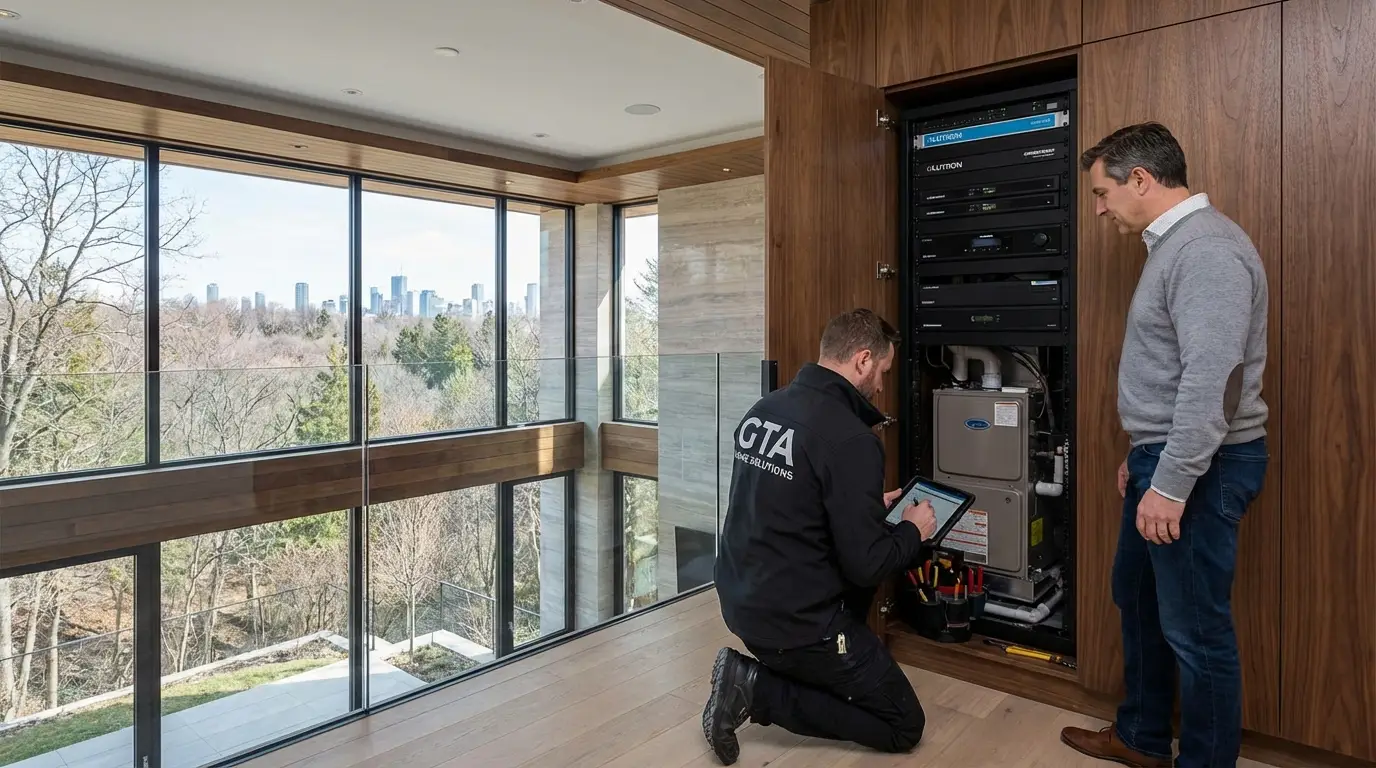
Take, for instance, the heating and cooling mechanisms. Older heating systems may struggle with uneven distribution of warmth during Ontario’s frigid winters, leading to inefficient energy consumption and spot heating. This inefficiency is often compounded by insufficient insulation or drafty windows, common in homes built before current building codes adapted to local climate demands. Moreover, outdated electrical panels put many homes at risk due to increased demand for power by modern home technology and smart home systems prevalent in 2026. The inherent volume of devices—from smart thermostats to integrated lighting and security—requires a stable and upgraded electrical infrastructure to function reliably.
Under the surface, plumbing networks constructed decades ago may also suffer from corrosion or material fatigue. Pipes made from outdated materials are prone to leaks, pressure drops, and contamination risks, issues exacerbated by seasonal freezing and thawing cycles. Water heaters operating beyond their optimal lifecycle offer inconsistent temperature output and waste energy, another technical inefficiency commonly overlooked.
Architectural layout also plays a role in technical viability. Homes designed without future-proofing in mind often struggle with modern usage patterns, leading to underutilized spaces, inadequate storage, and inefficient traffic flow. This misalignment between original design and current needs can lead to increased wear and technical strain as homeowners modify usage habits.
Recognizing the Most Crucial Signs Your Home Technology Is Outdated
Distinct indicators stand out when your home technology and systems lag behind current performance and safety standards. Spotting these early can save homeowners in Toronto and surrounding areas from escalating costs and downtime. Here are five critical signs to watch for:
- Inconsistent Heating and Cooling Performance: If certain rooms feel drafty, or your HVAC system cycles excessively, it’s a clear technical inefficiency. Older ductwork combined with aging HVAC units struggle to maintain balanced temperatures, especially in homes suffering from inadequate insulation.
- Rising Utility Bills Without Lifestyle Changes: When energy costs climb despite no new devices or increased usage, your systems may be working harder due to inefficiency or leaks. This subtle financial signal hints at older systems needing modernization.
- Frequent Electrical Interruptions: Flickering lights, tripped breakers, or hot outlets indicate the electrical panel or wiring might be outdated—none of which are just nuisances but safety hazards requiring professional attention.
- Visible Structural Deterioration: Cracked walls, warped floors, and water stains are often outward symptoms of internal issues such as plumbing leaks, foundation shifts, or moisture infiltration, all demanding thorough technical evaluation.
- Underused or Uncomfortable Rooms: Spaces left cold in winter, hot in summer, or awkwardly configured often signal the need for technical updates like enhanced insulation, improved ventilation, or layout reconfigurations to optimize usage and efficiency.
Each of these signs not only affects homeowner comfort but also points to underlying system failures or inefficiencies that—when addressed—can elevate the home’s performance and longevity. Recognizing these signs early is a process of listening to your home’s technical ecosystem, interpreting its needs as a blueprint for necessary renovation or system upgrades involving modern home tech.
7 Essential Contractor Steps to Modernize Your Home Technology and Layout
- Comprehensive Diagnostic Visit: Start with a full technical inspection carried out by licensed professionals in Toronto or Vaughan to assess HVAC, electrical panels, plumbing, and insulation.
- Prioritize HVAC Upgrades: Replace aging systems with energy-efficient, zoned heating and cooling units designed for the local climate, ensuring balanced airflow and lower operational costs.
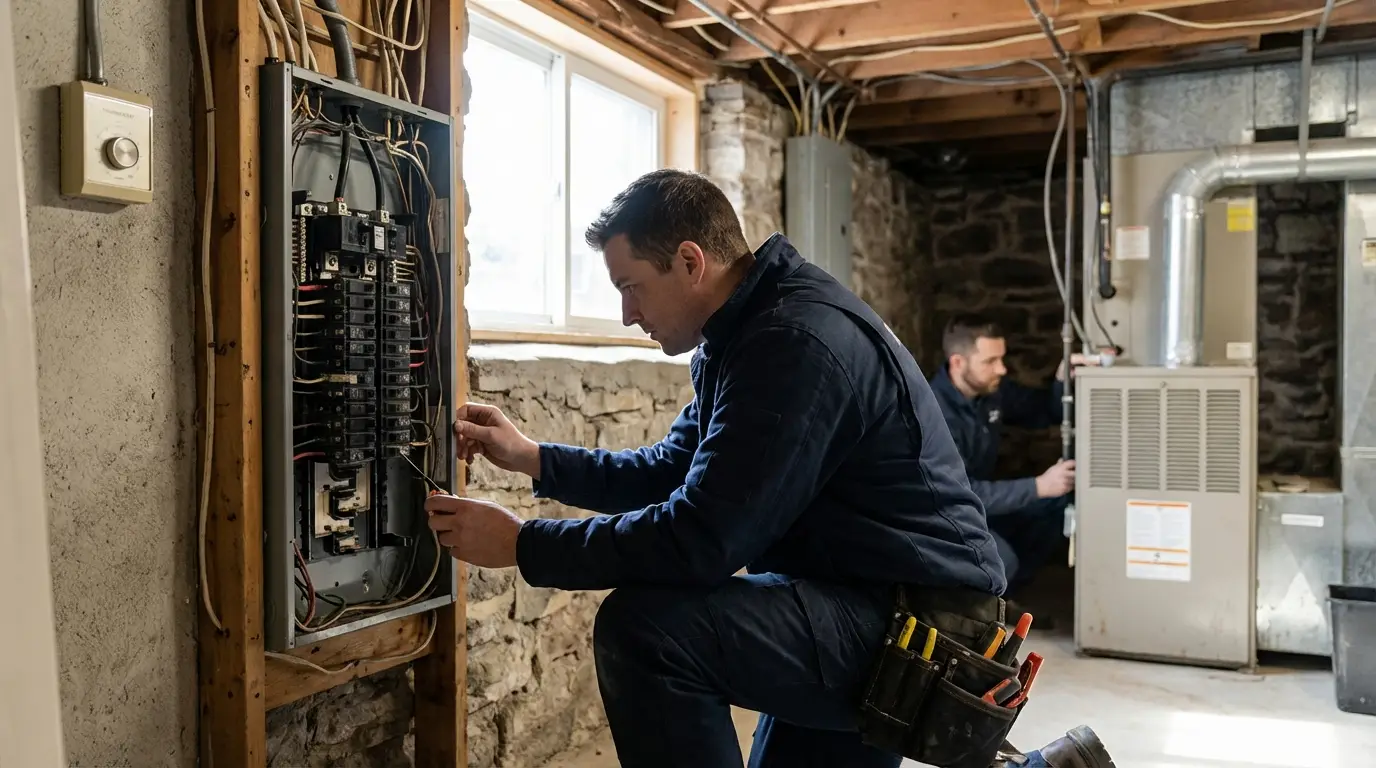
- Electrical Panel Modernization: Upgrade outdated electrical panels to support smart home automation, multiple high-capacity devices, and overall increased demand safely.
- Improve Insulation and Window Sealing: Address drafts and temperature inconsistencies by retrofitting insulation and installing high-performance windows suited for the GTA’s humidity levels.
- Install Smart Home Technology: Integrate centralized control systems that optimize energy consumption, lighting, and security, aligning with modern home automation trends.
- Plumbing System Revitalization: Replace corroded piping and upgrade water heaters to tankless or high-efficiency models to prevent leaks and maintain water quality.
- Reconfigure Layout for Efficiency: Adjust room functions, add storage solutions, and enhance flow to reflect contemporary usage patterns, improving the property’s overall functionality.
- Prioritize Durable, Climate-Appropriate Materials: Use flooring and structural materials designed to withstand Toronto’s humidity and seasonal variations, preventing warping and premature wear.
- Document and Schedule Annual Maintenance: Establish maintenance plans to monitor system health regularly and avoid surprises, a vital step to protect investment value.
- Plan for Future Scalability: Design updates that allow for future technology integration or expansions, such as EV charging or advanced automation modules.
These steps, when executed with contractor expertise, set the foundation for a resilient home that performs optimally in the evolving Greater Toronto market. Homeowners engaging in these practices contribute to maintaining cellular property value and operational efficiency sustainable for decades.
For homeowners deeply invested in long-term value, inspecting electrical panels during a routine diagnostic is indispensable. Many homes in Mississauga and Brampton use panels originally designed for far lower demand. Identifying undersized breakers or outdated components early prevents electrical hazards and costly downtime.
The CNG Professional Technical Update Strategy for GTA Homes
CNG’s approach integrates a full-spectrum assessment beginning with a professional Diagnostic Visit focused on the Greater Toronto Area’s specific climate and architectural legacy. This precise evaluation examines the condition of HVAC, plumbing, electrical systems, and structural materials to identify vulnerabilities and improvements tailored for Toronto, Vaughan, Mississauga, Brampton, Oakville, and Richmond Hill residences.
Our process ensures homeowners receive actionable insights backed by contractor-level expertise, charting a clear path through prioritized upgrades that maximize efficiency, comfort, and market appeal. The Diagnostic Visit fee is fully credited toward the cost of the prioritized technical update or renovation project, making it a smart initial investment.
Example solutions include transitioning to zoned HVAC units that provide energy-efficient comfort throughout Ontario winters and hot summers, replacing legacy plumbing with corrosion-resistant materials suitable for local water quality, and modernizing electrical panels to support the increasing adoption of smart home and home automation devices, a hallmark of modern home tech in 2026.
For those looking to revitalize only portions of their home, CNG contractors offer specialized services such as bathroom renovations and kitchens renovations, focusing on functional upgrades that blend technical improvement with aesthetic value, all aligned to extend the home’s lifecycle.
The advantage of working with seasoned contractors lies in integrating these various updates into a master plan that considers durability, maintenance practicality, and resale potential—essential elements to maintaining your property’s long-term structural integrity and market readiness.
Comparing Home Update Strategies and Their Impact on Risks and Benefits
| Situation / Strategy | Risk Level | Proactive Benefit |
|---|---|---|
| Ignoring rising utility bills | High | Leads to increased energy costs and faster system degradation |
| Updating HVAC systems before failure | Low | Improves energy efficiency and reduces emergency repair costs |
| Delayed electrical panel upgrades | High | Increased fire hazard and appliance failure risk |
| Regular maintenance and diagnostics | Very Low | Prevents unexpected breakdowns and maintains home value |
| Ignoring structural damage signs | Very High | Risk of costly repairs and potential safety hazards |
When to Reach Out to a Professional Contractor for a Technical Update
Homeowners in Toronto, Vaughan, Mississauga, Brampton, Oakville, and Richmond Hill should pay close attention to the signs outlined earlier and consider engaging experienced contractors for a detailed evaluation. A professional starts with targeted diagnostic visits and offers tailored strategies to secure the home’s future functionality and value.
Whether it’s a full home system overhaul or focused renovations such as full renovation or specific small changes that cumulatively improve system efficiency and aesthetics, investing in expert contractor advice can prevent emergencies and extend home longevity.
To schedule a professional assessment or discuss your home’s technical update needs, call (647) 669-7346 or visit our Contact Us page for guidance tailored to GTA homeowners.
Home Systems and Renovation Technology Glossary
- HVAC (Heating, Ventilation, and Air Conditioning): The integrated system responsible for regulating indoor temperature and air quality.
- Electrical Panel: The central unit that distributes electrical power throughout the home, requiring updates to handle modern loads safely.
- Smart Home Automation: Technology that allows centralized and automated control over lighting, security, HVAC, and appliances via connected devices.
- Zoned Heating/Cooling: HVAC configuration that allows independent temperature control of different house areas, optimizing energy use and comfort.
- Diagnostic Visit: A professional on-site evaluation that assesses home systems’ condition and generates a prioritized action plan.
How often should I schedule a home technical diagnostic visit?
Scheduling a professional diagnostic visit every 3-5 years helps catch system issues early and maintain home efficiency and safety.
Can I upgrade just part of my home systems without a full renovation?
Yes, targeted upgrades like smart thermostats, plumbing improvements, or electrical panel updates can be done independently and offer significant benefits.
What smart home technologies are essential for modernizing my house?
Core smart home technologies include automated lighting, smart thermostats, security systems, and integrated controls that enhance energy efficiency and convenience.
Will a technical update increase my home’s resale value?
Strategic updates focusing on energy efficiency, modern appliances, and improved layouts typically enhance market appeal and resale price.
Are older homes harder to modernize given their original design?
While older homes pose challenges due to original layouts and systems, professional contractors use innovative solutions to integrate modern tech without compromising structural integrity.