
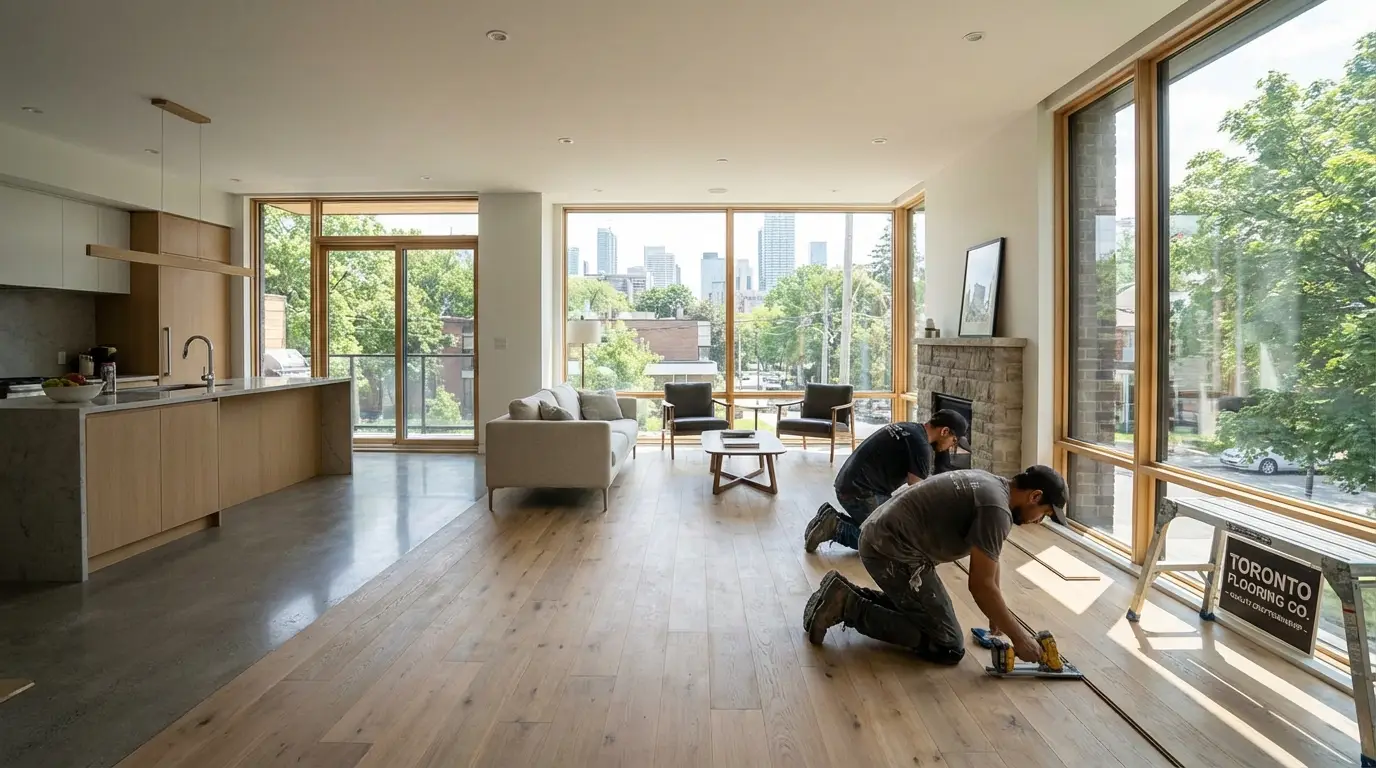
Choosing the right flooring for high-traffic modern homes in Toronto requires careful planning and expertise. The city’s dynamic lifestyle and distinct seasonal climate place unique demands on flooring materials and installation techniques. From ensuring durability against daily wear to managing moisture levels influenced by Toronto’s fluctuating humidity, selecting the optimal flooring impacts not only aesthetics but also the longevity and maintenance of your investment. High-traffic areas such as entryways, kitchens, and hallways demand superior material resilience combined with practical maintenance considerations to uphold structural integrity over time.
In Toronto’s modern home design landscape, resilient materials that balance style and functionality drive home value. Homeowners and contractors alike seek flooring options adapted to endure the city’s diverse conditions, providing both tactile comfort and visual appeal. Understanding the technical aspects behind each flooring option can empower informed decisions and ensure the home’s interior flooring stands strong against the test of time.
The Crucial Role of Flooring Choices in Toronto’s High-Traffic Modern Homes
In high-traffic modern homes across Toronto, flooring is more than a visual feature; it is a key element of structural function and daily life efficiency. Heavy footfall, shifting furniture placement, ongoing cleaning routines, and seasonal moisture variations impose rigorous tests on floor materials and their installation methods. Selecting flooring requires balancing durability with aesthetics to maintain the seamless look demanded by contemporary home design. High-traffic zones – from mudrooms accommodating winter boots to open-concept living areas facilitating active families – amplify these challenges.
Toronto’s blend of humid summers and freezing winters necessitates flooring solutions that compensate for seasonal expansion and contraction. Modern homes often feature open floorplans that extend the coverage area, making consistent flooring materials essential for cohesive visual flow and a unified atmosphere. Moreover, with increased awareness of home investment longevity, savvy homeowners consider materials that enhance property value through lasting performance and minimized upkeep.
Durable floors must resist scratches, dents, and moisture intrusion, preserving both functionality and appearance for years. Flooring options for high-traffic modern homes in Toronto integrate technical features designed to weather these conditions, maintaining ease of floor maintenance and supporting evolving home design trends.
Technical Insights into Flooring Material Performance in Toronto’s Climate
Understanding the technical composition and environmental interactions of flooring in Toronto’s modern homes reveals why some materials outperform others in high-traffic settings. Behind the visible surface lies a complex interplay of subfloor stability, moisture management, and material composition that dictates flooring longevity and comfort.
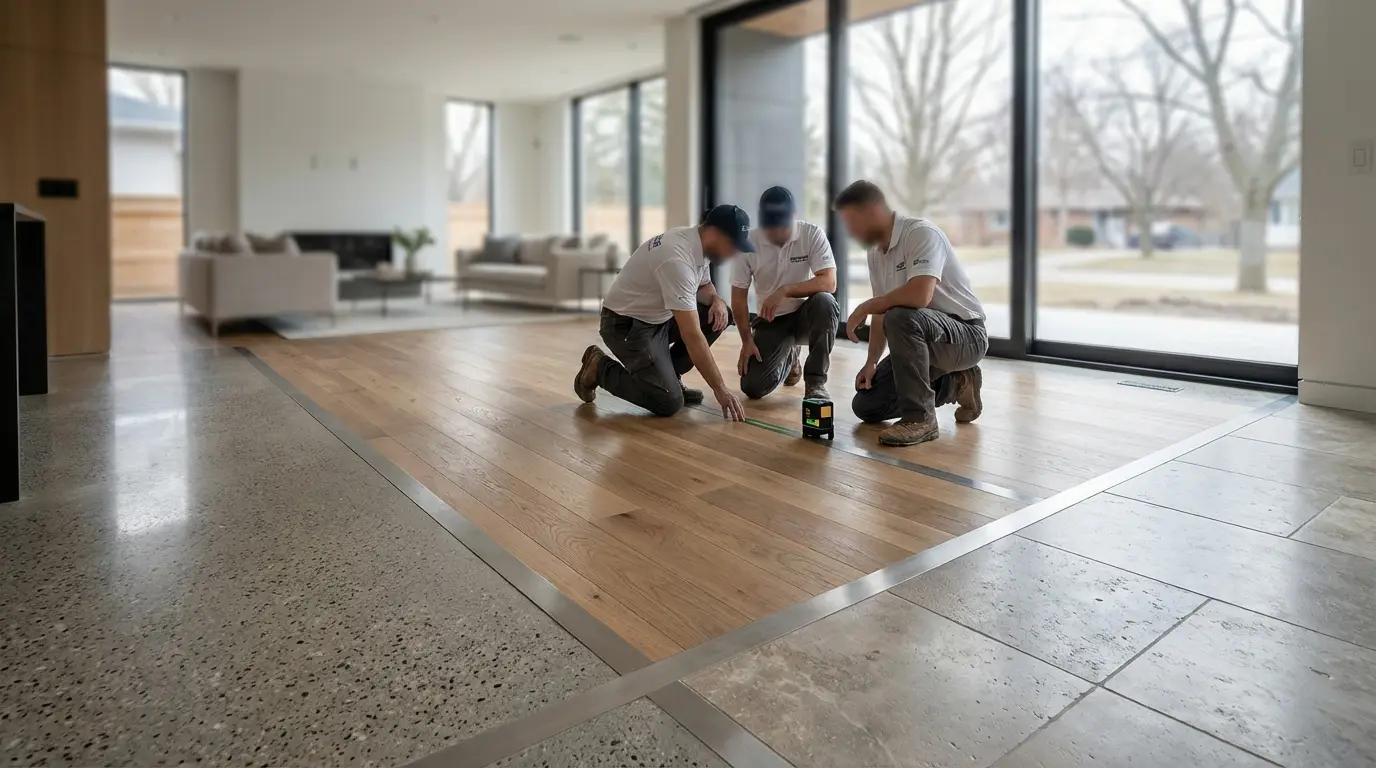
Subfloor Selection and Preparation: Modern homes in the GTA require subfloors that resist Toronto’s humidity levels and temperature fluctuations. Materials like concrete slabs with moisture barriers or plywood treated to avoid warping ensure foundational stability. Neglecting correct subfloor preparation can lead to uneven surfaces, warping, or premature flooring failure. The subfloor’s role is critical in preventing moisture penetration, a common issue in basements and entryways due to fluctuating humidity and wet feet.
Material Durability: Flooring materials must endure more than simple wear. For example, vinyl planks are engineered with multiple layers to combine waterproof properties with scratch resistance and dimensional stability. In contrast, hardwood’s natural fibers respond to moisture and temperature changes with expansion and contraction, making engineered hardwood preferable for Toronto’s environment due to its layered construction and added moisture resistance.
Wear Layers and Protective Treatments: Laminates and vinyl products often feature wear layers designed to protect against abrasion, stains, and UV damage. These layers extend life expectancy and reduce maintenance frequency. Such protective coatings are valuable when households experience heavy foot traffic accompanied by dirt and grit tracked in from outdoors.
Thermal and Acoustic Considerations: Floor coverings contribute to home comfort by insulating against cold subfloors common in Ontario’s winters and minimizing sound transmission in large, open-concept modern homes. Materials like carpet tiles or underlayments incorporated beneath hard floors improve acoustic properties and provide thermal comfort.
Environmental Factors: Toronto’s seasonal changes deliver challenges – from dry, heated interiors to humid summers. Resilient materials that allow for slight dimensional movement without compromising structural integrity are essential to prevent cracking, warping, or gaps that degrade floor appearance and performance.
Modern flooring solutions also align with sustainable construction goals by incorporating eco-friendly manufacturing processes and recyclable materials. This trend responds to increasing consumer demand for responsible home design while preserving long-term home value.
Professional Recommendations for Optimal Flooring Selection and Installation
- Choose Engineered Hardwood for Balanced Elegance and Resilience: Select high-quality engineered hardwood with a robust wear layer and moisture-resistant core to accommodate Toronto’s humidity without sacrificing the warmth of a wood finish.
- Opt for Glue-Down and High-Grade Vinyl Planks in Entry and Wet Areas: These materials serve well in mudrooms, kitchens, and bathrooms by offering waterproof performance and ease of cleaning essential for high-traffic zones prone to moisture.
- Consider Commercial-Grade Laminate with AC5 or AC6 Ratings: For hallways and living spaces, top-tier laminate flooring withstands scratches, impacts, and daily abrasion while delivering modern aesthetics.
- Plan for Consistent Flooring Across Open-Concept Zones: Using the same material throughout connected high-traffic areas enhances visual flow and simplifies maintenance, crucial for modern home designs in Toronto.
- Invest in Quality Subfloor Preparation: Ensure professional assessment and treatment of subfloors to prevent moisture problems and uneven flooring surfaces that can jeopardize durability.
- Incorporate Underlayments for Comfort and Sound Control: Underlayments can reduce noise transmission and provide insulation, improving occupant comfort in multi-level or open sourceliving spaces.
- Plan Floor Finishes to Enhance Slip Resistance: Especially in homes with children or seniors, finishes that reduce slip hazards increase safety without compromising design.
- Schedule Seasonal Maintenance Checks: Regular inspections help detect early issues such as minor scratches, moisture damage, or loose planks before they escalate into costly repairs.
- Maintain Detailing Around HVAC and Structural Components: Allow for material expansion and contraction near baseboards or heating vents to avoid buckling and unsightly gaps.
- Work with Experienced Installation Teams: Skilled installers familiar with Toronto’s climate nuances ensure the integrity and performance of your flooring over the years.
Pro Contractor Tip: Always verify moisture content in subfloors before installation using professional sensors to avoid hidden water damage that can compromise your flooring project’s durability in Toronto’s fluctuating humidity environment.
How CNG Contracting Delivers Tailored Flooring Solutions for Toronto’s Modern Homes
At CNG Contracting, we specialize in providing bespoke flooring solutions designed explicitly for the demands of high-traffic modern homes in Toronto and its surrounding communities such as Vaughan, Mississauga, and Richmond Hill. Our approach centers on a comprehensive Professional Diagnostic Visit, where our experts assess your home’s specific needs, including subfloor conditions, moisture challenges, and usage patterns. This visit fee is fully credited toward your project, ensuring that every step moves you closer to a resilient, stylish, and functional floor.
We integrate long-term home value considerations, choosing materials and installation methods that provide not just immediate visual appeal but also enduring structural integrity. Our solutions cover a range of proven materials, including engineered hardwood, glue-down vinyl planks, and commercial-grade laminates, tailored for each high-traffic zone within your home. By applying best practices in moisture control, subfloor preparation, and finish detailing, our teams ensure that your flooring investment will stand strong through Toronto’s climate extremes and daily use.
We invite homeowners interested in maximizing the performance and durability of their interior flooring to explore our flooring solutions and book their Professional Diagnostic Visit. This detailed on-site evaluation forms the cornerstone of a master plan that aligns durability, design, and maintenance in one cohesive project.
Technical Comparison: Flooring Strategies for High-Traffic Modern Homes in Toronto
| Situation / Strategy | Risk Level | Proactive Benefit |
|---|---|---|
| Using Solid Hardwood in Entryways | High | Early warping and surface damage due to moisture exposure |
| Employing Glue-Down Vinyl Plank Flooring in Wet Areas | Low | Waterproof and durable surface, easy cleaning, enhanced aesthetics |
| Applying Commercial Laminate (AC6) in Hallways | Low | Resists scratches and impacts, maintaining appearance under heavy use |
| Skipping Subfloor Moisture Testing | Very High | Risk of hidden damage and premature flooring failure |
| Integrating Engineered Hardwood with Proper Underlayments | Low | Balance of natural wood aesthetics with moisture resilience and sound control |
Invitation to Book a Professional Diagnostic Visit for Flooring Assessment
Enhance your Toronto home’s value and functionality by scheduling a Professional Diagnostic Visit with our team at CNG Contracting. This in-depth evaluation focuses on identifying the ideal flooring materials and installation process that match your high-traffic areas and the local climate challenges. The diagnostic visit fee is fully credited toward your project, making it a shrewd step in planning your home upgrade. Contact us at (647) 669-7346 or visit our Contact Us page to secure your appointment. Let our expertise guide your flooring investment to durability and design excellence.
Important Technical Terms Related to Flooring in High-Traffic Homes
- Subfloor: The foundational layer beneath the visible floor covering, critical for stability and moisture resistance.
- Engineered Hardwood: A wood flooring product made from multiple layers to improve dimensional stability and moisture resistance over solid hardwood.
- Wear Layer: The top protective coating on laminate and vinyl floors that shields against scratches, stains, and UV light.
- AC Rating: Abrasion Class rating indicating the resilience of laminate flooring, with AC5 and AC6 suitable for commercial and high-traffic residential use.
- Glue-Down Installation: A flooring method where planks or tiles are adhered directly to the subfloor for enhanced stability and moisture protection.
What is the most durable flooring material for high-traffic modern homes in Toronto?
Glue-down vinyl plank flooring and high-grade commercial laminate (AC5 or AC6) provide excellent durability and moisture resistance suitable for Toronto’s climate and lifestyle.
How does Toronto’s humidity affect flooring materials?
Toronto’s humidity causes expansion and contraction in flooring materials. Engineered hardwood and vinyl flooring with proper subfloor preparation can mitigate these effects, preserving material integrity.
Can I install new flooring without disrupting my daily routine?
Scheduling installation during off-hours or in stages can minimize disruption. Floating floors like click vinyl and laminate enable quicker installation, ideal for busy households in Toronto.
Why is subfloor moisture testing important?
Moisture testing prevents hidden damage that can cause warping or mold. It ensures the subfloor is suitable for durable flooring installation, vital in Toronto’s varying moisture conditions.
How often should flooring in high-traffic areas be maintained?
Regular inspections and seasonal maintenance help detect early wear or moisture issues, extending the life of durable floors and maintaining a pristine appearance.