
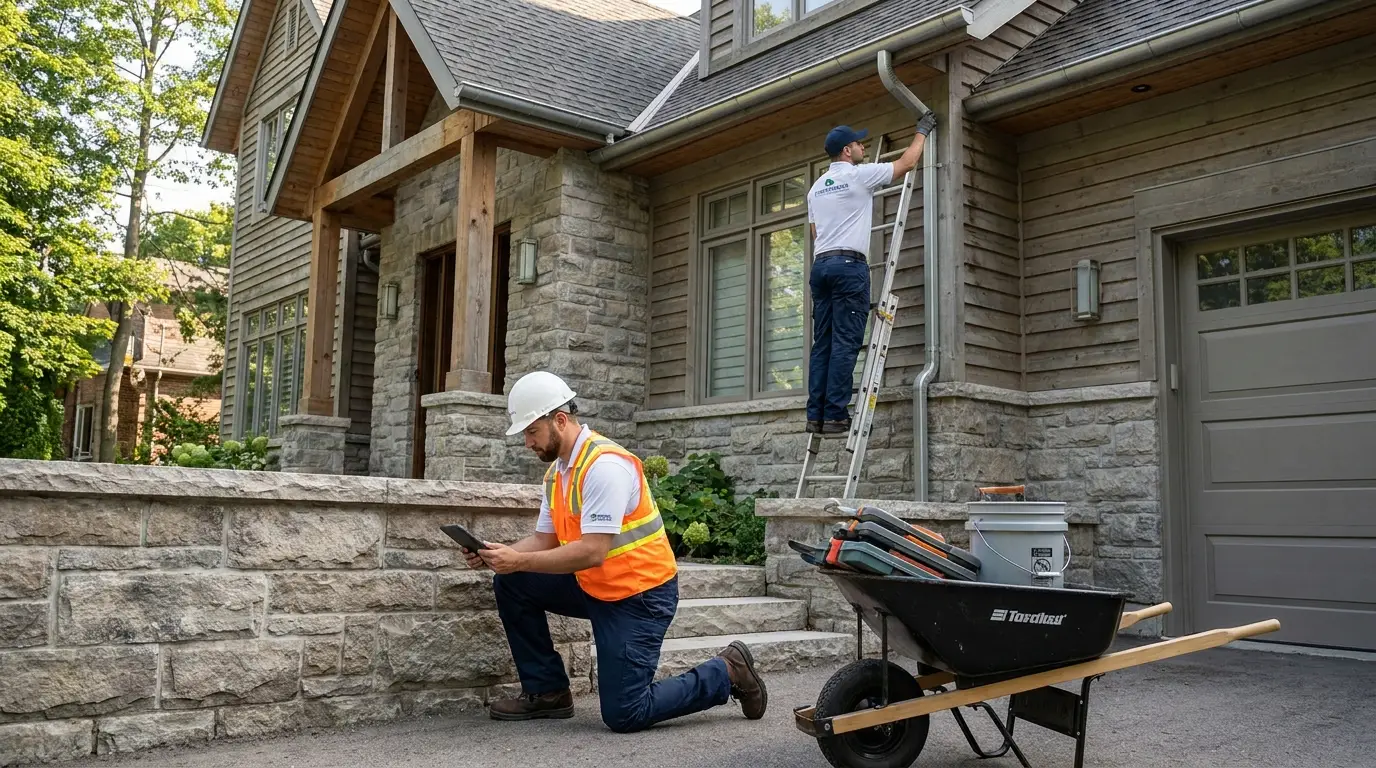
Stewardship of property is a nuanced discipline that bridges the gap between mere ownership and responsible, sustainable management. For homeowners throughout the Greater Toronto Area, including cities like Toronto, Vaughan, Mississauga, Brampton, Oakville, and Richmond Hill, mastering property stewardship is essential in the face of local climate challenges and evolving urban landscapes. The process demands a blend of expertise in property management, building maintenance, and asset protection to ensure long-term resilience and value retention.
In a region marked by seasonal extremes—winters with heavy snowfalls and humid summers—understanding how to manage structural materials and landscape ecology is foundational. The cumulative effects of fluctuating temperatures and moisture levels influence everything from foundation integrity to energy efficiency, making stewardship not just an ideal but a necessity. A professional builder’s approach to stewardship weaves together these technical considerations with a strategic vision for sustaining property value and fostering thriving living environments.
Understanding Property Stewardship: A Vital Practice for GTA Homeowners
Property stewardship transcends regular upkeep; it reflects a comprehensive philosophy of managing one’s real estate portfolio with foresight and technical precision. Given the rapid growth and urban sprawl within the Greater Toronto Area, alongside the increasing complexity of building codes and environmental standards, a professional-grade approach to stewardship is indispensable.
From the initial steps of construction oversight to ongoing facility management, each phase influences not only the property itself but its surrounding community fabric. Areas such as Brampton and Oakville, known for their blend of suburban and natural spaces, spotlight the role of stewardship in preserving local ecological balance while delivering high-quality residential environments.
Ultimately, proper stewardship fosters not just a durable, well-maintained residence but a legacy investment. Thoughtful stewardship means creating homes that perform structurally and aesthetically in the long haul, maintaining both material quality and community health through proactive and sustainable practices.
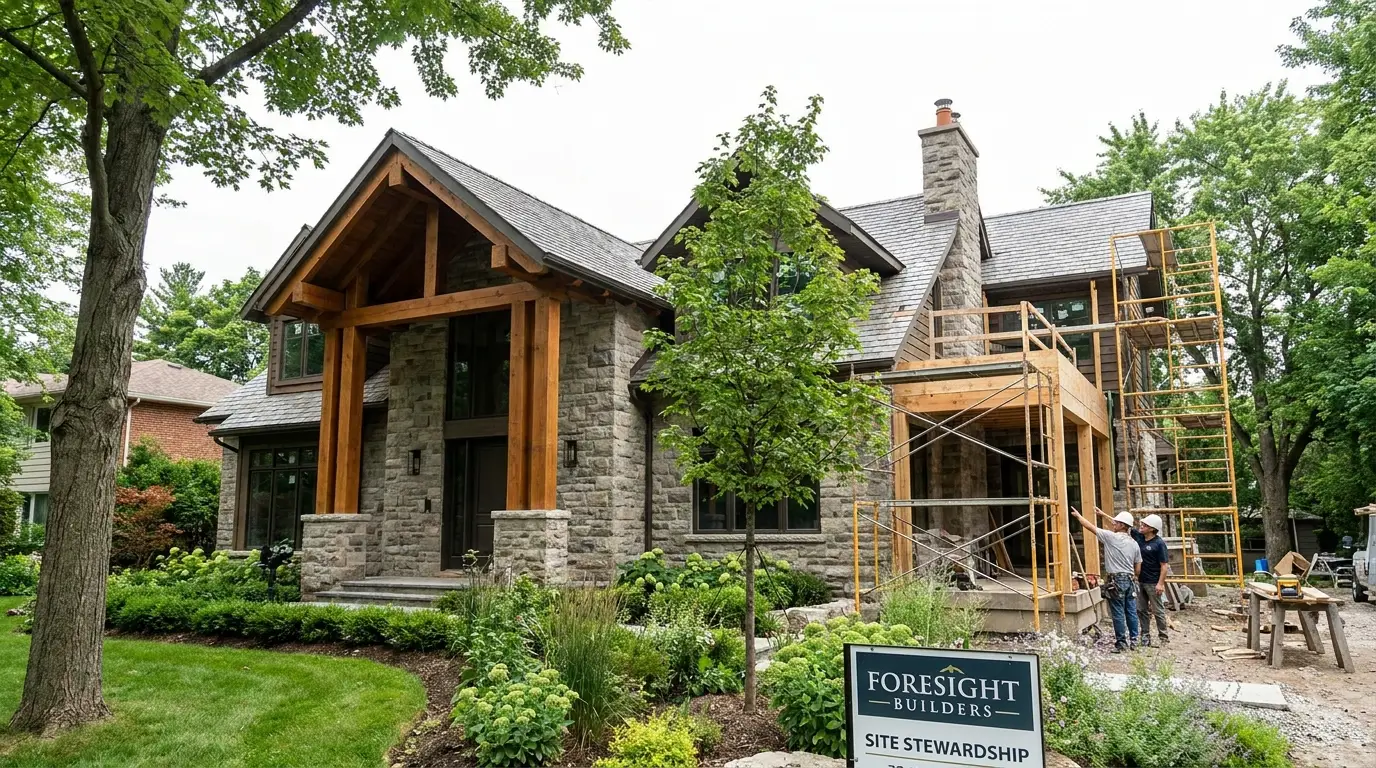
Technical Foundations of Proper Property Stewardship in Residential Construction
At the core of effective stewardship lies a deep understanding of construction materials and systems, tailored for Ontario’s unique climate challenges. Professional builders meticulously select durable components that can withstand Toronto-area humidity, temperature swings, and freeze-thaw cycles, safeguarding foundational elements from premature degradation.
For instance, subfloor materials are carefully considered to avoid warping and moisture intrusion. In many GTA homes, improper subfloor choice leads to costly repairs down the line. Instead, a professional builder opts for engineered wood products or moisture-resistant plywood that offer enhanced stability under seasonal stress.
Another technical pillar is the management of water infiltration. Poor site grading or inadequate drainage can undermine foundation integrity and create mold risks inside the building envelope. Advanced construction oversight includes engineered drainage systems that channel stormwater away from the foundation, using native landscaping buffers to reduce erosion. These drainage solutions are particularly vital in urban nodes like Richmond Hill where lot sizes leave little margin for natural runoff.
Thermal insulation strategies also play a critical role. Selecting materials with high R-values and ensuring proper installation without thermal bridging ensures energy efficiency and occupant comfort. These choices align with contemporary building codes and environmental stewardship guidelines, ultimately lowering utility consumption and reducing the carbon footprint of the home.
Finally, the use of quality exterior cladding resists weathering and physical damage. Materials like fibre cement siding provide a longer-lasting barrier against rain and wind compared to lower-cost vinyl alternatives, contributing to the home’s structural integrity and curb appeal over decades.
Professional Contractor’s Key Recommendations for Property Stewardship
- Comprehensive Site Assessment: Begin with an expert inspection of soil condition, existing vegetation, and drainage patterns to integrate stewardship into the construction and landscaping design phases.
- Durability-Driven Material Selection: Use materials engineered to resist the specific climatic stresses of the GTA, prioritizing subfloors, insulation, and exterior finishes proven to maintain performance over time.
- Integrated Water Management: Implement rainwater harvesting and stormwater management systems that reduce runoff and nourish the landscape, minimizing erosion and foundation risks.
- Native Plant Landscaping: Design yard and green spaces with indigenous plants that support local biodiversity and require minimal irrigation and fertilizer.
- Regular Maintenance Plans: Develop and follow structured, seasonal building and landscape upkeep protocols to identify and address potential issues before they escalate.
- Community Engagement: Encourage participation in local stewardship initiatives and maintenance planning to foster collective responsibility and shared benefits.
- Quality Over Cost Considerations: Prioritize investments in superior materials and craftsmanship to minimize long-term repair costs and enhance property value, as detailed in quality materials programs.
- Environmental Impact Monitoring: Track water use, native species health, and soil conditions regularly to adapt stewardship strategies proactively.
- Professional Diagnostics: Employ building science experts to conduct diagnostic visits assessing structural integrity, insulation, and moisture barriers. Such visits are credited toward repair projects to encourage thorough evaluation.
- Transparency and Accountability: Maintain clear documentation of all stewardship activities and decisions to inform future management and reinforce property management standards.
Contractor Pro-Tip: During inspection visits, use infrared thermal imaging to detect hidden moisture intrusion or insulation gaps behind walls and beneath floors. This high-tech approach uncovers risks invisible to the naked eye, ensuring early intervention strategies that save significant repair costs and preserve structural integrity.
How CNG Contracting Delivers Professional Stewardship Solutions for GTA Properties
CNG Contracting’s approach harmonizes construction oversight with strategic property preservation to ensure every project advances long-term durability and community value. Recognizing the complexity of the GTA’s residential market, CNG applies a rigorous diagnostic process on each engagement.
Our Professional Diagnostic Visit includes a comprehensive examination of structural systems, material conditions, and site ecology. Notably, the fee for this visit is fully credited towards any subsequent repair or improvement project, aligning incentives and acknowledging the value of expert evaluation.
The diagnostic findings inform a tailored stewardship plan, incorporating building maintenance schedules, water management systems, and asset protection features optimized for urban or suburban settings such as Mississauga or Vaughan. Our experience shows that early detection and intervention significantly reduce the total cost of ownership over time and improve neighborhood livability.
Furthermore, CNG integrates client education with hands-on stewardship training, empowering homeowners to participate actively in maintaining their properties. This engagement builds a sustainable management culture, ensuring that stewardship outcomes endure beyond initial construction or repair work.
Explore additional insights on how to enhance your property’s lifecycle with specialized high-end material costs and value analysis, reflecting the balance between upfront investment and long-term returns.
Technical Comparison of Property Stewardship Strategies and Outcomes in the GTA
| Situation / Strategy | Risk Level | Proactive Benefit |
|---|---|---|
| Ignoring water drainage in site planning | High – leads to foundation damage and poor vegetation health | Retrofitting drainage is costly; early integration prevents long-term structural issues |
| Using generic landscaping without native plants | Medium – higher water use, pest vulnerability, and ecological imbalance | Native plants create resilient ecosystems and reduce maintenance demands |
| Employing a master developer for large-scale projects | Low – consistent quality and long-term stewardship planning | Higher property values and community satisfaction through coordinated design |
| Deferring regular maintenance of critical systems | High – accelerated material deterioration and emergency repairs | Scheduled upkeep extends asset life and lowers unexpected costs |
| Professional Diagnostic Visits credited toward projects | Low – thorough issue discovery and strategic repair planning | Optimizes project scope and prevents costly miscues |
Take Command of Your Property Stewardship Like a Professional Builder
For homeowners in Toronto, Vaughan, Mississauga, and the surrounding areas, advancing property stewardship means embracing an informed, proactive approach to facility management and real estate management. Contacting experts familiar with local challenges and materials is a vital first step.
CNG Contracting invites property owners to schedule a Professional Diagnostic Visit, a comprehensive onsite review designed to identify key maintenance and repair priorities for lasting value. With this initial fee fully credited toward your project, the visit offers technical clarity and a path to enhanced property longevity.
To begin the journey toward safeguarding your property’s future, call (647) 669-7346 or visit the Contact Us page. Empower your stewardship today, and ensure your home not only stands the test of time but enriches your community for years to come.
Essential Property Stewardship Terms Every Homeowner Should Know
- Subfloor: The structural layer beneath the finished floor surface that provides support and stability; crucial for moisture resistance and durability in Ontario’s climate.
- Master Developer: A person or company responsible for overseeing the comprehensive planning and phased execution of large-scale residential developments to ensure design consistency and community cohesiveness.
- Thermal Bridging: Unintended heat flow through building components which reduces insulation efficiency and increases heating/cooling costs; avoided by proper material selection and installation.
- Stewardship Body: An organization or management company tasked with the ongoing maintenance and governance of community assets and public spaces within a residential development.
- Rainwater Harvesting: The collection and reuse of precipitation from rooftops for irrigation and other non-potable uses that reduces demand on municipal water supplies.
What makes stewardship different from regular property maintenance?
Stewardship encompasses long-term planning, material selection, and community engagement beyond routine maintenance, aiming for sustainable property preservation and asset protection.
Why is a Professional Diagnostic Visit important in property stewardship?
It offers a technical evaluation by experts, uncovering hidden issues before they escalate and credits the visit fee towards the project, aligning assessment with practical solutions.
How does using native plants benefit property management?
Native plants reduce irrigation needs, support local ecology, minimize pest problems, and enhance the property’s sustainability, reducing overall maintenance demands.
What role does a master developer play in community stewardship?
A master developer ensures consistent quality, comprehensive planning, and long-term care strategies, which facilitate cohesive, sustainable communities and higher property values.
Can stewardship practices impact property resale value in the GTA?
Yes, professional stewardship enhances structural integrity and aesthetic quality, factors that increase buyer confidence and market value, particularly in competitive GTA neighborhoods.