
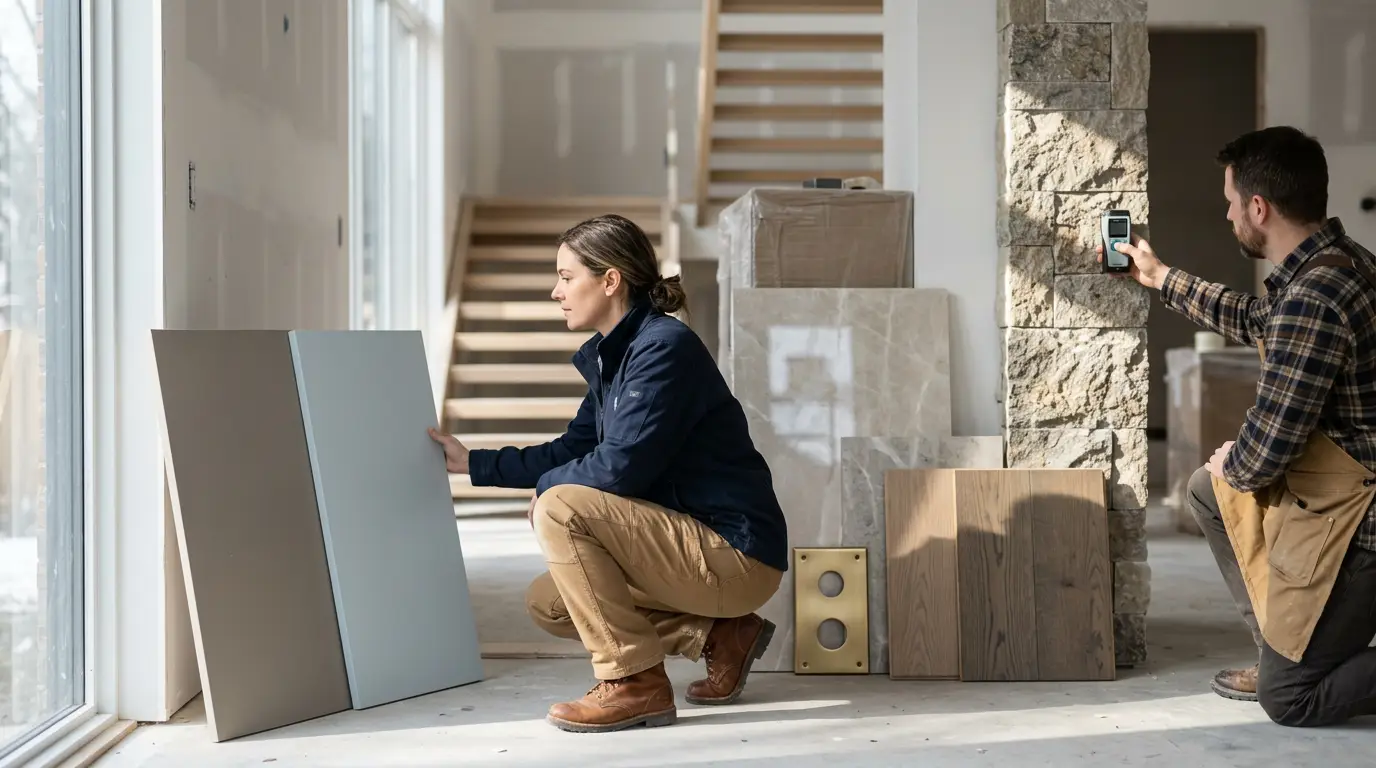
The interplay of color and lighting is far more than a cosmetic concern for home interiors; it fundamentally shapes how spaces feel and function. In the dynamic climatic conditions of the Greater Toronto Area, where light quality varies seasonally, understanding the science of color and light becomes essential for homeowners aiming to optimize their interior finishes effectively. Proper manipulation of lighting enhances material appearance, influences color perception, and ultimately impacts both visual comfort and long-term property value.
Natural light flows differently through a given space depending on orientation and obstacles, while artificial lighting offers controlled solutions that can adapt the ambiance regardless of time and weather. Interior finishes, from paint to textiles, interact with these lighting conditions, which either magnify or diminish their impact. A sophisticated grasp of lighting effects can prevent costly missteps during renovation or design, ensuring every surface highlights the right tone and texture for both aesthetics and durability. In hubs such as Toronto, Vaughan, and Mississauga, where home investments are substantial, leveraging light to its fullest is a strategic part of the master plan for enduring quality living environments.
The Science Behind Color Perception and Lighting Effects in Interiors
Color perception within interior spaces is a complex process influenced by multiple variables, chief among them being the source and quality of light. The human eye interprets colors based on the wavelengths of light reflected off surfaces. Natural light, comprised of a full spectrum, typically renders colors with truer fidelity, making it invaluable for durability assessments and color stability measurement. Yet, in typical GTA homes, limited daylight hours in winter and filtered sunlight through cityscapes necessitate innovative lighting strategies.
Artificial lighting types—incandescent, fluorescent, LED—each emit distinctive spectral qualities that alter how finishes are perceived. For example, incandescent bulbs tend to cast a warm yellow glow that enhances reds and oranges but can soften blues and greens. In contrast, LEDs, with adjustable light temperatures, can replicate daylight or produce cool, bluish light to make interiors feel more alert and spacious. A key aspect often overlooked in residential applications is how ambient lighting, as opposed to focused or accent lighting, establishes a baseline for color and texture perception.
On a microscopic scale, the surface texture of finishes affects light reflection and absorption, changing apparent color saturation and glossiness. Matte finishes mute light reflection, imposing a softer but sometimes duller visual impact, while glossier surfaces amplify brightness but demand more rigorous maintenance as wear and dust become more noticeable. The right fusion of lighting and finish must account for these factors to maintain the structural integrity and visual appeal of interior surfaces under varying illumination levels.
The seasonal shifts experienced in places like Brampton and Oakville add another layer of complexity. Bright summer sunlight can exacerbate glare and cause color fading over time, while the weak winter sun may leave spaces feeling cold or lifeless if improperly lit. Understanding the fluorescence of paint pigments or the UV resistance of textiles becomes a practical matter in selecting finishes that preserve color science principles under real-world lighting effects.
Professional Steps to Optimize Lighting and Color Interaction for Interior Finishes
- Analyze natural light entry:** Evaluate window placement and exposure in each room to maximize beneficial daylight, especially in Toronto’s varied seasonal sunlight scenarios.
- Select finish quality and type:** Choose materials with pigments and textures known for maintaining appearance under specific light temperatures common in the GTA.
- Layer lighting strategically:** Integrate ambient, task, and accent lighting to adapt the visual environment dynamically for varied daily activities.
- Use color temperature deliberately:** Match the light’s temperature to the intended function of each space, employing warm lighting in relaxation areas and cooler lighting where focus is required.
- Incorporate dimmers and controls:** This allows for adjusting ambient lighting intensity and helps align mood with natural circadian rhythms.
- Assess and select paint finishes:** Consider gloss level in relation to the room’s lighting conditions to balance between vibrancy and practicality.
- Perform onsite color and light tests:** Trial samples under various lighting conditions to ensure the real-world visual impact meets design goals before finalizing.
- Implement UV protective coatings:** Particularly in sun-exposed rooms in Richmond Hill or Oakville, to reduce degradation and color fading over time.
- Maintain lighting fixtures:** Clean and calibrate lighting components regularly to preserve their intended color science performance.
- Consult with professionals:** Engage with contractors experienced in the GTA environment for tailored advice on combining lighting and finishes for durable, high-impact results.
Contractor Pro-Tip: When inspecting a property in the GTA for finish quality, always observe surfaces at different times of day. Morning and afternoon natural light will reveal imperfections and color shifts that are invisible under artificial lighting alone. This insight guides better material selection and installation timing, significantly enhancing long-term finish resilience.
How CNG Contracting Delivers Superior Lighting and Finish Solutions
CNG Contracting in the Greater Toronto Area understands the integral role lighting plays in interior finish performance. Our approach begins with a comprehensive professional diagnostic visit, assessing your home’s natural and artificial lighting environments alongside existing material conditions. This precise evaluation forms the foundation of a master plan designed to maximize visual impact, longevity, and structural integrity of your finishes, tailored to local climate nuances across Toronto, Vaughan, and Mississauga.
Our skilled teams prioritize lasting materials in every project, informed by detailed knowledge of Ontario’s seasonal light variations and humidity patterns that influence material appearance and color durability. By utilizing advanced lighting design principles—balancing ambient lighting types and fine-tuning light temperature—we address not just aesthetics but also practical factors like cleaning and upkeep that impact real-life usage.
Booking a professional diagnostic visit with CNG Contracting grants a credited assessment that integrates with your final project, ensuring no additional cost burden for this essential step while delivering peace of mind. This strategic approach is critical for homeowners in the GTA who want to avoid common pitfalls such as premature fading or at-home color disappointment post-installation.
Partner with us to leverage the full science of color and lighting for transformative, high-value interior upgrades that stand the test of time.
Comparing Lighting and Color Strategies: Risk and Benefit Analysis for GTA Interiors
| Situation/Strategy | Risk Level | Proactive Benefit |
|---|---|---|
| Relying solely on natural light with minimal window treatment | Moderate – potential glare and heat gain issues in summer | Maximized color vibrancy and mood enhancement during daylight hours |
| Using only cool white LEDs throughout all rooms | High – can cause eyestrain and unfriendly ambiance in living spaces | Enhanced alertness for work areas with improved color accuracy |
| Employing mixed ambient and task lighting with dimmers | Low – requires higher upfront planning | Versatile ambiance suited for multiple functions, improving comfort and productivity |
| Glossy finish with harsh, direct lighting | High – emphasizes imperfections and increases maintenance | Striking visual impact when carefully managed |
| Matte finishes paired with warm ambient lighting | Low – promotes softness but can dull color intensity | Creates calming, inviting spaces well-suited for relaxation zones |
Empowering Homeowners in Toronto and Surrounding Cities to Elevate Interior Finishes
Color and lighting choices do more than define style—they influence your home’s practical function and future market value. For homeowners in Toronto, Vaughan, Brampton, and other GTA communities, investing in scientifically informed color science and lighting design elevates interior finishes beyond surface aesthetics, ensuring long-lasting beauty and comfort.
To fully harness the benefits of this approach, consider scheduling a professional diagnostic visit with experienced contractors who understand the unique demands of the Ontario climate and urban conditions. Such a service guides appropriate selection of finishes and lighting setups, tailored exactly to your property’s architecture and lifestyle needs.
Contact CNG Contracting today at (647) 669-7346 or visit our Contact Us page to commence your journey towards interiors that perform as well as they please the eye. Become part of the many GTA homeowners reaping the tangible rewards of deliberate lighting and color integration.
Essential Glossary of Terms for Interior Finish and Lighting Science
- Color Temperature: Measurement in Kelvin (K) describing the warmth or coolness of light, critical for matching lighting to room function.
- Ambient Lighting: The general, overall illumination in a room that sets the base level of light for color perception and material appearance.
- Color Perception: How colors are interpreted by the human eye, heavily influenced by light wavelength and intensity.
- Gloss Level: The finish attribute describing surface reflectivity, ranging from matte (low reflectivity) to gloss (high reflectivity), affecting how color and texture are viewed.
- Biophilic Design: An architectural approach connecting interiors with natural elements such as light and plant life, promoting wellbeing and productivity.
How does lighting affect the perception of interior finishes?
Lighting alters how colors and textures are seen by influencing the wavelengths of light reflected from surfaces, thereby changing the apparent vibrancy and warmth of finishes.
What role does natural light play in Toronto homes?
Natural light enhances color accuracy and mood but requires careful consideration in window placement and treatment due to seasonal variation and urban shading.
Why is color temperature important in interior lighting?
Color temperature impacts emotional response and task performance, with warm light promoting relaxation and cool light improving focus, guiding functional lighting design.
How can layering different lighting types improve interior spaces?
Combining ambient, task, and accent lighting creates adaptable, functional environments that respond to various activities and change throughout the day.
What maintenance considerations exist for interior finishes under varying lighting?
Certain finishes like glossy surfaces reveal dust and wear more easily, requiring thoughtful lighting choices and routine upkeep to preserve their aesthetic appeal.
Understanding the nuances of color science and how lighting effects bring out the best in your interior finishes ensures your investment in materials does not go to waste within the fluctuating light conditions of the GTA.
By mastering color perception influenced by both natural light and artificial lighting, homeowners in places like Brampton and Mississauga can better plan for the lasting appeal and functional benefits of their interior spaces.
For further insights on material longevity in Ontario homes, refer to our detailed guidelines on lasting materials tips, which complement the knowledge presented here by emphasizing durability under various environmental stresses.