
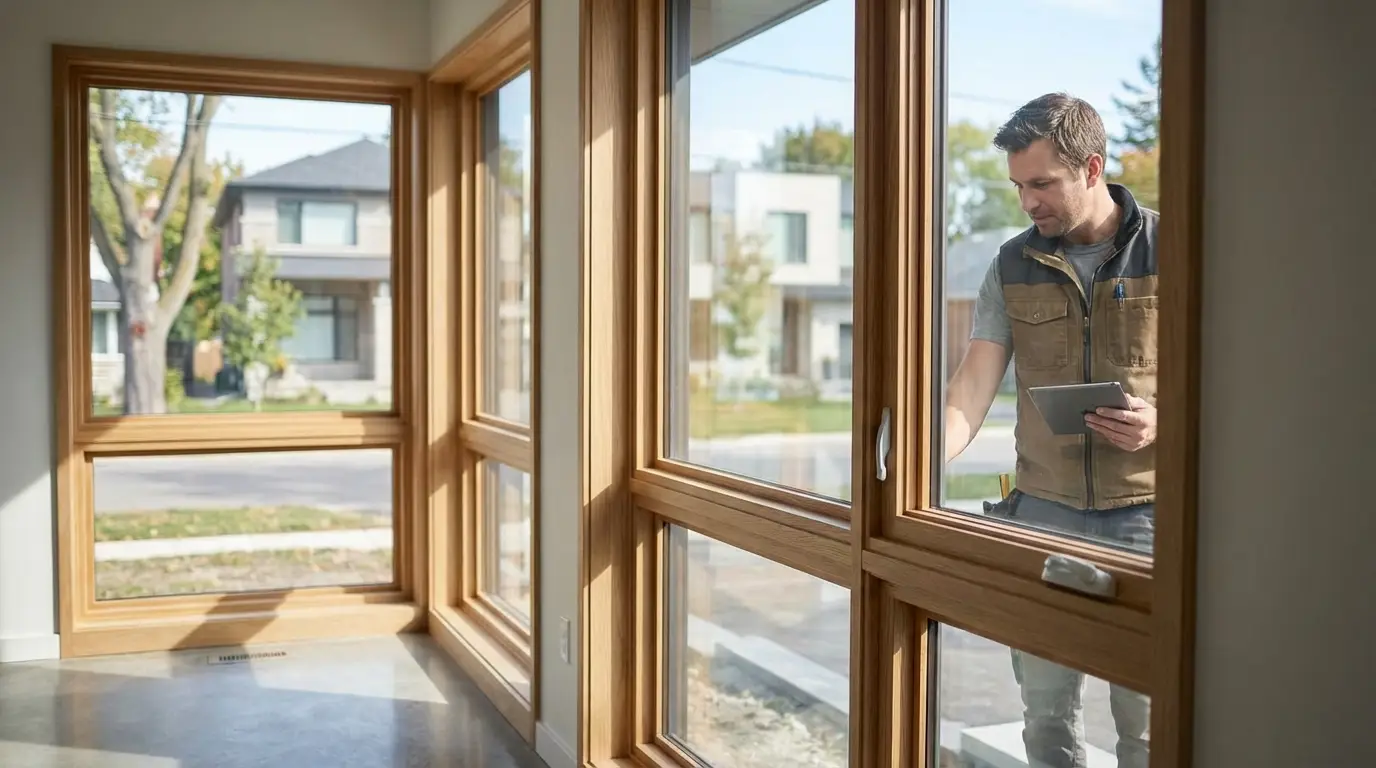
Ontario homeowners know all too well the relentless chill of winter that seeps into every corner of their homes. Energy-efficient windows are a critical element in managing these brutal conditions, yet many underestimate their impact on heating efficiency and overall comfort. With temperatures frequently plunging below -20°C across Toronto, Vaughan, and Mississauga, understanding the true performance of window systems designed for cold climates is essential for long-lasting comfort and sustainable energy savings. This article reveals key insights into how these systems work behind the scenes and why upgrading windows is a strategic investment rather than a simple aesthetic upgrade.
Energy-efficient window systems are more than just panes of glass; they are engineered barriers against heat loss that affect the entire thermal performance of a home. Recognizing the science and practical realities behind these systems equips homeowners in the Greater Toronto Area to make informed decisions that protect their property’s value and reduce the strain on their heating systems during long Ontario winters. Upgrading windows is not simply about reducing drafts—it is about ensuring your home’s structural integrity and optimizing insulation to withstand severe seasonal fluctuations.
The Science of Heat Loss and Energy Efficiency in Ontario Window Systems
Understanding how heat escapes through windows requires a detailed look behind the walls of typical Ontario homes. Most heat loss through windows occurs via conduction, convection, and radiation—three fundamental thermal transfer processes.
Conduction happens when heat moves directly through a solid material such as glass or the window frame. Old single-pane windows or windows with metal frames conduct heat rapidly outside, significantly reducing indoor temperatures. The cold glass surface absorbs the home’s heat and transfers it to the frigid outdoor air, a vulnerability particularly noticeable when sitting close to older windows in January.
Convection is the movement of air caused when warm indoor air contacts cold window surfaces. This causes the air to cool and descend, generating a circulation pattern called a convection current. Even if windows appear sealed, this invisible draft can create discomfort behind the scenes, forcing furnaces to work harder.
Radiation involves the transfer of heat through infrared waves emitted from warm objects inside the home. Traditional clear glass allows substantial heat radiation to escape. In contrast, energy-efficient windows incorporate Low-Emissivity (Low-E) coatings—thin metallic layers that reflect infrared radiation back inside, preserving heat and enhancing comfort.
The Greater Toronto Area presents unique challenges for window systems due to fluctuating temperature extremes, high humidity during transitional seasons, and frequent freeze-thaw cycles. In locations such as Richmond Hill and Oakville, the stress on window seals, glass, and frames increases, demanding advanced materials and installation techniques to maintain airtightness and thermal integrity over time.
Key Contractor Recommendations for Optimal Window Efficiency in Cold Climates
- Choose Triple-Pane Glass for Maximum Insulation: In Ontario winters, triple-pane windows create double gas chambers filled with argon or krypton gas to reduce conduction dramatically versus single or double-pane alternatives.
- Insist on Low-E Coatings: Look for windows with advanced Low-Emissivity coatings that reflect thermal radiation back indoors, maintaining consistent temperatures.
- Use Warm-Edge Spacers: Avoid traditional aluminum spacers, as these conduct heat quickly. Modern warm-edge spacers composed of composite or foam materials decrease edge condensation and heat loss.
- Specify High-Performance Frames: Vinyl and fiberglass frames outperform wood or aluminum in insulating properties and long-term durability within Toronto’s humid and freezing conditions.
- Confirm Professional Installation: Even the most efficient windows underperform if air gaps or poor sealing exist. Certified installers using high-expanding foam create airtight seals critical to thermal performance.
- Focus on Air Leakage Prevention: Weatherstripping and caulking must be meticulously inspected and replaced where compromised to prevent drafts.
- Optimize Window Orientation and Style: Choose window styles like casement or awning that press tightly against the frame, ensuring better seals than sliding designs in draft prevention.
- Balance Energy Ratings for Local Climate: Select windows with a low U-Factor for heat retention and a good Energy Rating to maximize passive solar gain during cold months in Ontario.
- Address Condensation Control: Condensation can degrade window seals and adjacent insulation; proper ventilation and thermal breaks limit moisture buildup.
- Plan for Long-Term Maintenance: Durable materials that resist warping or corrosion reduce the need for frequent repairs, critical for long-term value in Mississauga or Brampton homes.
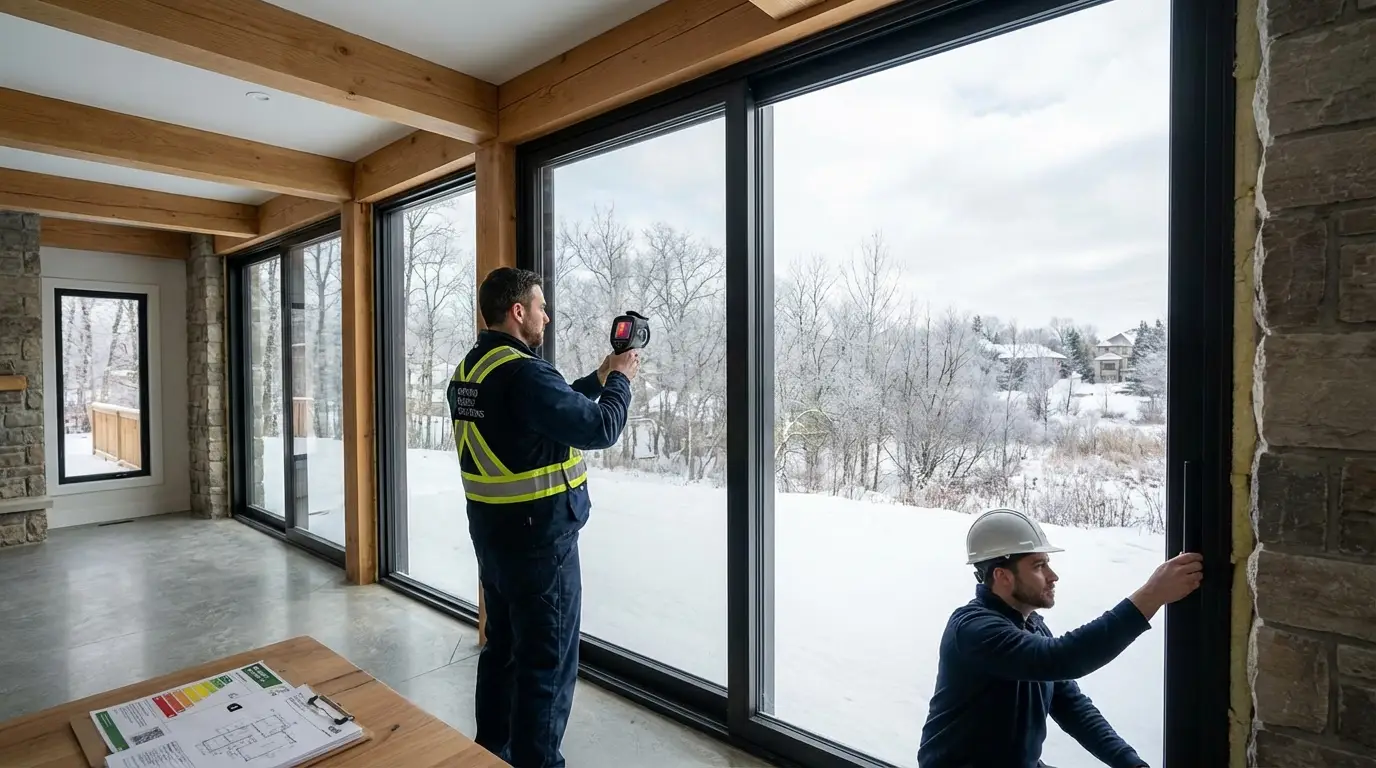
Investing in energy-efficient windows requires holistic evaluation. A subtle imperfection in sealing or improper spacer choice can reduce thermal performance significantly. Contractors experienced with Ontario’s harsh winter cycles recommend onsite thermal imaging inspections post-installation to verify airtightness and identify weak points invisible to the naked eye.
How CNG Contracting Delivers Customized Energy-Efficient Window Solutions for GTA Homes
CNG Contracting approaches window upgrades with precision grounded in local climate expertise. Understanding that every home’s exposure and construction details differ, we perform a Professional Diagnostic Visit, analyzing orientation, existing insulation, and window condition. This visit provides detailed insights tailored to each property in Toronto, Vaughan, or Richmond Hill.
Our teams prioritize high-performance window systems meeting or exceeding ENERGY STAR Canada standards, selecting triple-pane glass packages with Low-E coatings and warm-edge spacers optimized for your home’s thermal needs. Beyond supply, our certified installers ensure every window is installed with meticulous attention to airtight sealing and proper insulation with expanding foam and professional weatherproofing membranes.
By booking a Diagnostic Visit, homeowners invest in a thorough assessment credited fully toward any future retrofit or replacement project. This ensures transparency, professional recommendations, and precise cost evaluation, empowering you to make an informed decision about sustainable building upgrades that increase heat retention and energy savings throughout Ontario winters.
For tailored advice and proven installation quality, explore the window solutions designed to boost efficiency and comfort in your Toronto area home.
Comparing Window Upgrade Scenarios: Risks and Benefits for Ontario Homeowners
| Situation/Strategy | Risk Level | Proactive Benefit |
|---|---|---|
| Retaining Single-Pane Windows | High – Excessive heat loss, draft discomfort | None – Energy inefficiency persists, higher furnace load |
| Replacing with Standard Double-Pane Units | Moderate – Improved but limited insulation | Reduced drafts, moderate energy savings |
| Upgrading to Triple-Pane Windows with Low-E Coatings | Low – High upfront investment, but long-term payback | Maximized heat retention, superior draft prevention, increased home value |
| Poor Installation of High-Quality Windows | High – Air leakage and thermal bridging negate benefits | Structural issues, poor indoor comfort, costly repairs later |
| Professional Installation with Proper Sealing and Insulation | Minimal – Trusted contractor workmanship | Optimized thermal performance, longevity, and energy savings |
Take Control of Your Home’s Comfort and Energy Efficiency Today
Ontario winters demand that homeowners prioritize energy efficiency in every building component, especially windows. Upgrading to energy-efficient window systems designed specifically for the GTA’s climate can greatly reduce heating loads, prevent drafts, and maintain indoor comfort. Whether you reside in Oakville, Brampton, or Toronto, investing in the right window package and professional installation can extend the life of your heating system while adding measurable property value.
To evaluate your home’s needs, schedule a Professional Diagnostic Visit with our expert team. This visit includes a comprehensive on-site assessment, testing, and recommendations. As part of our commitment to transparent service, the fee is credited entirely toward your final project if you proceed—turning your evaluation into an investment rather than an expense.
Call now at (647) 669-7346 or visit our Contact Us page to book your diagnostic and start your home’s journey toward sustainable energy savings and enhanced comfort.
Essential Technical Terminology for Energy-Efficient Window Systems
- U-Factor: A measurement of a window’s ability to resist heat flow; the lower the value, the better the insulation.
- Low-Emissivity (Low-E) Coating: A thin metallic layer on glass that reflects infrared heat back inside while allowing visible light to pass through.
- Warm-Edge Spacer: A non-metallic spacer separating panes of glass that reduces heat conduction and limits edge condensation.
- Argon Gas Fill: An inert gas placed between glass panes to inhibit heat transfer via conduction.
- Convection Current: The circular movement of air caused by warm air cooling near window surfaces, creating drafts even when sealed.
How much heat can I realistically save by upgrading my windows in Ontario?
Energy-efficient windows can reduce heating costs by 12% to 25% depending on your current window efficiency, home construction, and heating fuel type.
Why are triple-pane windows better than double-pane in Ontario winters?
Triple-pane windows include an additional insulated glass layer and gas chamber, offering significantly improved insulation and reducing heat loss and drafts during extreme cold.
Can poor installation ruin high-quality energy-efficient windows?
Yes, improper sealing or insulation around window frames can cause drafts and heat loss despite using premium materials, highlighting the importance of professional installation.
Are Low-E coatings effective year-round?
Yes, Low-E coatings not only trap heat during winter but also reflect solar heat escape in summer, aiding year-round thermal comfort and energy savings.
What maintenance do energy-efficient windows require in the GTA climate?
Maintenance includes regular seal inspections, weatherstripping replacement as needed, and cleaning to prevent frame and glass damage, ensuring long-term performance.