
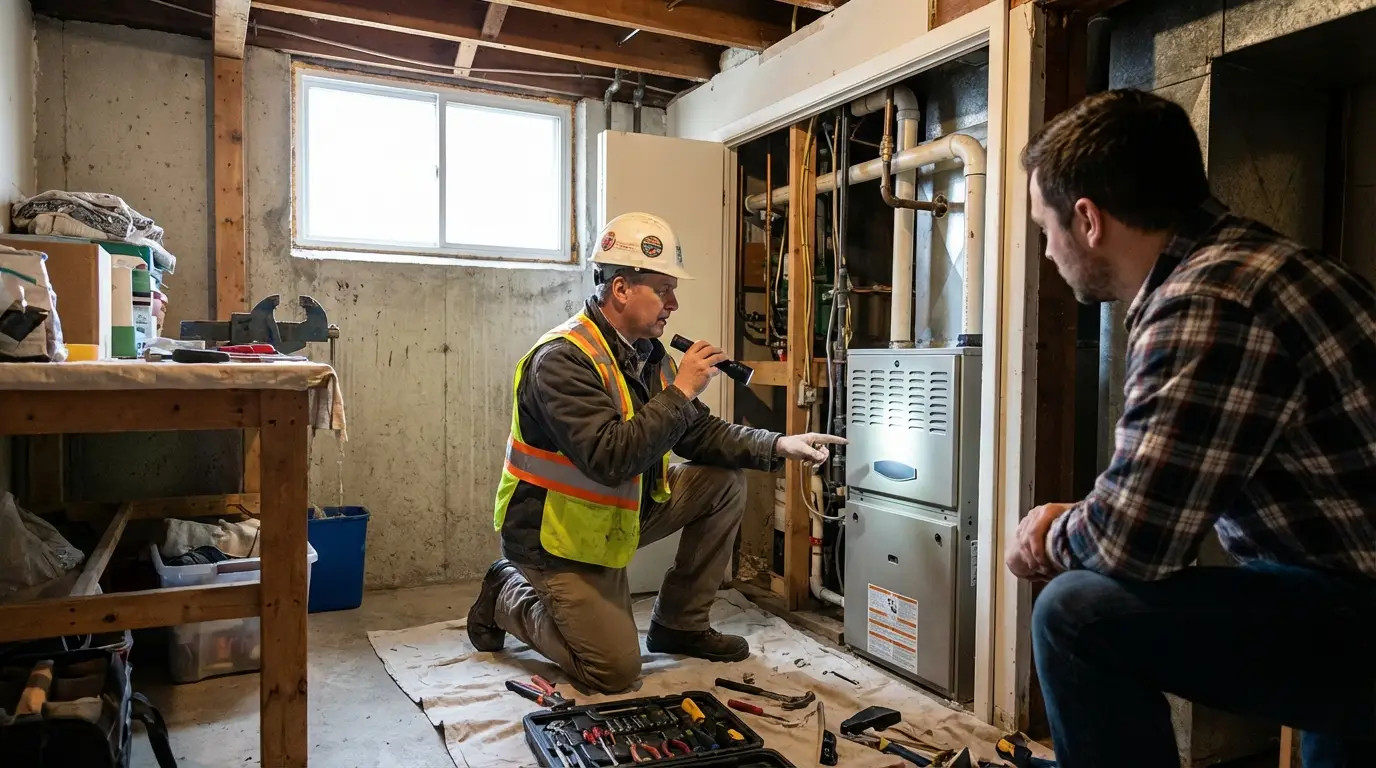
Maintaining the mechanical health of residential properties in the Greater Toronto Area is far more than routine upkeep; it is an essential strategy to protect long-term investment value. The cold winters and humid summers in cities like Toronto, Vaughan, and Mississauga impose unique stresses on HVAC, plumbing, and electrical systems, making vigilance around home maintenance absolutely critical. Mechanical failures not only disrupt daily life but can accelerate degradation in other structural components if left unaddressed. Therefore, adopting a proactive, contractor-informed approach to system inspection and preventive maintenance builds resilience against unexpected repairs and improves energy efficiency, ultimately preserving a home’s operational integrity over decades.
Homeowners in Richmond Hill, Brampton, and Oakville face similar climatic challenges demanding bespoke maintenance schedules tailored to seasonal changes and system complexities. Mechanical health influences everything from indoor air quality to water flow consistency and electrical safety parameters. As technology and building codes evolve, staying ahead with technically sound interventions secures both safety and compliance. This article unfolds a detailed blueprint of 10 professional recommendations aimed at maintaining the critical mechanical infrastructures underpinning your residential property, ensuring durability and operational excellence.
Understanding the Critical Role of Mechanical Systems in GTA Homes
The mechanical systems of a home—typically comprising HVAC (heating, ventilation, and air conditioning), plumbing, electrical wiring, and various appliances—form the backbone of everyday comfort and functionality. In regions like Toronto, where temperature fluctuations can be extreme, these systems endure significant operational demands.
Critical systems operate behind walls, under floors, and within attics, remaining largely invisible until malfunction occurs. For instance, HVAC units must efficiently handle both heating and cooling through diverse seasons while preventing moisture-related damage. Plumbing systems, designed to deliver potable water and safely evacuate waste, must withstand freezing temperatures and potential pipe corrosion endemic to older builds commonly seen in Vaughan and Richmond Hill.
Electrical wiring and components are equally vital, maintaining safe and stable power delivery across a variety of household devices and systems. Aging infrastructure without proper upgrades risks overload and fire hazards—complications that can escalate rapidly in densely populated GTA neighborhoods.
Understanding these mechanical systems’ mechanics reveals why routine inspection and timely maintenance are indispensable. When homeowners grasp the “why” behind the components’ function and failure modes, they can make informed decisions that bolster system longevity, avoid costly emergency repairs, and optimize energy consumption.
Seasonal and Environment-Responsive Maintenance Strategies for Long-Term Mechanical Health
The Greater Toronto Area’s varied climate demands adaptive maintenance planning to shield mechanical home systems against environmental strain. For example, summers characterized by high humidity and heat waves place additional stress on air conditioning units. Without proper cleaning and refrigerant checks, efficiency plummets, increasing electric consumption and risking compressor failures. Spring maintenance should thus include HVAC filter replacements and condenser coil cleaning to prepare for peak cooling periods.
In contrast, the fall signals preparation for freezing conditions that can degrade plumbing infrastructure. Expert pipe insulation, winterizing outdoor faucets, and inspecting sump pumps prevent burst pipes and flooding events. Ontario’s winters challenge heating systems to perform optimally; a comprehensive system inspection before cold onset is vital to address issues like thermostat malfunctions or vent blockages that impair heat distribution.
Homeowners should integrate nuances of local environmental factors—like Toronto’s lake-effect snowfalls—into their service schedules. For instance, snow accumulation blocking external vents can impair furnace combustion and increase carbon monoxide risks, a consideration especially relevant for dense neighborhoods in Oakville and Mississauga.
Implementing these adaptive maintenance cycles requires granular knowledge of system components and their functional interdependencies, underscoring the value of professional-grade periodic assessments rather than DIY shortcuts. Leveraging seasonal maintenance packages that combine HVAC, plumbing, and electrical system checks translates into measurable risk reduction and system longevity.
Comprehensive Technical Inspection: The Backbone of Preventive Maintenance
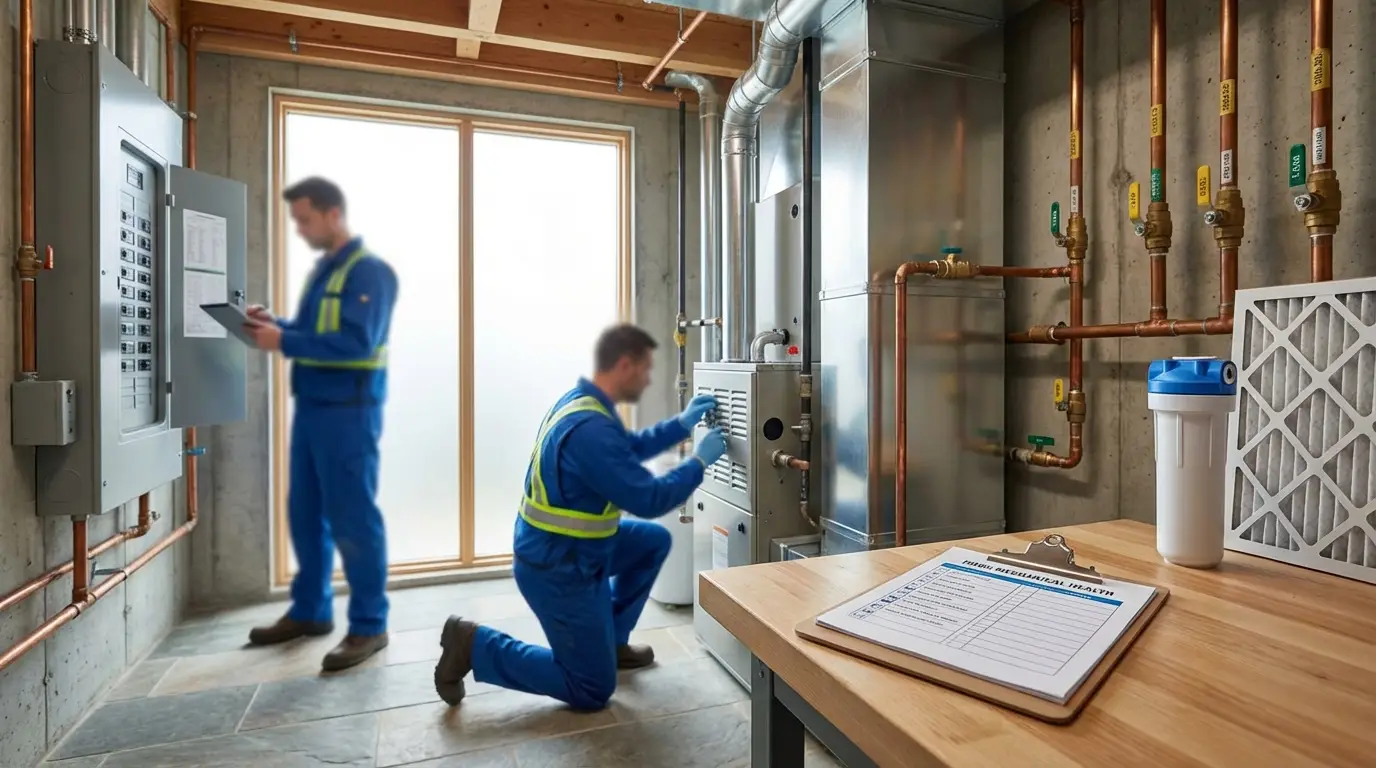
Behind every home’s mechanical system lies a hidden complexity of components whose performance degrades silently over time. Thermal imaging, moisture meters, and electrical circuit testing form part of a contractor’s arsenal to diagnose system health beyond visible signs. For instance, an HVAC blower motor may exhibit diminishing efficiency due to worn bearings, undetectable by a simple visual inspection but apparent through vibration analysis or amperage readings.
Plumbing leak detection via infrared technology or acoustic sensors reveals slow leaks damaging subflooring or interior walls long before water stains become visible. Electrical panels undergo thermal scanning to detect hotspots that signal overloaded circuits or loose connections, preventing fire hazards. Material durability is assessed with a view specific to local environmental exposure; copper piping in the GTA can withstand corrosion better than cheaper alternatives, an important factor when considering replacements in older homes in Vaughan or Brampton.
This level of detailed system inspection not only identifies immediate repair needs but highlights longer-term component wear allowing for proactive budgeting and project planning in line with home value preservation principles. The diagnostic visit serves as a foundational investment credited toward subsequent repairs or upgrades, fostering transparency and professional accountability.
10 Detailed Recommendations for Maintaining your Home’s Mechanical Health
- Schedule Regular HVAC Tune-Ups: Ensure professional inspections and cleaning at least twice a year coinciding with seasonal transitions to optimize system efficiency and reduce energy consumption.
- Replace HVAC Filters Quarterly: Changing filters every three months prevents dust and allergens buildup, preserving indoor air quality while easing system strain.
- Install Pipe Insulation: Protect exposed plumbing, especially in attics and basements, from freeze damage typical in Toronto winters, reducing burst risks.
- Inspect and Maintain Electrical Panels: Regularly check panel integrity, tighten connections, and update wiring to accommodate modern electrical loads safely.
- Maintain Sump Pumps and Drainage Systems: Clearing debris and testing pumps before spring thaw prevents basement flooding issues common in Richmond Hill and Mississauga.
- Schedule Annual Appliance Checkups: Professional service for water heaters, dishwashers, and other appliances extends operational life and identifies inefficiencies early.
- Control Humidity Levels: Employ dehumidifiers or ventilation upgrades to mitigate mold growth and prevent structural damage in high-humidity GTA areas.
- Use Durable Materials for Repairs: Opt for corrosion-resistant metals and treated wood considering local climate impacts, ensuring longevity of replacements.
- Keep Exterior Vents Clear: Regularly remove leaves, snow, or debris that block exhausts for HVAC and plumbing venting, reducing safety hazards.
- Engage in Professional Diagnostic Visits: Periodic expert assessments identify hidden issues early, saving extensive costs and safeguarding home value over time.
Pro-Tip: During cold months, check your furnace’s flue pipe for ice buildup or blockages. This inspection reduces the risk of dangerous carbon monoxide backdrafts, a commonly overlooked hazard in GTA homes.
The CNG Professional Approach to Mechanical Maintenance
CNG combines technical expertise with local climate knowledge to deliver comprehensive mechanical system care tailored to GTA homes. Our process begins with a Professional Diagnostic Visit that thoroughly assesses HVAC, plumbing, electrical systems, and appliance performance on-site. This inspection fee is fully credited toward any scheduled repairs or upgrades, emphasizing transparency and value for homeowners across Toronto, Vaughan, and surrounding areas.
Our technicians leverage advanced diagnostic tools and industry-leading practices to craft tailored maintenance plans aligning with each home’s age, materials, and system specifications. Whether recommending pipe insulation installation, electrical panel upgrades, or multi-seasonal HVAC tune-ups, our focus remains on maximizing system durability and energy efficiency to stabilize costs in the long term.
Engaging with CNG secures access to seasonal protection packages such as the Fall Home Maintenance Package and the Winter Home Maintenance Package, designed to preempt climate-induced mechanical failures and sustain operational excellence year-round.
Technical Comparison of Mechanical System Maintenance Scenarios
| Situation/Strategy | Risk Level | Proactive Benefit |
|---|---|---|
| Ignoring seasonal HVAC servicing | High | Increased breakdowns, higher energy bills |
| Annual plumbing winterization with pipe insulation | Low | Prevents freeze damage, saves repair costs |
| Electrical panel inspections every 5 years only | Medium | Delayed hazard detection, risk of outages |
| Professional diagnostic visits twice per year | Minimal | Early problem detection, budget planning |
| DIY appliance maintenance with periodic professional checkups | Medium | Moderate risk, occasional costly fixes |
Connecting Homeowners with Expert Mechanical Health Services
Maintaining optimal mechanical system function is a strategic investment that enhances comfort, safety, and home value in Toronto and throughout the GTA. Homeowners looking to secure their property’s operational integrity are encouraged to call (647) 669-7346 or visit the Contact Us page to book a Professional Diagnostic Visit. This approach ensures a tailored, expert-led roadmap to mechanical health, empowering proactive care rather than reactive repair. Benefiting from CNG’s extensive regional experience and industry standards, your home’s mechanical systems will remain efficient and reliable for years to come.
Essential Technical Glossary for Understanding Mechanical Systems
- HVAC (Heating, Ventilation, and Air Conditioning): Systems responsible for regulating indoor temperature, humidity, and air quality.
- Thermal Imaging: Diagnostic technology detecting heat signatures to find leaks and electrical hotspots inaccessible to visual inspection.
- Pipe Insulation: Material applied to plumbing pipes to reduce heat loss and prevent freezing in cold climates.
- Sump Pump: A pump installed in basements designed to remove accumulated water and prevent flooding.
- Electrical Panel: The main distribution board in a home that houses circuit breakers and controls electrical power to different areas.
How often should I schedule HVAC maintenance for my home?
Professional HVAC tune-ups are recommended at least twice a year—once before the winter heating season and once before the summer cooling season—to ensure optimal performance and energy efficiency.
What are signs of failing plumbing that homeowners should watch for?
Common signs include slow drains, unexplained damp spots on walls or floors, discolored water, and unusual noises in pipes. Early detection through inspections prevents costly water damage.
Why is professional electrical panel inspection important?
Electrical panels manage power distribution. Loose connections, outdated wiring, or corrosion can lead to severe safety risks, including electrical fires. Regular professional inspections mitigate these hazards.
Can appliance care impact overall mechanical health?
Yes, routine appliance maintenance extends equipment lifespan, prevents system overloads, and ensures that interconnected systems like HVAC or plumbing function smoothly.
What benefit does a professional diagnostic visit provide?
It offers an expert assessment of all critical mechanical systems. Early problem detection allows for planned maintenance, avoiding emergency repairs and reducing long-term costs.