
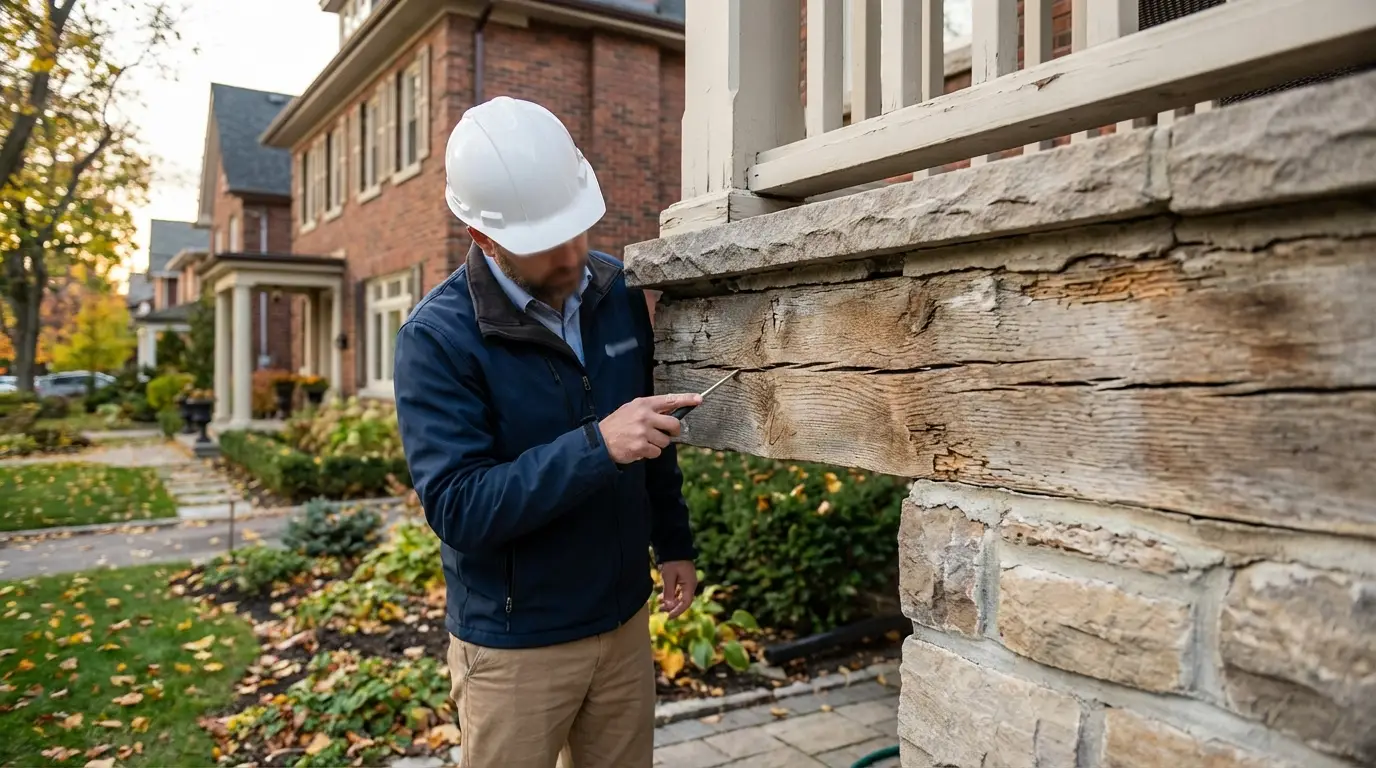
In the dynamic climate landscape of the Greater Toronto Area, recognizing early signs of home deterioration or outdated infrastructure can significantly impact a property’s long-term value and livability. Modernization isn’t a mere aesthetic upgrade; it’s a strategic investment that enhances structural integrity and operational efficiency while aligning with contemporary living standards. Addressing these needs promptly helps owners avoid costly repairs and ensures their homes remain resilient against Toronto’s distinctive seasonal challenges.
Toronto homes often endure harsh weather fluctuations, ranging from humid summers to freezing winters, accelerating wear and tear on key elements such as foundations, roofing systems, and insulation. Therefore, early detection of compromised building components or outdated systems can safeguard homeowners from unforeseen failures that disrupt daily life and depreciate property value. Understanding when a house is “screaming” for modernization requires a keen eye for identifying subtle signs and knowledge of smart interventions tailored to the GTA’s environment.
Understanding the Technical Imperatives Behind Toronto Home Modernization
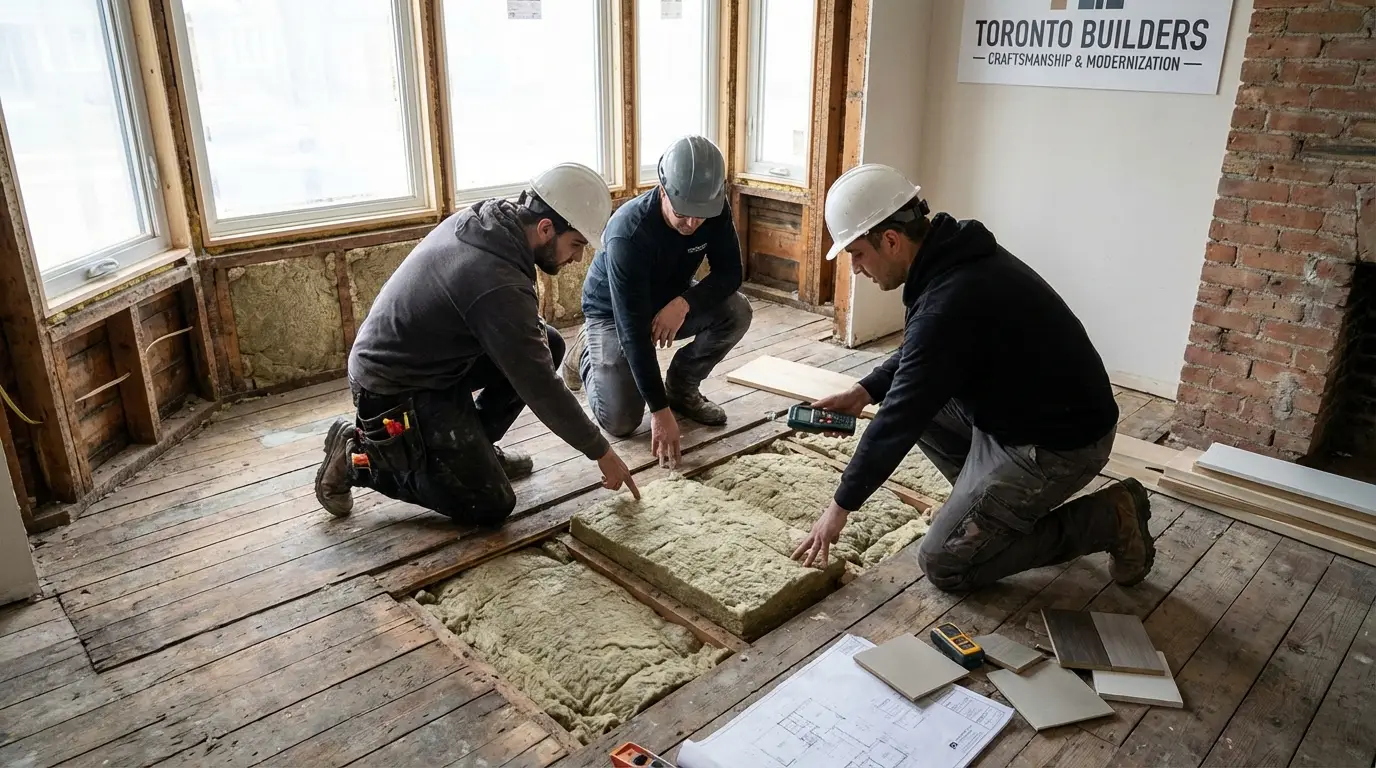
Behind every outdated fixture or worn exterior lies a series of technical challenges unique to older Toronto properties. Many homes built in previous decades utilized materials and construction methods that do not meet current performance expectations or building standards. For instance, suboptimal insulation installation or aging wooden subfloors can lead to moisture entrapment, encouraging mold growth and structural decay. The effects are often hidden beneath surface finishes, requiring advanced diagnostics to uncover pervasive issues.
Modernizing a home involves not just sleek design upgrades but correcting these latent technical inefficiencies. From replacing worn framing lumber prone to rot due to Ontario’s humidity swings, to upgrading HVAC systems that are no longer energy-efficient, each intervention contributes to a more reliable and sustainable dwelling. This is particularly critical in regions such as Vaughan and Richmond Hill where higher home values demand maintaining optimal performance and curb appeal.
Electrical systems originally installed before the proliferation of modern appliances often fail to handle contemporary power loads safely, posing risks that must be remediated during renovation. Similarly, older plumbing materials like galvanized steel or polybutylene pipes are prone to corrosion and leaks, threatening both structural components and hygiene. Incorporating modern compliant materials reduces these risks and enhances home safety for families across Mississauga and Brampton.
Critical Steps for Early Home Modernization Detection in the GTA
- Conduct Comprehensive Diagnostic Visits: Utilize professional diagnostic techniques including moisture mapping, thermal imaging, and structural inspections to detect hidden decay or inefficiencies early.
- Evaluate Insulation and Air Sealing: Toronto’s seasonal variability makes insulation performance crucial; inspect attic, walls, and basements for thermal leaks and air infiltration.
- Assess Plumbing and Electrical Safety: Schedule expert reviews of pipes and wiring, focusing on outdated materials and system capacity for modern loads.
- Inspect Roofing and Exterior Cladding: Look for signs of wear such as cracked shingles, deteriorated flashing, or warped siding, common in local weather conditions.
- Review HVAC System Efficiency: Modern units designed for energy efficiency and durability reduce utility costs and extend service life in Toronto’s fluctuating climate.
- Analyze Foundation and Structural Stability: Monitor for settling, cracking, or moisture intrusion particularly in neighborhoods like Oakville and Brampton where soil conditions vary.
- Check for Historic Material Preservation Needs: Homes older than 30 years often require sensitive material upgrades to maintain original architectural integrity while improving performance.
- Prioritize Sustainable Material Use: Incorporate products resistant to rot, mold, and humidity-related expansion – key in Toronto’s environment to extend renovation success.
- Incorporate Modern Design with Practical Maintenance: Avoid trends that demand intensive upkeep; for example, select finishes and layouts that facilitate cleaning and durability.
- Document All Inspections for Future Planning: Detailed records allow homeowners to understand phased upgrade needs based on technical findings and budget readiness.
When inspecting older Toronto homes, always probe beneath surface finishes with thermal imaging to catch hidden moisture pockets before they compromise structural framing. This approach anticipates issues that simple visual checks often overlook, enabling timely, cost-effective modernization interventions.
How CNG Contracting Delivers Tailored Modernization Solutions for Toronto Homes
At CNG Contracting, addressing the unique challenges faced by homeowners across Toronto and neighboring cities such as Richmond Hill and Vaughan is our specialty. Our Professional Diagnostic Visit is a cornerstone of our approach, delivering a thorough onsite evaluation that pinpoints the technical and design imperatives of each home. This initial visit is not merely a consultation fee; rather, it is fully credited toward your ultimate project cost, underscoring our commitment to transparent value and client partnership.
Our team applies a master plan mindset to every modernization project, balancing immediate repairs with long-term property upgrades. From upgrading exterior cladding against Toronto’s humidity to installing energy-efficient heating systems capable of handling seasonal extremes, we ensure every aspect integrates both resilience and aesthetic refinement. For historic homes, especially, we provide careful modernization ensuring preservation without compromising modern performance standards (modernize historic Toronto).
Our comprehensive services also include remodeling efficiency and style upgrades that amplify living space usability while improving home value enhancement (remodel efficiency style). By combining technical excellence with an eye for design durability appropriate to local environmental conditions, we create homes built for the future, not just today.
Comparing Home Modernization Scenarios in the Greater Toronto Area
| Situation/Strategy | Risk Level | Proactive Benefit |
|---|---|---|
| Ignoring Aging Insulation in Oakville Homes | High – Energy loss, moisture build-up, mold | Enhanced thermal comfort and lower utility demand post-insulation upgrade |
| Upgrading Electrical Systems in Mississauga Properties | Medium – Fire hazard, appliance overload | Improved safety and capacity for modern appliances and technology |
| Delaying Plumbing Replacement in Richmond Hill Older Homes | High – Water damage, pipe burst, health risks | Long-term structural preservation and hygiene improvement with new piping |
| Ignoring Exterior Cladding Wear in Vaughan Residences | Medium – Structural damage and aesthetic decline | Improved curb appeal and weather resistance preserving home integrity |
| Implementing Energy-Efficient HVAC Systems in Brampton Houses | Low – Initial investment consideration | Significant cost savings and comfort improvement over home lifespan |
Implementing strategic home renovations that address technical deficiencies is an ideal way to upgrade property value and living conditions. These professional insights can help homeowners plan effective projects tailored to Toronto’s climate and real estate market.
Call to Action for Home Modernization Experts in Toronto
Homeowners in Toronto, Vaughan, and beyond seeking comprehensive, professional evaluation and renovation solutions for their aging properties are encouraged to take the first step by arranging a Diagnostic Visit. This expert assessment is a critical phase, fully credited toward your project to maximize value and ensure no detail is overlooked. Call (647) 669-7346 or visit the Contact Us page to secure your personalized consultation and safeguard your investment effectively.
Key Technical Terms Explained for Toronto Homeowners
- Thermal Imaging: A non-invasive diagnostic method utilizing infrared cameras to detect heat loss and moisture issues hidden in walls and ceilings.
- Subfloor: The structural layer beneath finished floors, often made of plywood or OSB, sensitive to moisture which can cause warping in humid climates.
- Air Sealing: The process of closing gaps around windows, doors, and framing members to prevent air leaks that reduce energy efficiency and comfort.
- Galvanized Steel Pipes: Older water supply pipes coated with zinc, prone to corrosion over time and likely candidates for replacement during modernization.
- Energy-Efficient HVAC: Heating, ventilation, and air conditioning systems designed to use less power while maintaining optimal indoor temperatures.
Applying knowledge-based renovation strategies ensures Toronto homes achieve a balance of modern design and functional longevity crucial to the region’s real estate improvement goals.
{“@context”:”https://schema.org”,”@type”:”FAQPage”,”mainEntity”:[{“@type”:”Question”,”name”:”How can I tell if my Toronto home needs modernization soon?”,”acceptedAnswer”:{“@type”:”Answer”,”text”:”Look for signs like uneven floors, drafts, outdated electrical panels, persistent moisture issues, and poor insulation performance. A professional Diagnostic Visit can provide a thorough assessment.”}},{“@type”:”Question”,”name”:”Is early detection of home problems cost-effective in the GTA?”,”acceptedAnswer”:{“@type”:”Answer”,”text”:”Yes, detecting issues early reduces the risk of extensive repairs and preserves home value, especially important given Torontou2019s climate challenges.”}},{“@type”:”Question”,”name”:”What are common modernization trends that suit Toronto homes?”,”acceptedAnswer”:{“@type”:”Answer”,”text”:”Energy efficiency improvements, advanced insulation techniques, and durable exterior materials tailored to resist humidity and temperature swings are key.”}},{“@type”:”Question”,”name”:”How does CNG Contracting support the modernization process?”,”acceptedAnswer”:{“@type”:”Answer”,”text”:”By offering detailed diagnostic services that inform precise renovation planning and by applying expert craftsmanship throughout the upgrade.”}},{“@type”:”Question”,”name”:”Can historic Toronto homes be modernized without losing character?”,”acceptedAnswer”:{“@type”:”Answer”,”text”:”Absolutely. Sensitive upgrades can preserve architectural heritage while incorporating modern systems and materials for better performance.”}}]}How can I tell if my Toronto home needs modernization soon?
Look for signs like uneven floors, drafts, outdated electrical panels, persistent moisture issues, and poor insulation performance. A professional Diagnostic Visit can provide a thorough assessment.
Is early detection of home problems cost-effective in the GTA?
Yes, detecting issues early reduces the risk of extensive repairs and preserves home value, especially important given Toronto’s climate challenges.
What are common modernization trends that suit Toronto homes?
Energy efficiency improvements, advanced insulation techniques, and durable exterior materials tailored to resist humidity and temperature swings are key.
How does CNG Contracting support the modernization process?
By offering detailed diagnostic services that inform precise renovation planning and by applying expert craftsmanship throughout the upgrade.
Can historic Toronto homes be modernized without losing character?
Absolutely. Sensitive upgrades can preserve architectural heritage while incorporating modern systems and materials for better performance.