
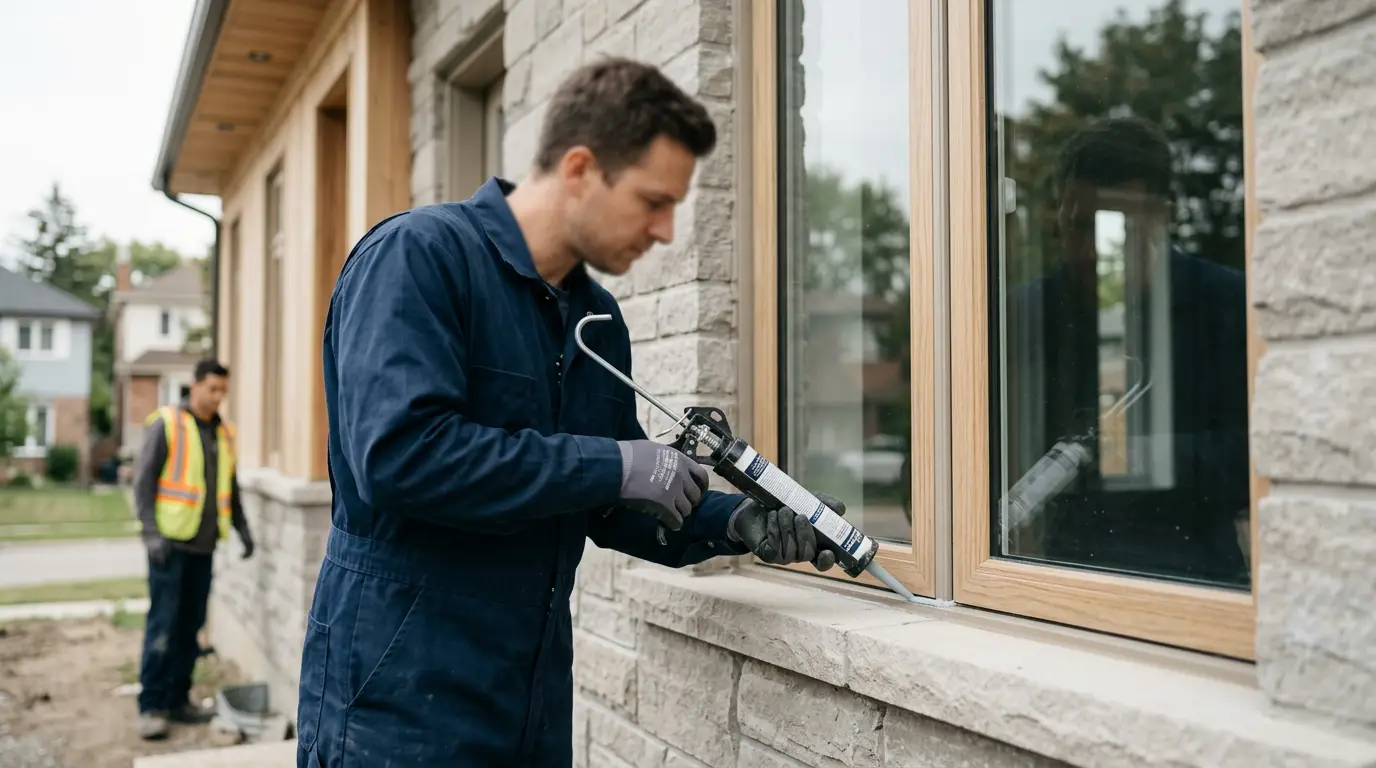
Extending the lifespan of your windows through professional sealing is a strategy often overlooked in many Greater Toronto Area homes. Given the region’s humid summers, harsh winters, and fluctuating seasonal temperatures, keeping window seals intact is a critical component in maintaining both comfort and energy efficiency. Professional sealing not only prevents drafts and moisture penetration but also protects window frames and panes from premature deterioration caused by weather extremes, solar pumping, and environmental wear. For homeowners in Toronto, Vaughan, Mississauga, Brampton, Oakville, or Richmond Hill, understanding this maintenance practice offers a compelling advantage for long-term property preservation.
The strength of a home’s windows lies beyond visible glass and frames. Sealing plays a crucial role in energy conservation efforts. Improper or degraded seals can significantly drive up heating and cooling demands in local climates, challenging HVAC performance and increasing homeowner frustration with inconsistent indoor temperatures. Looking beyond merely aesthetic or minor cosmetic upkeep, professional sealing ensures the structural integrity of windows against Toronto’s variable microclimates, ultimately delivering sustained value and enhanced living conditions. It’s a strategic investment in home improvement that resonates in comfort, energy savings, and durability.
Technical Reasons Behind Professional Window Sealing and Its Impact on Window Longevity
Windows endure constant stress from thermal cycles, moisture, and physical factors that compromise their seals. The term “solar pumping” describes the expansion and contraction phenomenon encountered by double or triple-pane windows, particularly those facing south and west in the GTA. As solar radiation heats the air space inside the window unit, the increased pressure forces gas and moisture out through the semi-permeable seal. Once temperatures drop, the window contracts, creating a vacuum that draws humidity and contaminants back inside.
This repetitive cycle fatigues the sealant materials, often made of silicone or polyurethane-based compounds, causing micro-fractures that escalate into complete seal failure. Professionals who specialize in window sealing understand the sealant’s role not just as an adhesive, but as a dynamic barrier against environmental intrusions. The silica desiccant packed inside the window spacers, designed to trap moisture, only offers limited protection before saturation. After its capacity is reached, the growing condensation clouds the glass and accelerates internal corrosion, mineral deposits, and loss of insulating properties.
Behind typical residential walls and under harsh conditions in Southern Ontario’s climate, the framing materials and sealants are subjected to repeated expansion and contraction. Professional sealing applied by experts involves selecting optimal sealants compatible with the frame material—wood, aluminum, or vinyl—and ensuring precise application to cover all surface transitions and joints. Proper sealant application creates an air-tight environment that stabilizes insulating gas retention and reduces infiltration, a vital factor for energy efficiency in Toronto and surrounding municipalities.
Additionally, environmental pollutants, ultraviolet light, and moisture-induced freeze-thaw cycles further degrade seals over time. Without professionally maintained seals, water can infiltrate and cause wooden frames to rot, metal to corrode, or vinyl to warp, all of which shorten window lifespan. Thus, professional sealing is less a repair than a critical predictive maintenance tactic that safeguards window integrity and performance for many years beyond manufacturers’ baseline warranties.
Key Expert Recommendations for Professional Sealing to Maximize Window Lifespan
- Regular Inspection and Early Problem Detection – Schedule at least annual checks for any air leaks, cracks in sealant, or condensation between panes. Early detection prevents further damage.
- Select Climate-Specific Sealants – Opt for high-performance silicone sealants in wet or humid zones like Toronto summers, and polyurethane compounds for areas exposed to pollens and pollutants.
- Thorough Surface Preparation – Before applying new sealant, remove all old weatherstripping and clean window surfaces meticulously to guarantee strong adhesion and avoid premature seal failure.
- Apply Sealant Consistently and Precisely – Use professional-grade caulking guns and techniques to ensure an even, unbroken bead of sealant around all edges, eliminating potential ingress points for drafts or moisture.
- Protect Sealants from UV and Physical Damage – Use window treatments, such as exterior shading or UV-blocking films, combined with durable sealant formulas designed to withstand Toronto’s intense sun exposure.
- Routine Maintenance of Window Hardware – Lubricate hinges and cranks with silicone-based lubricants to avoid misalignment that can compromise seals and reduce windows’ energy efficiency.
- Utilize Quality Weatherstripping Products – Supplement sealing with industry-leading products like exterior caulking and sealing services to further reduce drafts and retain insulation integrity.
- Replace Desiccant and Glass Units When Necessary – Professional sealing must be paired with timely glass replacement when condensation or seal failure occurs, as resealing without addressing these issues is ineffective.
- Invest in Professional Diagnostic Visits – Engage experts for detailed on-site assessments that can determine specific sealing needs and will credit the inspection fee towards subsequent repair or modernization efforts.
- Integrate Seal Maintenance into Annual Home Care Plans – Combine sealing upkeep with other scheduled services, such as seasonal home maintenance or insulation upgrades, to optimize overall energy efficiency and window durability.
Pro-Tip: For windows experiencing frequent seal degradation due to south-facing sun exposure, applying a UV-resistant, clear silicone sealant sealed with a reflective exterior shading system can double the expected lifespan of the seal.
The Strategic CNG Approach to Professional Window Sealing and Longevity Enhancement
CNG Contracting’s seasoned team applies a comprehensive assessment-based approach tailored to each window’s material, orientation, and local climate exposure in Toronto and nearby areas. Using rigorously tested sealant products and precision application machinery ensures that every joint, edge, and glass interface forms a fortified barrier against air and moisture ingress.
The Professional Diagnostic Visit carried out by CNG specialists includes a full inspection of both interior and exterior seal conditions, testing for air leakage, moisture intrusion, and frame integrity. This thorough exploration reveals potential weak points invisible to most homeowners but critical to long-term durability. Importantly, the diagnostic fee is credited toward any future repair or window modernization work, aligning homeowner investment with actionable results rather than upfront cost burdens.
Our approach emphasizes integration with broader home improvement strategies like optimized insulation and structural upgrades for modernized Toronto homes. Whether managing a mid-century property in Richmond Hill or a newly built residence in Mississauga, professional sealing at CNG forms a cornerstone of sustained indoor climate control, resilience against Ontario’s weather cycles, and maximizing property value.
Clients seeking to enhance their window life while advancing their home’s performance are invited to schedule an assessment through the official booking channels. Maintaining window seals with CNG’s expertise is synonymous with locking in comfort and cutting unnecessary HVAC strain through effective weatherproofing and professional maintenance.
Technical Comparison of Window Seal Conditions, Risks, and Benefits of Proactive Maintenance
| Situation / Strategy | Risk Level | Proactive Benefit |
|---|---|---|
| Unsealed or Damaged Window Seals | High – Leads to drafts, condensation, frame damage | Energy loss prevention and moisture control are compromised |
| DIY Sealant Application Without Professional Preparation | Medium – Potential for incomplete adhesion and early failure | Cost-saving short term but likely recurrent repairs and inefficiency |
| Annual Professional Inspection With Timely Repairs | Low – Early identification prevents major structural issues | Extends window lifespan by several years and keeps energy bills down |
| Application of High-Quality Weatherproofing Sealants | Low – Minimizes risk of environmental degradation | Improved insulation and draft prevention, enhanced curb appeal |
| No Maintenance; Seal Failure Ignored | Very High – Leads to costly window replacement and indoor discomfort | Significant reduction of insulation and structural integrity |
Professionals Urge Toronto Homeowners to Prioritize Window Seal Maintenance
Given the demanding climatic conditions experienced in the GTA, maintaining window seals is a non-negotiable aspect of responsible home ownership. Schedule your professional diagnostic visit today to secure long-lasting energy efficiency and guard your home against weather-related damage. Our experts are ready to provide you with tailored assessments ensuring that your investment in window sealing contributes directly to the durability and comfort of your property.
Call (647) 669-7346 or visit the Contact Us page to book your session with experienced professionals who understand the local nuances of window maintenance and durability.
Window Sealing and Related Terminology Glossary for Homeowners and Contractors
- Solar Pumping: The expansion and contraction cycle in insulated glass causing stress on window seals due to temperature fluctuations caused by sunlight exposure.
- Desiccant: A moisture-absorbing material within window spacers that helps prevent fogging inside sealed panes.
- U-Factor: Measurement of heat transfer through a window, where a lower value signifies better insulation.
- Weatherstripping: Material applied around window edges to block drafts, water, and insects.
- Professional Diagnostic Visit: A comprehensive on-site inspection carried out by experts to evaluate window seal integrity and recommend necessary repairs or upgrades.
How can I tell if my window seals need replacing?
Look for signs such as condensation between panes, difficulty opening or closing the windows, drafts, and increased energy bills. These symptoms often indicate seal failure.
Can I apply window sealant myself for long-lasting results?
While DIY sealing might address minor issues, professional sealing ensures thorough surface preparation, proper material selection, and consistent application essential for extended seal longevity.
What are the best sealants for Ontario’s climate?
Silicone-based sealants offer superior UV and moisture resistance for humid summers, while polyurethane compounds provide durability against temperature swings typical in Southern Ontario.
How frequently should window seals be inspected?
Annual inspections allow for early detection of seal deterioration, preventing costly damage and maintaining your home’s energy efficiency in GTA regions such as Toronto and Vaughan.
What happens if a broken seal goes unaddressed?
Ignoring seal failure allows moisture to seep in, causing glass fogging, frame damage, reduced insulation, and eventual costly window replacement in climates like Mississauga or Oakville.