
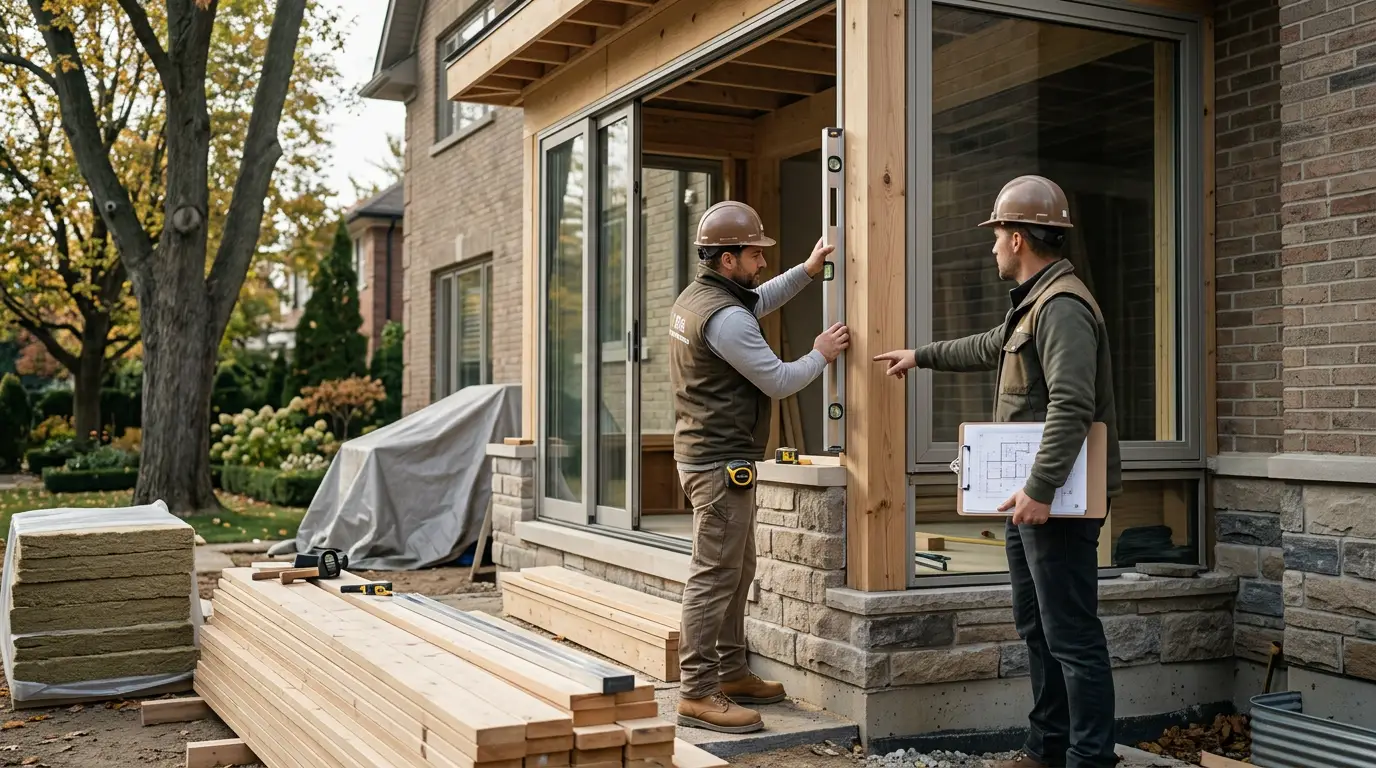
Embarking on a first home addition project in the Greater Toronto Area presents a unique set of challenges and opportunities that require strategic foresight and meticulous preparation. Homeowners in cities like Toronto, Vaughan, Mississauga, Brampton, Oakville, and Richmond Hill often seek to expand their living spaces to accommodate growing families, improve functionality, or increase property value. However, the complexity of such projects frequently leads to common planning mistakes, construction errors, budgeting pitfalls, and regulatory oversights.
Understanding these frequent missteps is essential for first-time builders striving to achieve a seamless integration between old and new structures. The region’s distinct climate, with its humid summers and cold winters, places additional demands on material selection and construction techniques. Moreover, local building codes and permit requirements add layers of compliance that can stall projects if ignored. A master plan approach, grounded in contractor-level know-how and realistic expectations, is crucial to avoid delays, unnecessary expenses, and design flaws that undermine the longevity and value of the addition.
Avoid These 5 Common Mistakes When Planning Your First Home Addition
Home additions can transform how space is used and enhance a property’s value, but the process requires more than just enthusiasm. Many homeowners encounter avoidable pitfalls during the planning and execution phases. Particularly within the GTA, balancing design aspirations with regulatory compliance, material durability, and budget control is paramount. Factors such as seasonal weather variations and neighbourhood guidelines significantly affect construction outcomes and long-term maintenance. Understanding these elements early on sets the foundation for a home addition that is both functional and cost-effective.
Why Proper Planning is Crucial for Home Addition Success in the GTA
Failing to plan comprehensively is the most common and costly mistake made by first-time builders undertaking a home addition. The intricacies of expanding residential living space go far beyond sketching ideas or selecting finishes. In the GTA’s diverse housing environments, a successful addition must harmonize with both the existing structure and the surrounding neighbourhood context.
Planning requires identifying key objectives such as accommodating projected family growth or adapting to lifestyle changes. Without this foresight, additions might quickly feel cramped or obsolete. For example, a family office converted into a nursery could become unsuitable within a few years unless designed with flexible space usage in mind. Integrating new construction with older elements also demands attention to structural continuity, weatherproofing, and insulation standards, given Toronto’s freeze-thaw cycles and summer humidity.
Moreover, planning involves understanding municipal zoning by-laws and building codes. Cities like Mississauga and Richmond Hill have specific setbacks, height restrictions, and floor area ratios. Ignoring these can halt a project or require costly redesigns. Coordinating professionals such as architects, engineers, and contractors early in the process helps align the addition with both vision and regulatory frameworks.
Ultimately, a well-constructed master plan serves as a blueprint for every stage from material procurement to timeline management. It anticipates risks and adjusts the project scope proactively, preserving budget integrity and ensuring contractor transparency throughout construction.
Top Strategic Tips to Avoid Design and Construction Mistakes
- Define clear long-term goals: Evaluate how your family’s needs will evolve over a decade, not just immediate desires.
- Engage experienced local contractors: Seek professionals familiar with Toronto-area building codes and climate considerations.
- Secure all necessary permits before breaking ground: Early compliance prevents legal complications and costly stoppages.
- Select durable, climate-appropriate materials: Avoid cheaper subfloors prone to warping in regional humidity conditions.
- Match addition style to existing architecture: Continuity in rooflines, siding, and trim enhances curb appeal and market value.
- Establish a contingency budget: Allocate at least 10-15% extra for unforeseen issues such as hidden structural repairs or permit delays.
- Plan utility connections and system upgrades: Ensure HVAC, electrical, and plumbing scale adequately to the expanded space.
- Prioritize timeline management: Maintain clear communication schedules with your contractor to mitigate delays.
- Consider energy efficiency: Insulation, windows, and roofing choices should optimize long-term energy consumption.
- Document all agreements and changes: Protect yourself with written contracts specifying scope, timelines, and payment terms.
Contractor Pro-Tip: When inspecting the site pre-construction, focus on the subfloor and existing framing conditions. Moisture intrusion signs or outdated framing methods can reveal hidden obstacles that impact the foundation of your addition. Addressing these early prevents costly rework during later stages.
The CNG Professional Solution for Seamless Home Additions in the GTA
CNG Contracting specializes in expertly guiding homeowners across Toronto, Vaughan, Mississauga, Brampton, Oakville, and Richmond Hill through every phase of their home addition projects. Our approach starts with a comprehensive Professional Diagnostic Visit, where we assess structural integrity, zoning compliance, and integration feasibility with your existing home. This diagnostic fee is credited toward your final project, ensuring full transparency and value from the onset.
By leveraging advanced construction techniques tailored to Ontario’s climate and regulatory environment, we optimize both durability and aesthetics. Our team ensures the addition complements the original building style while maximizing usable square footage. Through disciplined timeline management and open communication, we mitigate the common problems of delays and cost overruns that first-time builders often face.
Our expertise extends to meticulous material selection, where we prioritize long-lasting, maintenance-friendly options designed to withstand the GTA’s fluctuating weather. From initial design conceptualization to final finishing touches, CNG Contracting’s pro-level experience transforms complex home renovation challenges into streamlined, affordable realities.
For homeowners looking to expand their living space with confidence, our professional services offer a comprehensive solution that integrates technical precision and customer care. Booking a diagnostic visit is the first step in realizing a well-executed home addition aligned with your investment and lifestyle goals.
Technical Comparison of Common Home Addition Strategies
| Situation / Strategy | Risk Level | Proactive Benefit |
|---|---|---|
| Starting without a detailed design plan | High | Leads to delays, cost overruns, and design inconsistencies |
| Ignoring building permits and zoning laws | Critical | Risk of legal action, forced demolition, or project halts |
| Using inexpensive, non-climate-appropriate materials | Medium | Reduced structural longevity and increased maintenance costs |
| Overlooking contractor experience in GTA local conditions | Medium | Potential for construction errors and timeline mismanagement |
| Ignoring future family needs in design | Medium | Space becomes inadequate quickly, requiring additional renovations |
Professional Next Steps for Your Home Addition Project
To ensure your home addition project in the GTA progresses smoothly and adds lasting value, it is essential to move forward with a trusted, experienced contractor. Contacting professional experts such as CNG Contracting provides access to comprehensive insights and services optimized for local conditions and building codes.
Take the proactive step of scheduling a Professional Diagnostic Visit by calling (647) 669-7346 or visiting our Contact Us page. This initial assessment is invaluable for identifying potential issues, clarifying scope, and setting accurate expectations. The diagnostic visit fee is fully credited toward your project, ensuring no initial cost is wasted.
Partnering with seasoned professionals not only protects your investment but ensures the design and construction phases progress with confidence, efficiency, and transparency. Avoid the common pitfalls of first-time home addition projects and create a space that serves your family’s needs well into the future.
Technical Glossary of Essential Home Addition Terms
- Zoning By-Laws: Municipal regulations that dictate the type of construction allowed on a property, including setbacks, height limits, and usage restrictions.
- Subfloor: The structural layer beneath the finished flooring that provides support; selecting moisture-resistant subfloors is critical in GTA climates.
- Floor Area Ratio (FAR): A measurement that compares the total building floor area with the size of the lot; it limits how much you can build.
- Freeze-Thaw Cycle: Seasonal temperature fluctuations causing expansion and contraction in construction materials, potentially leading to damage.
- Professional Diagnostic Visit: A comprehensive on-site evaluation of existing structures, compliance, and project viability, with fees credited to the overall project cost.
What should I prioritize when planning my first home addition?
Start by defining your long-term needs, ensure compliance with local permits, and work with experienced contractors familiar with GTA building regulations.
How important is budgeting for a home addition project?
Budgeting is critical. Include costs for permits, materials, labour, and contingency funds to avoid unexpected expenses and delays.
Can I start construction before obtaining permits?
No, beginning construction without the required permits risks legal penalties and costly project interruptions.
Why is material selection significant for GTA home additions?
The region’s climate requires durable, moisture-resistant materials to prevent damage and maintain structural integrity over time.
How does a professional diagnostic visit benefit my home addition?
It identifies potential issues early, ensures compliance with regulations, and the fees incurred are credited against the final project cost.