
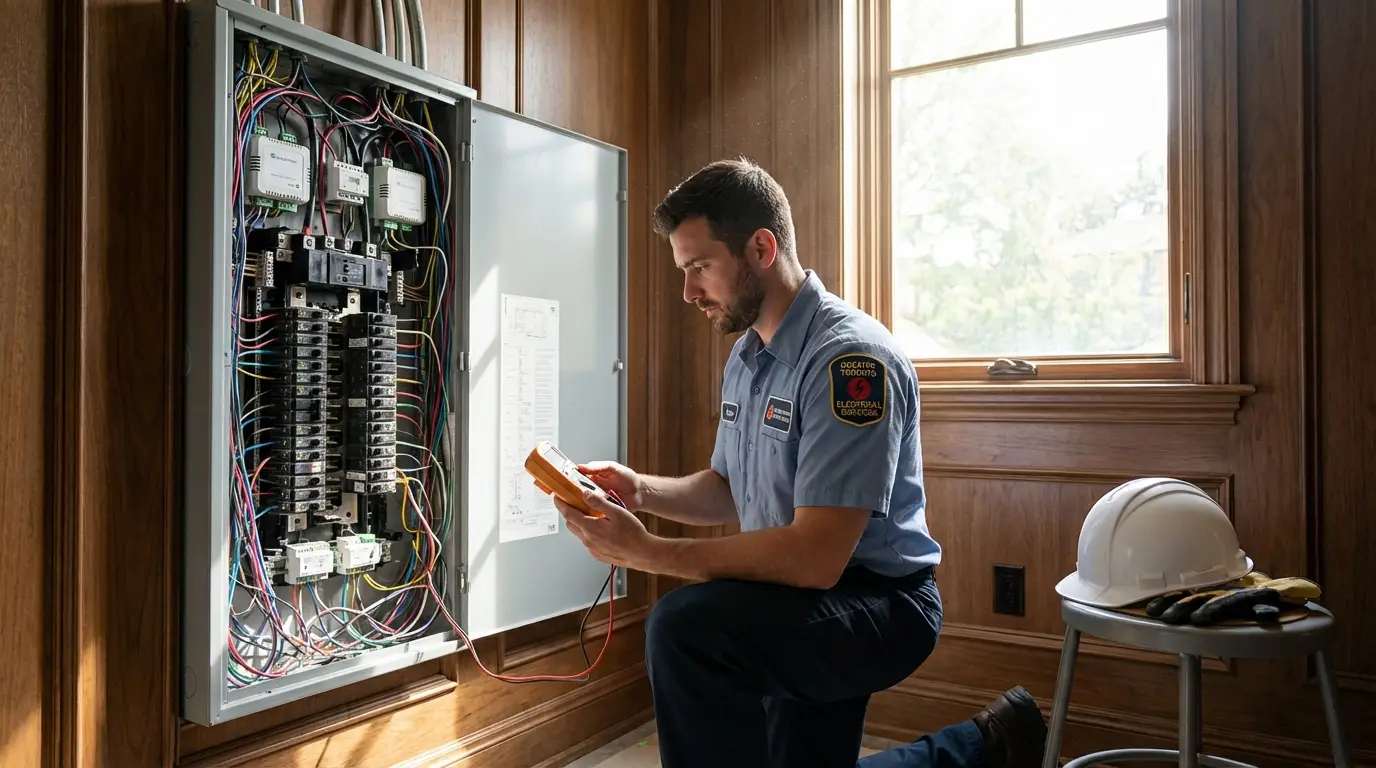
Homeowners across Toronto, Vaughan, Mississauga, Brampton, Oakville, and Richmond Hill are increasingly tempted to tackle electrical projects themselves. With the rise of DIY culture and countless online tutorials, it’s understandable why some see this as a cost-saving measure on home improvements. However, electrical work stands apart from other home projects due to its complexity and inherent dangers. Unlike superficial upgrades, improper electrical repairs can drastically reduce the structural integrity and, most importantly, the long-term property value of a home.
In the fluctuating climate of the Greater Toronto Area (GTA), where temperature swings and humidity affect building materials differently throughout the year, ensuring electrical safety and compliance is critical. The risks associated with improper DIY electrical work extend beyond immediate inconvenience—they pose serious legal and insurance challenges, and compromise the safety of current and future occupants. This article explores why professional electricians are indispensable allies in safeguarding your home and investment.
The Hidden Complexities Behind DIY Electrical Repairs in GTA Homes
At first glance, electrical tasks such as swapping out light fixtures or replacing outlets might seem straightforward, leading many homeowners to attempt these projects themselves. Yet, the hidden realities of residential electrical systems tell a much more nuanced story. Underneath walls, within ceilings, and across basements, a web of circuits, breakers, and grounding components work together to deliver safe and reliable power. This intricate network requires precise engineering, adherence to code, and tested safety standards—elements often overlooked in DIY projects.
Electrical panels found in homes across Toronto and its surrounding municipalities must conform to requirements that manage load capacity, protect circuits, and prevent overloads. Improper wiring configurations, incorrect gauge wire use, or faulty connections not only risk continuous device malfunction but may gradually degrade the wiring insulation, increasing chances of short circuits or fires.
Moreover, the GTA’s varying humidity levels particularly in areas like Vaughan and Richmond Hill impose challenges on electrical components. Materials that lack resistance to moisture absorption are prone to corrosion and breakdown, reducing their functional lifespan and reliability. This degradation is rarely visible until major failures occur, making proactive and expert electrical assessments critical.
Key Recommendations to Mitigate Risks in Home Electrical Upgrades
- Understand Local Electrical Codes: Every municipality has strict electrical codes designed to promote safety and efficiency. Familiarizing yourself with these codes is essential before any job, as noncompliance can lead to failed inspections and costly repairs when selling your property in Toronto or Mississauga.
- Turn Off Power Before Starting: Always switch off the circuit breakers and confirm no electricity flows using a voltage tester before commencing any electrical work. This simple step prevents electrocution risks.
- Use Proper Wire Gauges: Selecting the correct wire gauge ensures circuits can handle the intended load without overheating or voltage drops, critical for the durability of systems in homes throughout Oakville and Brampton.
- Invest in Quality Materials: Materials should withstand local climatic conditions including cold winters and humid summers. Choose corrosion-resistant connectors and insulated wiring rated for Canadian standards.
- Ground All Circuits Appropriately: Proper grounding is vital to reduce shock risks and electrical noise that can damage expensive home electronics, increasing the property’s value-efficiently.
- Check Compatibility of New Fixtures: Upgrading to LED lights or smart home devices requires compatibility checks to prevent overloading existing circuits or introducing fire hazards.
- Document Your Work: Keep records of upgrades and permits to enhance transparency during property transactions in GTA’s dynamic housing market.
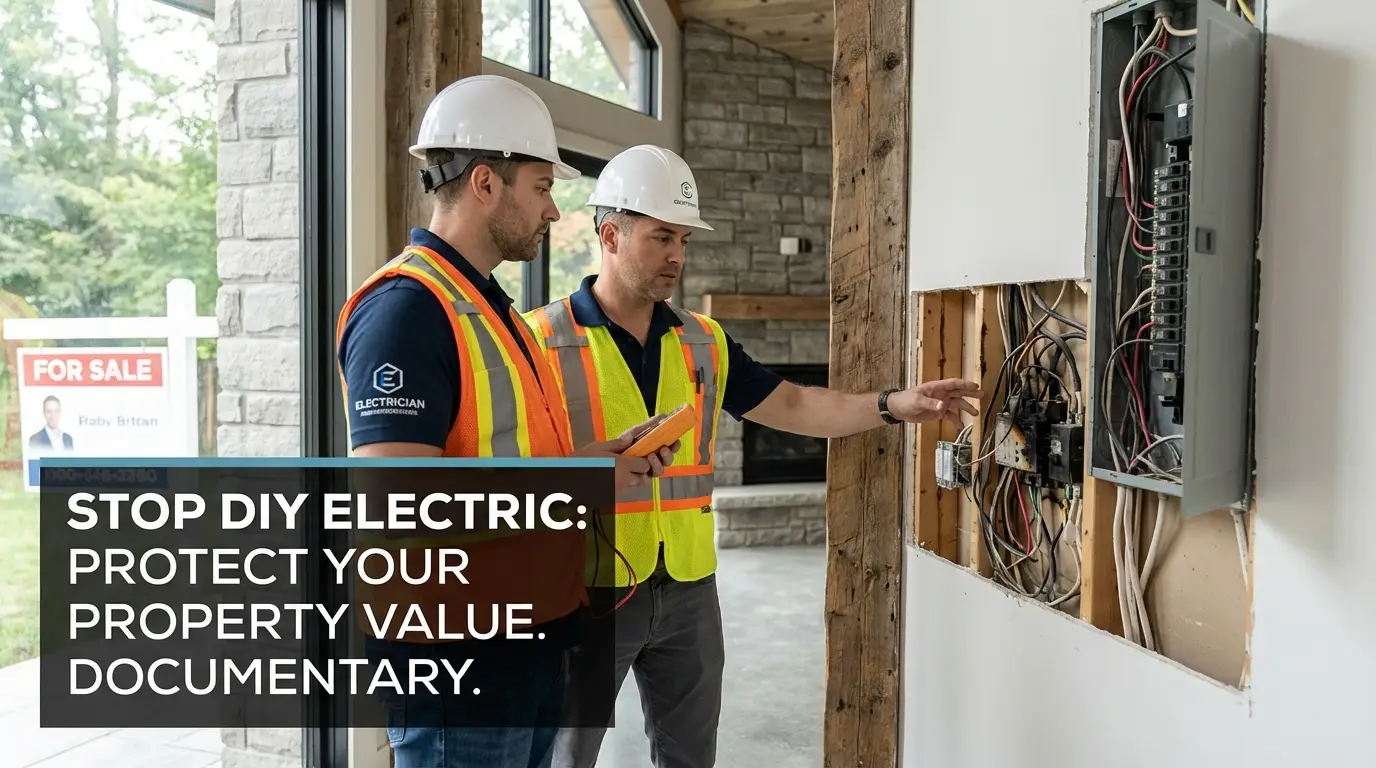
“One often overlooked aspect in residential electrical inspections is ensuring that neutral and ground wires do not share terminals post-Panel. This simple check can save costly troubleshooting and prevent latent shock hazards.”
How CNG Contracting Ensures Safe and Code-Compliant Electrical Systems in GTA Homes
CNG Contracting’s team in Toronto, Vaughan, and surrounding areas brings rigor and precision to every electrical diagnostic visit. Our licensed electricians assess not only the visible hardware but delve behind walls to inspect wiring integrity, load configuration, and grounding systems. We recognize that every connection and cable choice plays a long-term role in maintaining property value and safety.
Our diagnostic visits identify immediate hazards and forecast potential issues that could exponentially increase repair costs or, worse, cause property damage. By crediting the diagnostic visit fee toward your final repair or upgrade project, we emphasize transparency and value, avoiding surprises common to DIY attempts. Our experts guide homeowners through the best solutions tailored to local conditions, balancing modern electrical technology with the demands of Ontario’s climate.
For home repairs or renovations that involve complex rewiring, circuit upgrades, or new installations, CNG Contracting offers comprehensive services that secure your home’s electrical foundation. Our commitment ensures code compliance, safety adherence, and enhanced asset longevity.
Technical Scenarios: Comparing Risks and Benefits of Electrical Approaches
| Situation / Strategy | Risk Level | Proactive Benefit |
|---|---|---|
| DIY outlet replacement without power off | High | None — Immediate electrocution risk |
| Hiring unlicensed electrician | Moderate to High | Lower upfront cost but possible code violations and insurance issues |
| Licensed electrician with full diagnostic | Low | Compliance assurance, safety, long-term system integrity |
| Ignoring circuit breaker faults | High | Short-term saving, but high fire hazard and property damage risk |
| Routine professional maintenance via Annual Maintenance Plans | Minimal | Early detection of issues, extending electrical system life and property value |
Take the Professional Step to Protect Your GTA Home’s Electrical System
Your home’s electrical safety directly correlates to its market value and livability. When issues arise, timely, professional intervention prevents simple faults from escalating into major hazards. The team at CNG Contracting invites you to schedule a comprehensive Professional Diagnostic Visit. This onsite evaluation is an invaluable first step to secure your home’s electrical system while ensuring the diagnostic fee is fully credited toward any recommended repairs or upgrades.
Don’t risk the long-term consequences of DIY electrical work. Protect your property investment against unexpected damage or legal complications by partnering with certified electrical professionals. Contact us today at (647) 669-7346 or visit the Booking page to arrange your appointment.
Glossary of Key Electrical Terms for Homeowners in Toronto and Surrounding Areas
- Gauge: The thickness of electrical wire, which determines the current it can safely carry.
- Grounding: The process of creating a safe path to earth to prevent shocks from electrical faults.
- Circuit Breaker: A safety device that interrupts electric flow in case of overload or short circuits.
- Neutral Wire: The wire that carries current back to the electric panel to complete the circuit safely.
- Voltage Tester: A handheld tool used to confirm the presence or absence of electrical power on wires or outlets.
Is it legal to do my own electrical repairs on my Toronto home?
Most electrical work beyond simple plug or light bulb replacement requires a permit and inspection under Ontario’s building codes. In many GTA municipalities, unlicensed work is illegal and could affect insurance claims. Always consult local guidelines.
What is the biggest risk of attempting DIY electrical work?
The most immediate risks include electrocution and fire hazards. Mistakes in wiring or improper installation can lead to electrical shocks or short-circuit fires, endangering lives and property.
How can hiring a professional electrician protect my home’s property value?
Professionals ensure electrical systems meet safety codes, function reliably, and have documented compliance that reassures future buyers. Poor or unpermitted work can reduce market value and complicate resale.
What are common signs I should call an electrician?
Frequent breaker trips, flickering or dimming lights, warm outlets, burning smells near electrical fixtures, or power issues in specific rooms all indicate the need for professional assessment.
Does professional electrical work come with warranties?
Licensed electricians typically provide workmanship warranties and carry insurance that protects both installers and homeowners in case of unexpected issues.