
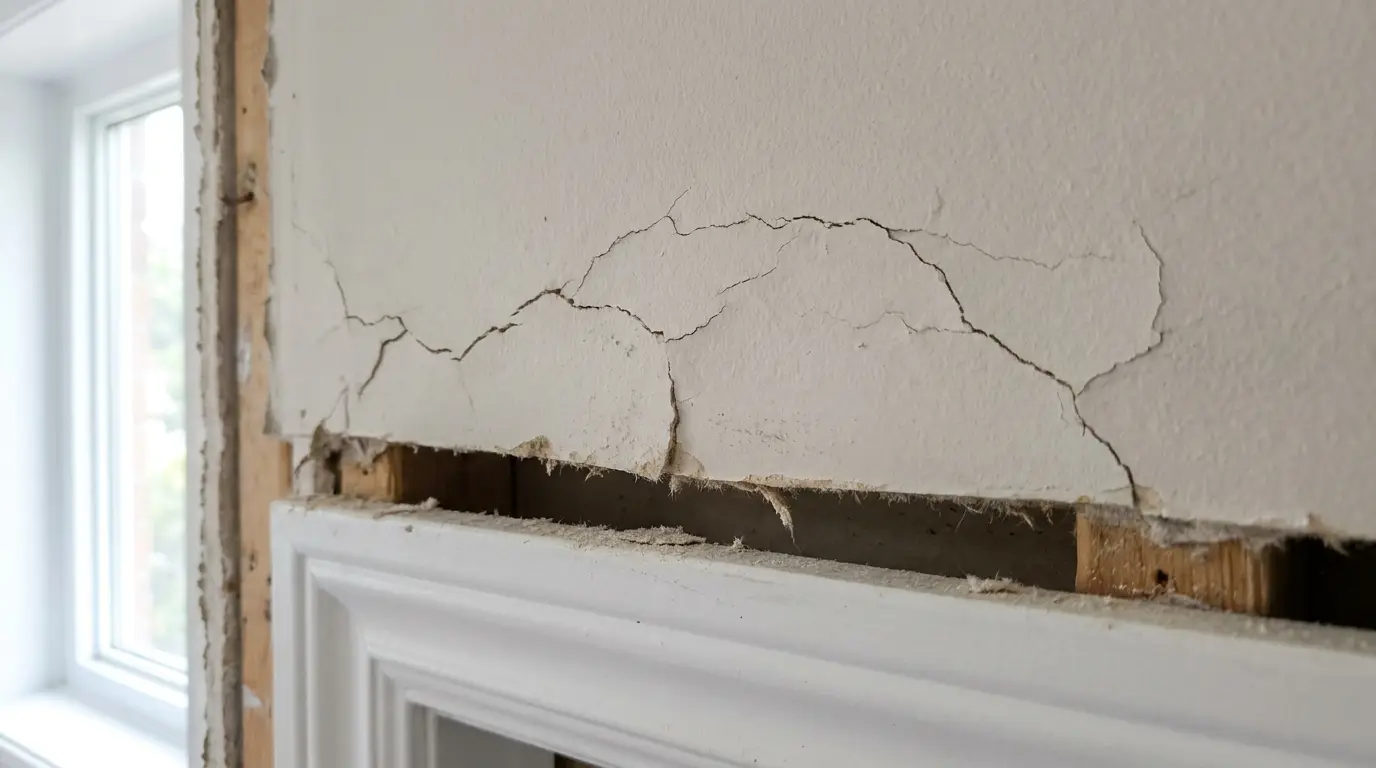
When cracks start appearing in drywall, it raises immediate concerns about the home’s structural health, especially across the Greater Toronto Area where seasonal temperature shifts and soil conditions influence building stability. Understanding whether drywall cracking signals mere surface wear or deeper foundation shifting is crucial for homeowners aiming to preserve their property investment and ensure building safety. Early detection can prevent costly repairs and safeguard long-term home integrity, a priority for properties from Toronto’s urban core to surrounding suburbs like Vaughan and Richmond Hill.
In the dynamic environment of the GTA, variable weather patterns cause homes to settle and shift, sometimes revealing underlying foundation stresses. Differentiating between cosmetic wall cracks and those heralding structural damage deepens the homeowner’s capacity to respond appropriately. This knowledge supports prudent decisions about when to call upon experts for a thorough home inspection and foundation repair consultation. Proper maintenance hinges on timely recognition of subtle warning signs before wall cracks evolve into a systemic threat to building safety.
The Complex Dynamics Behind Drywall Cracking and Foundation Shifting in GTA Homes
Behind every crack in drywall lies a story about material behavior, environmental forces, and the house’s structural framework. Understanding these interactions requires a technical approach equipping homeowners with insight rather than guesswork. Drywall, a composite gypsum panel, is inherently rigid and susceptible to stress from shifting substrates. Over time, as the foundation moves due to soil settlement, moisture, or temperature fluctuations, this stress manifests visibly through cracking or separation along drywall seams and joints.
Toronto and its neighbouring cities, including Mississauga and Oakville, face unique geotechnical challenges. The clay-rich soils prevalent in these regions expand when wet and contract during drier periods, exerting uneven pressure on foundations. This cyclical soil movement often causes the foundation to shift subtly or develop uneven settlement areas, affecting the framing and drywall above. The resulting cracks are indicators of the home’s response to these shifting forces.
From a structural standpoint, cracks can reveal varied issues – ranging from minor surface material fatigue to potentially dangerous shifts in the load-bearing elements of the property. For example, diagonal cracks near doors or windows often indicate differential settlement, where one side of the foundation moves differently than another. In contrast, horizontal cracks could point to excessive lateral soil pressure or weakened basement walls.
Technicians inspecting drywall cracking in the GTA also check for moisture content behind the walls, as water intrusion compromises drywall’s integrity and accelerates deterioration. Plumbing leaks or poor drainage can amplify foundation vulnerabilities, contributing to ongoing shifting. A holistic understanding of these layered factors is essential for durable solutions and maintaining home value amidst evolving local climates.
Making Sense of Different Drywall Cracks: Cosmetic vs Structural Indicators
Not all drywall cracks should raise immediate alarms, yet distinguishing between types requires careful observation and contextual understanding. Cracks are generally grouped into cosmetic or structural categories, each demanding a different level of attention from homeowners and contractors.
Cosmetic Cracks typically manifest as hairline fractures or small vertical splits along seams and joints. These arise from normal settling, temperature-induced material expansion and contraction, or even suboptimal drywall installation practices. For instance, drywall installed without appropriate taping, or with insufficient joint compound, is more prone to minor cracking over time.
On the other hand, structural cracks tend to be wider – often exceeding 1/8 inch – and appear at critical stress points such as corners around windows and doors, where the framing transfers load to the drywall. Stair-step patterns especially near basement walls or diagonal cracks signal foundation shift or structural framing movement. These are warning signs that merit professional evaluation.
In practice, a drywall crack above a window frame that gradually widens, coupled with doors that no longer close properly, suggests underlying differential foundation settlement. Moreover, horizontal cracks could reflect lateral pressure from soil buildup or water-saturated ground. Observing crack location and growth over time in relation to structural features provides key clues in assessing the severity of the situation.
How Local Climate Influences Crack Formation
The Greater Toronto Area experiences four distinct seasons, causing continual expansion and contraction cycles in building materials. This environmental stress contributes to drywall cracking, especially during severe winters followed by wet springs. Humidity shifts further exacerbate drywall brittleness and increase the probability of cracks forming near drywall joints or framing intersections. Understanding the local climate’s contribution helps frame expectations regarding crack formation and guides maintenance scheduling.
When Cosmetic Cracks Signal Potential Trouble
Even minor cracks warrant scrutiny when observed alongside signs of moisture damage, mold growth, or bulging drywall surfaces. These symptoms often hint that cosmetic issues mask more severe structural deficiencies or water intrusion problems that threaten the foundation’s health. Ignoring such signs risks escalated damage, including accelerated framing deterioration or compromised subflooring systems prevalent across homes in densely developed urban areas.
Seven Essential Contractor Recommendations to Diagnose and Address Drywall Cracking and Foundation Movement
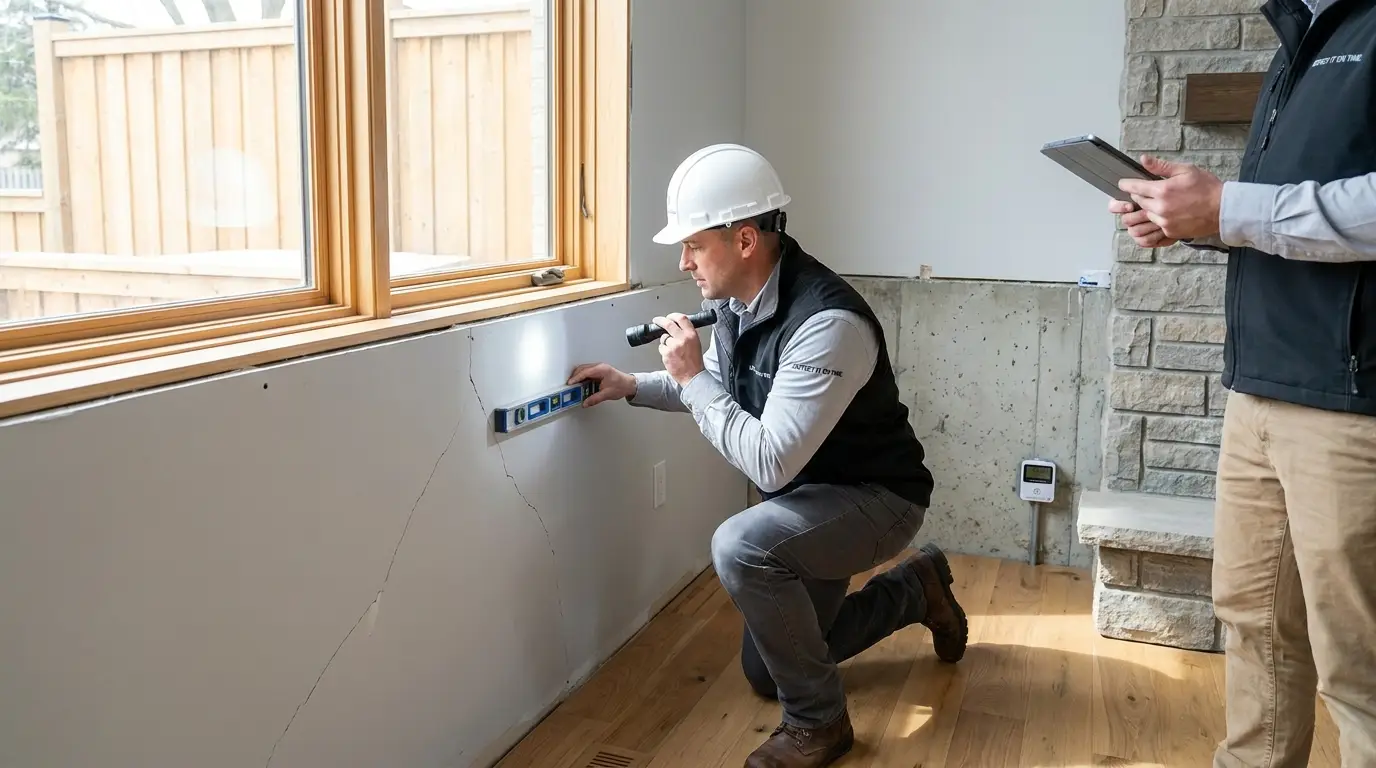
- Conduct a Professional Diagnostic Visit Early – Engage experienced contractors offering on-site assessments to evaluate drying cracking context, foundation condition, and moisture levels. Timely intervention avoids costly repairs later and protects resale value in competitive markets like Toronto and Vaughan.
- Use Precision Measurement Tools – Employ crack gauges and laser levels to monitor crack progression, floor tilt, or wall bowing, providing empirical data for predictive analysis.
- Focus on Foundation Soil and Drainage Conditions – Identify water accumulation or improper grading impacting soil stability, common in Mississauga and Brampton, which directly affect foundation functioning.
- Inspect Plumbing and Ventilation Systems – Detect leaks or moisture buildup compromising drywall and subflooring, necessitating corrections alongside structural repairs.
- Prefer Durable Materials Adapted to Local Conditions – Choose resilient drywall compounds and moisture-resistant panels suited for high-humidity areas to increase longevity.
- Implement a Staged Repair Strategy – Fill cosmetic cracks only after confirming the cessation of foundation movement, ensuring lasting surface integrity.
- Educate Homeowners on Ongoing Monitoring – Present clear guidelines for regular inspection of wall cracks and structural changes, enabling early detection of concerns.
- Integrate Drywall Repair with Foundation Stabilization Efforts – Combine cosmetic fixes with underpinning or soil correction to address root causes effectively.
- Advocate Seasonal Maintenance Plans – Adjust upkeep in alignment with seasonal impacts affecting foundation and wall behavior across the GTA.
- Document Changes Thoroughly – Maintain photographic records and inspection logs to support warranty claims or real estate transactions.
Attention to crack patterns combined with immediate moisture assessment can reveal subtle foundation shifting long before visible structural damage emerges. Professionals monitoring these signs significantly increase building safety by addressing root problems instead of just patching surfaces.
The CNG Professional Approach to Identifying and Resolving Drywall Cracking and Foundation Issues
At CNG Contracting, the approach begins with a comprehensive Professional Diagnostic Visit across Toronto, Vaughan, Mississauga, and neighboring communities. This service delivers a full on-site evaluation of wall cracks, foundation alignment, soil conditions, and moisture presence. Our diagnostic fee is fully credited toward any repairs or projects, assuring clients of committed value rather than mere expense.
Expert teams utilize advanced measurement tools and moisture meters to discern between superficial cosmetic cracks and those symptomatic of foundation shifting. Each inspection culminates in a tailored remediation plan combining foundation repair techniques, structural modernization, and drywall restoration. By addressing both surface symptoms and underlying causes, CNG protects homeowners’ investments and optimizes property longevity.
The service emphasizes proactive maintenance strategies, integrating seasonal inspections to capture early warning signs of building shifts. This commitment extends beyond mere cosmetic fixes by engineering durable solutions adapted to Ontario’s climate and urban soil conditions, enhancing resilience across the home’s lifespan.
Scheduling a Professional Diagnostic Visit positions homeowners to prevent escalation, maintain building safety, and improve their home’s market positioning in vibrant real estate environments such as Toronto and Oakville. Learn more about our foundational stress assessments and structural modernization services designed for the GTA’s unique building challenges.
Comparing Drywall and Foundation Conditions: Risks and Benefits of Various Scenarios
| Situation/Strategy | Risk Level | Proactive Benefit |
|---|---|---|
| Ignoring hairline drywall cracks and not monitoring changes | Moderate to High | None; risk of undetected foundation shifts leading to costly repairs |
| Applying cosmetic patching without foundation evaluation | High | Temporary aesthetic improvement but underlying issues worsen |
| Early Professional Diagnostic Visit after noticing initial cracks | Low | Early problem identification enabling timely foundation repair |
| Comprehensive foundation stabilization combined with drywall repair | Very Low | Long-term structural integrity and preserved home value |
| Seasonal maintenance plan integrating inspections and targeted repairs | Low | Ongoing prevention of foundation shifting and drywall degradation |
Professional Call to Action: Secure Your Home’s Structural Integrity Today
Given the complexities encountered in detecting whether drywall cracking stems from superficial causes or foundation shifting, timely expert consultation is paramount. GTA homeowners in Toronto, Vaughan, Mississauga, Brampton, Oakville, and Richmond Hill are encouraged to reach out for a professional evaluation. Booking a Professional Diagnostic Visit ensures a clear, actionable understanding of your property’s health, with the fee credited against any follow-up repair work.
Contact CNG Contracting by calling (647) 669-7346 or by visiting our Contact Us page to schedule your assessment. Early detection not only secures your investment but significantly enhances your home’s durability against the climatic and soil challenges typical to the region.
Technical Glossary for Drywall Cracks and Foundation Movements
- Foundation Settlement: The downward movement of a building’s foundation due to soil compression or loss of bearing capacity.
- Crack Gauge: A precise tool used to measure changes in crack width over time to monitor structural movement.
- Differential Settlement: Uneven foundation movement causing stress on structural elements and resulting in cracks.
- Joint Compound: A gypsum-based paste used to fill and smooth drywall seams and cracks.
- Lateral Soil Pressure: Horizontal force exerted by soil against foundation walls, which can cause bowing or cracking.
Understanding the nuances between drywall cracking and foundation shifting can save thousands in repairs and protect the structural integrity of your home.
Are all drywall cracks indicators of foundation problems?
No, many drywall cracks are cosmetic and result from natural settling or temperature changes. However, cracks wider than 1/8 inch or those with stair-step patterns typically indicate foundation issues.
When should I schedule a foundation inspection after noticing cracks?
If cracks are growing, diagonal in shape, accompanied by doors or windows that no longer close properly, or if there is bulging drywall, it’s advisable to book a professional inspection promptly.
Can foundation shifting happen in new GTA homes?
Yes, new construction is not immune; unstable soil conditions or poor site preparation can lead to early foundation movement and subsequent drywall cracks.
What immediate actions can homeowners take upon seeing drywall cracks?
Homeowners should conduct a careful visual assessment, note crack size and location, check for moisture, and schedule a professional diagnostic visit for a thorough evaluation.
Is patching drywall effective without fixing foundation issues?
Patching may improve appearance temporarily, but without addressing foundation shifts, cracks will likely reappear and worsen.