
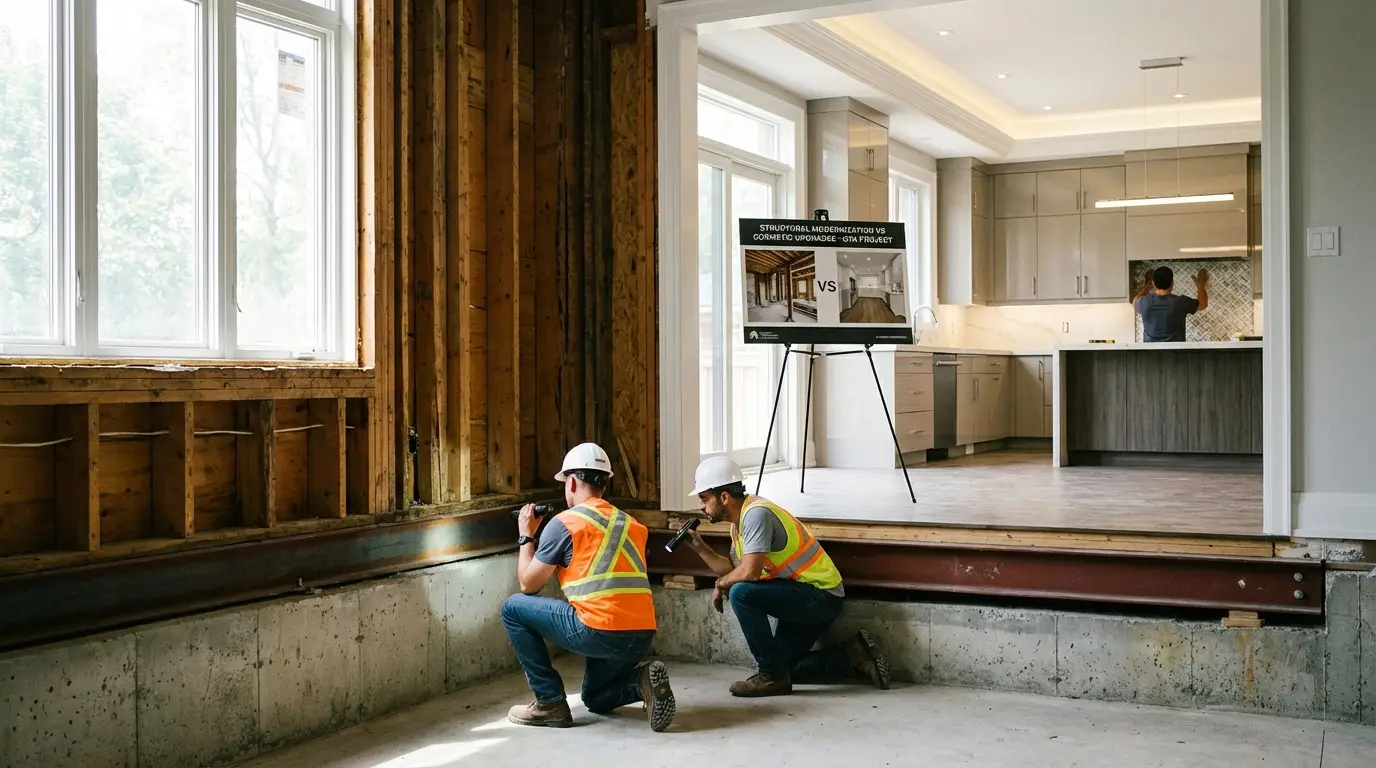
In the Greater Toronto Area, the approach to home renovation has undergone a significant transformation. Increasingly, homeowners are recognizing that investing in structural modernization offers far greater benefits than merely cosmetic upgrades. This shift reflects the unique challenges of the Toronto housing market, including aging properties, escalating construction complexities, and evolving family lifestyles that demand durable, functional living spaces designed for long-term sustainability.
Toronto’s climate—with its hot, humid summers and cold, snowy winters—exerts considerable stress on building envelopes, foundations, and framing systems. Cosmetic touch-ups, while appealing, often fail to address underlying issues that threaten the integrity and value of a property. Long-term investment in structural improvements is proving essential for maintaining building integrity, enhancing property value, and ensuring homes can adapt to future needs.
This mindset shift is especially pertinent for homeowners in Toronto, Vaughan, Mississauga, and neighbouring cities who are balancing the desire for aesthetically pleasing spaces with the necessity for resilient and efficient homes. The following sections unpack the technical and practical reasons why prioritizing structural modernization over cosmetic upgrades is the smart strategy for Toronto-area home improvement projects.
Understanding Structural Modernization Versus Cosmetic Upgrades in Toronto Homes
Structural modernization addresses the foundational and load-bearing components of a home, such as foundations, framing, roofs, and critical infrastructure including HVAC, electrical, and plumbing systems. Cosmetic upgrades, on the other hand, focus on surface-level improvements like paint, fixtures, trim, and cabinetry. While cosmetic improvements refresh the look of a space, they do not tackle the intrinsic challenges faced by older Toronto homes.
Toronto’s older housing stock, particularly in neighbourhoods like East York, North York, and Etobicoke, often features construction materials and methods that are no longer code-compliant or optimal for today’s living standards. Structural modernization ensures these homes can handle increased loads—whether from new architectural expansions or modern systems—without risking damage or failure.
For example, many pre-war homes use softwood framing that has degraded or been compromised by moisture ingress over decades. Simply repainting or replacing drywall does not mitigate risks stemming from bowed joists or compromised subfloors. A comprehensive structural upgrade will replace compromised materials with modern engineered lumber designed to withstand Toronto’s seasonal humidity fluctuations, resulting in enhanced durability and performance. This kind of modernization is aligned with preserving the home’s core integrity while enhancing livability.
Moreover, structural upgrades support improved energy efficiency and resilience. Adding modern insulation, applying high-performance seals around foundations, and upgrading to energy-efficient HVAC systems fundamentally reduce operating costs and improve comfort—a direct benefit to homeowners in urban centres like Toronto and Mississauga, where energy costs continue to climb.
From a property value perspective, structural improvements carry far more weight in real estate appraisals. Buyers and appraisers in areas such as Richmond Hill and Vaughan often view homes with updated foundations, robust framing, and modernized utility infrastructure as better investments than those offering primarily visual enhancements.
Technical Why: What Structural Modernization Involves Behind the Walls of Toronto Homes
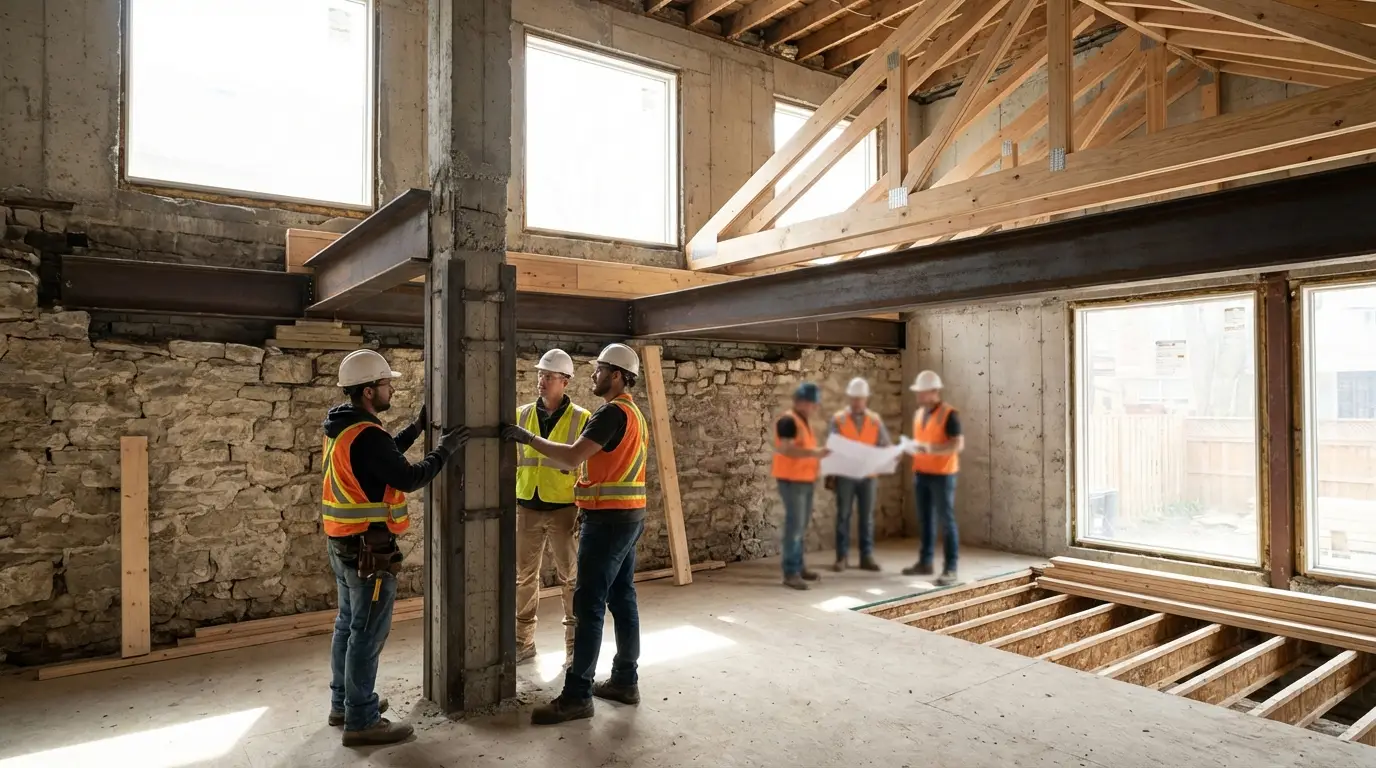
The true impact of structural modernization lies beneath the surface. Toronto’s aging homes harbor issues invisible without expert inspection: shifting soils, water infiltration, outdated pest treatments, and inefficient structural layouts. Understanding these technical intricacies is vital for homeowners aiming for lasting renovation value.
Foundation and Soil Interaction: Toronto’s soil conditions range from clay-heavy in areas like Scarborough to more sandy deposits near Oakville. Clay soils expand and contract dramatically with seasonal moisture changes, putting tremendous stress on foundations. Structural underpinning and foundation repair techniques are critical to maintaining building integrity in such environments. Without reinforcement, foundation cracks worsen and can lead to misaligned windows, uneven floors, and costly interior damage.
Subfloor and Joist Replacement: Many older Toronto homes feature subfloors prone to warping due to humidity, a problem exacerbated by inadequate ventilation or insulation. Modern engineered wood products and strategically installed vapor barriers offer a longer-lasting foundation for floors and walls, preventing costly sagging or structural degradation. This also allows for more diverse flooring options aligned with contemporary design preferences without sacrifice to durability.
Load-Bearing Wall Assessment: Removing or repositioning walls is a common desire in renovations aimed at open-concept living. However, in older Toronto homes, many interior walls support critical structural loads. Modernization involves precise structural analysis, installing appropriate lintels, beams, or steel supports to safely modify these load paths while preserving building code compliance. This engineering expertise prevents catastrophic failures and ensures longevity.
Mechanical and Electrical Integration: Structural work often coincides with upgrades in plumbing, electrical systems, and HVAC. These upgrades improve safety and efficiency but require access behind walls, which is more feasible during structural renovations. Coordinating these trades within the scope of structural modernization minimizes disruption and ensures cohesive system performance consistent with Ontario building standards.
In essence, structural modernization is an orchestrated effort that considers soil conditions, framing materials, energy performance, and systems integration to create homes built to endure Toronto’s demanding environment. It is the foundation of sustainable home improvement in today’s settings.
Key Recommendations for Toronto Homeowners Considering Structural Modernization
- Engage a Professional Structural Engineer Early: Before any renovation starts, consulting with a qualified engineer helps identify critical load paths and foundation weaknesses specific to Toronto’s soil and climate.
- Plan for Integrated Mechanical Upgrades: Align plumbing, electrical, and HVAC system improvements with structural work to optimize timelines and reduce overall disruptions.
- Use Durable, Local-Grade Materials: Opt for materials engineered for Ontario’s humidity and temperature swings, such as pressure-treated subfloors and advanced vapor barriers.
- Obtain Proper Permits and Plan for Inspections: Comply fully with City of Toronto or regional regulations to avoid costly delays, fines, or forced post-renovation corrections.
- Prioritize Energy Efficiency Upgrades: Incorporate insulation improvements and mechanical system modernization as part of the structural overhaul for long-term operating cost savings.
- Phased Renovation Planning: Where large-scale structural modernization is not immediately feasible, plan phased projects with an end-to-end vision to maintain consistency and prevent rework.
- Budget for Unexpected Findings: Older homes frequently reveal hidden issues such as pest damage or obsolete wiring during renovations; preparing a contingency budget mitigates surprises.
- Choose Experienced General Contractors: Partner with firms knowledgeable in Toronto-area housing challenges and modern construction methods to ensure quality outcomes.
- Maintain Documentation: Keep detailed records of permit approvals, engineering reports, and change orders to support future property transactions and insurance purposes.
- Stay Informed of Market Trends: Monitor evolving best practices for structural modernization in Toronto to maximize renovation benefits and home resale appeal.
When inspecting a Toronto home for structural modernization, it’s critical to evaluate the moisture content in subfloor materials using a moisture meter—hidden dampness can be a silent destroyer causing rot and mold long before visible damage appears.
The CNG Professional Solution: Comprehensive Structural Modernization for GTA Homes
CNG Contracting specializes in delivering tailored structural modernization solutions across Toronto, Vaughan, Mississauga, and surrounding areas. Our approach integrates expert diagnostics, engineering collaboration, and high-quality materials aligned with the specific demands of the local climate and building stock.
We begin with a Professional Diagnostic Visit that thoroughly assesses your home’s structural condition and modernization potential. This visit fee is wholly credited toward your final project cost, ensuring transparent value from the outset.
Our teams execute foundation underpinning, framing replacement, and mechanical system upgrades with precision, minimizing disruption while future-proofing your home. By working closely with you throughout the permitting process and project phases, we ensure compliance and clarity, reducing costly delays seen in many Toronto-area renovations.
With decades of experience navigating complex renovations and building code adherence in Ontario, CNG Contracting delivers results that enhance long-term investment and home performance. Whether you own a century-old home in East York or a mid-century property in Oakville, our modernization services prioritize durability, efficiency, and market value for your unique needs.
Learn more about the expert tips for modernizing your property and explore how CNG can partner in your home renovation journey.
Technical Comparison of Renovation Strategies and Their Impact in Toronto Homes
| Situation/Strategy | Risk Level | Proactive Benefit |
|---|---|---|
| Ignore Structural Issues, Cosmetic Upgrades Only | High: Potential foundation failure and system inefficiency | Short-term aesthetic boost but frequent repairs and declining property value |
| Partial Structural Repairs Without System Upgrades | Medium: Limited lifespan improvements, missed efficiency gains | Bridging solution that extends home life moderately but requires future work |
| Comprehensive Structural Modernization with Energy Upgrades | Low: High upfront effort mitigated by professional planning and permits | Long-term durability, reduced operating costs, and improved resale value |
| Cosmetic + Ready Structural Upgrades Phased Over Time | Medium-Low: Managed risk with phased investment | Balanced approach maintaining livability while advancing modernization |
| Ignore Permitting and Compliance | Very High: Risk of fines, delays, insurance issues | Potentially severe financial and legal repercussions |
Professional Call to Action: Secure Lasting Value With Strategic Structural Renovations
If you’re seeking to enhance your Toronto-area home with upgrades that truly add value and durability, start by booking your professional diagnostic assessment with CNG Contracting. Our team will provide a transparent evaluation and actionable plan tailored to your property’s unique needs.
Call (647) 669-7346 today or visit our Contact Us page to schedule your visit. Take control of your home’s future now by prioritizing structural modernization over fleeting cosmetic upgrades.
Technical Glossary of Key Terms in Structural Modernization
- Foundation Underpinning: A process strengthening the base of a building to prevent settlement or failure common in clay soil areas around Toronto.
- Load-Bearing Wall: An essential wall that supports structural loads transferred from floors or roofs, requiring careful assessment before removal or modification.
- Engineered Lumber: Manufactured wood products, such as laminated veneer lumber, designed to improve strength and dimensional stability in structural applications.
- Vapor Barrier: Material installed to prevent moisture penetration through ceilings, floors, or walls, crucial for preventing rot and mold in humid climates.
- Mechanical System Integration: Coordinated updating of plumbing, electrical, and HVAC systems occurring alongside structural renovations for efficiency and compliance.
Why is structural modernization preferable to cosmetic upgrades in Toronto homes?
Structural modernization addresses critical building integrity, energy efficiency, and long-term durability issues which cosmetic upgrades cannot fix. It ensures safety and adds measurable property value.
Can cosmetic upgrades harm the home if structural issues exist?
Yes, cosmetic improvements without resolving structural problems may hide defects temporarily, but these issues will worsen over time, potentially causing costly damage and reducing market value.
What kind of permits are required for structural renovations in Toronto?
Permits for foundation work, load-bearing wall modifications, electrical, plumbing, and HVAC changes are mandatory. Compliance with local building codes and inspections are critical to avoid penalties.
Is phased structural modernization a viable strategy for Toronto homeowners?
Phased modernization allows homeowners to spread out investment while ensuring all work aligns under a cohesive long-term plan, balancing immediate needs with future goals.
How does structural modernization impact energy efficiency in older Toronto homes?
Upgrading insulation, sealing, and mechanical systems during structural work significantly reduces energy consumption, improving comfort and lowering utility bills.