Taking on a blank canvas project means confronting vast potential and unknown challenges simultaneously. For homeowners across Toronto, Vaughan, Mississauga, Brampton, Oakville, and Richmond Hill, understanding how contractors adopt a strategic mindset to approach these projects can transform how value, creativity, and durability are delivered in construction. With Greater Toronto Area’s ever-changing climate and evolving urban landscapes, embarking on any construction or renovation project without a methodical plan risks costly missteps and compromises in structural integrity.
In this context, a contractor’s mindset involves more than just technical know-how; it embodies a clear vision that connects each decision to the long-term performance and value of a home. A blank canvas project is an opportunity to integrate innovative design, sustainable materials, and smart construction practices that withstand Ontario’s humid summers and cold winters. This approach protects investments, streamlines execution, and ensures peace of mind from the initial planning stages through final handover.
Unfolding the Contractor Mindset in a Blank Canvas Project Approach
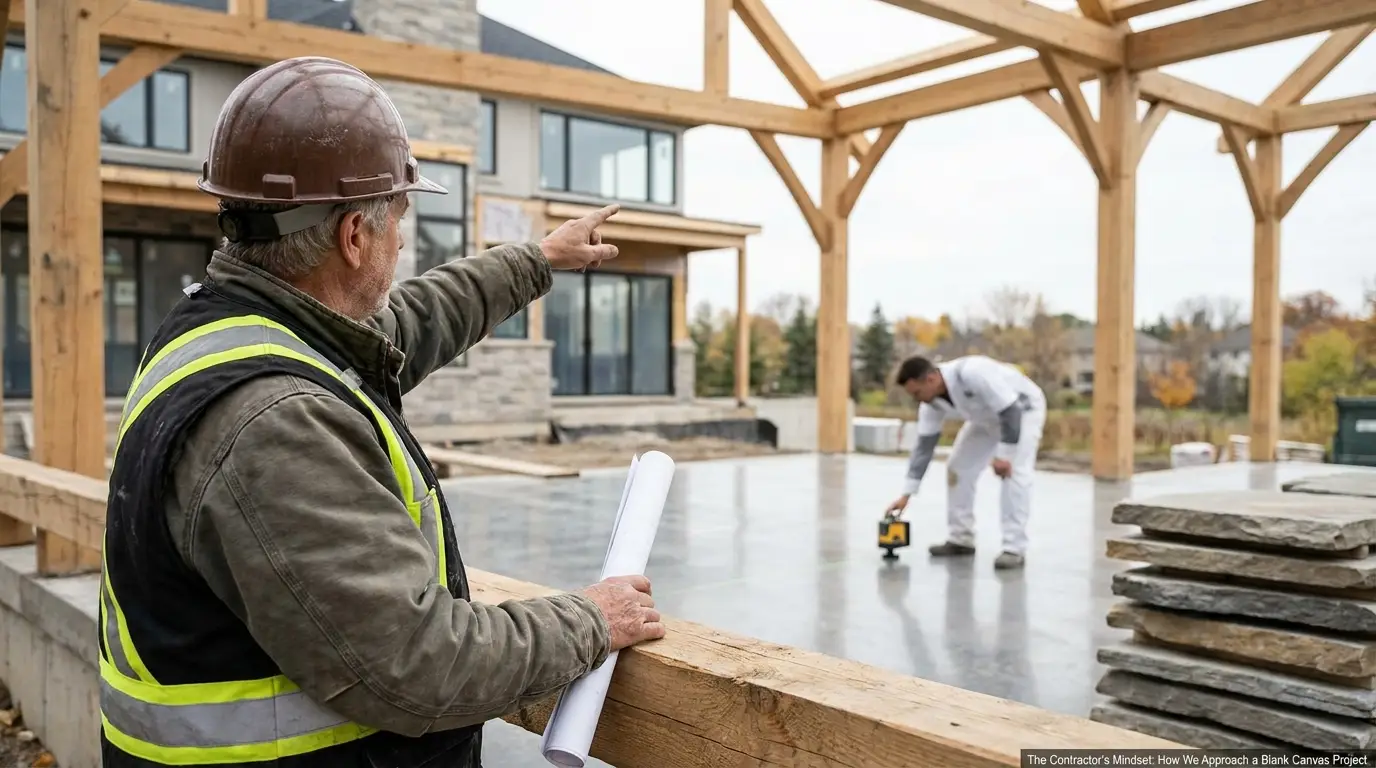
At the core of a successful project lies the contractor’s mindset—an interplay of strategic planning, problem-solving, and hands-on execution expertise aimed at converting an empty space into a structurally sound and aesthetically purposeful environment. In the GTA, this mindset accommodates local conditions, meeting regulatory standards while respecting each property’s context and owner’s objectives.
When approaching a blank canvas, contractors begin by dissecting the site’s challenges such as soil conditions, load-bearing requirements, and climatic influences. These technical considerations guide material choices like subflooring resistant to Toronto’s seasonal humidity or exterior sheathing materials chosen for longevity in fluctuating temperatures. Underneath what appears as a clean slate, complex interactions exist between every element—from the foundation to custom millwork that maximizes spatial efficiency and supports modern lifestyles.
The mindset prescribes a methodical sequencing of tasks, balancing worksite safety, procurement logistics, and timeline management. Collaboration with architects during design phases ensures that concepts translate into feasible, maintainable structures that deliver on both utility and appearance. This unity of design and function ranks high in contractor realism, where practical use outweighs ephemeral aesthetics, ensuring homeowners won’t face maintenance nightmares five years post-completion.
Technical Insights Behind a Blank Canvas Project Approach
Each blank canvas project in areas like Oakville or Richmond Hill conceals technical complexities that require deep contractor expertise. Beneath the surface, structural integrity depends on soil analysis, foundation engineering, and precise load distribution adapted to local geology. In the GTA, frost lines and variable moisture mandate rigorous foundation preparations, including drainage systems to prevent soil shifting and cracking.
Material selection also carries technical weight: for instance, specifying subfloors that withstand humidity fluctuations characteristic of Toronto’s summers avoids warping, which undermines floor stability and finish quality. These choices critically impact the longevity and maintenance profiles of the final build.
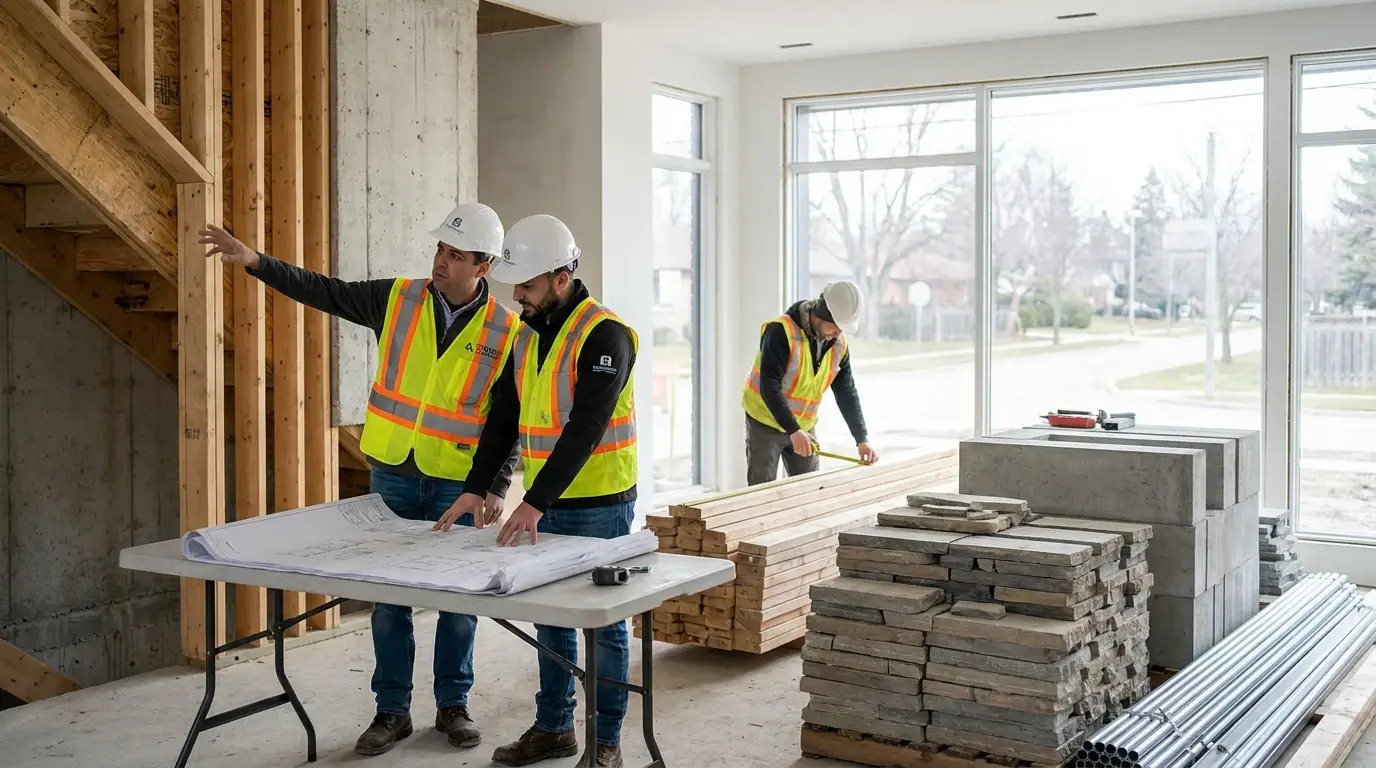
Integration of services such as HVAC, electrical, and plumbing must align with structural systems, demanding foresight during framing stages to accommodate ducts and conduits without compromising load paths. Contractors employ advanced techniques to embed these systems, ensuring seamless access for future upgrades or repairs without intrusive demolition.
In addition, compliance with Ontario building codes and energy efficiency standards plays a foundational role. Engineers and contractors meticulously verify that all components not only meet minimum thresholds but are optimized for the operating conditions specific to the Greater Toronto Area, thereby avoiding costly reworks during inspections and ensuring sustainable performance.
Seven Essential Steps in the Contractor’s Planning and Execution Process
- Comprehensive Site Analysis: Start with a detailed evaluation of soil condition, accessibility, and environmental impacts, crucial for foundation design and site logistics in cities like Mississauga.
- Material Specification Aligned with Climate: Specify materials resilient to Ontario’s humidity and freeze-thaw cycles – for example, using engineered wood products certified for local weather stresses.
- Pre-Engineered Product Systems Specification: Use platforms that validate product alternatives instantly, such as pre-engineered interior systems, to prevent delays and maintain compliance.
- Collaborative Design Integration: Foster close coordination between contractors, architects, and engineers to ensure designs are buildable and maintain design intent.
- Sequenced Work Planning: Develop a detailed timeline that staggers trades logically, reduces on-site conflicts, and mitigates weather-related downtime common in the GTA.
- Ongoing Quality Control: Implement regular inspections and testing at each stage to catch issues early, preserving structural integrity and finish quality.
- Future-Proofing via Maintenance Planning: Incorporate strategies such as drainage management, durable finishes, and energy-efficient technologies that simplify seasonal upkeep and lower long-term costs.
Contractor Pro-Tip: Navigating Supply Chain and Specification Challenges
“One often overlooked advantage in modern contracting is leveraging dynamic system validation platforms that instantly confirm engineering compliance when swapping products mid-project. This agility preserves your critical path and prevents costly delays caused by waiting weeks for engineering reapproval. In markets like Toronto and Vaughan, where material availability fluctuates, integrating this digital proactive approach into your master plan ensures uninterrupted progress and legal safeguards.”
The CNG Professional Solution for Complex Blank Canvas Projects
CNG’s approach to blank canvas projects in the GTA is anchored in comprehensive diagnostic visits conducted early in the project lifecycle. This Professional Diagnostic Visit thoroughly assesses structural concerns, material selections, and site conditions to develop a resilient, tailored solution aligned with the homeowner’s long-term interests. The fee for this visit is fully credited toward subsequent repairs or improvements, underscoring CNG’s commitment to investment value and transparency.
During this visit, the team evaluates existing structural modernization needs and custom millwork requirements vital to maximizing space utility and aesthetic coherence. This precise upfront evaluation minimizes unforeseen issues and ensures procurement aligns perfectly with project specifications, significantly reducing the risk of delays.
Clients from Toronto, Brampton, Oakville, and Richmond Hill benefit from expert guidance that transforms initial concepts into executable plans where structural integrity, design creativity, and regulatory compliance intersect seamlessly. Homeowners are empowered to make informed decisions knowing each intervention is vetted professionally and documented thoroughly.
For those interested in exploring how CNG integrates this methodology into personalized project plans, booking a diagnostic visit offers the first step toward elevating any new build or renovation project into a prudent long-term investment. This process fosters confidence and accountability throughout the construction journey.
Comparing Strategies in Blank Canvas Project Management
| Situation/Strategy | Risk Level | Proactive Benefit |
|---|---|---|
| Rigid Material Specification with No Alternatives | High | Delays and cost overruns if specifications become unavailable |
| Utilizing Dynamic System Validation Platforms | Low | Immediate compliance confirmation, avoids delays, optimized procurement |
| Fragmented Design and Engineering Coordination | Moderate | Miscommunication risks, potential rework, cascading delays |
| Early Diagnostic Project Visit | Low | Identifies risks early, aligns scope with budget and timeline |
| Over-Specifying to Avoid Future Problems | Moderate to High | Increased costs and thinner profit margins, risk of material waste |
Maximize Your Project’s Success with CNG Contracting
For residents and homeowners in Vaughan, Mississauga, and the broader GTA, approaching a blank canvas demands a mindset rooted in foresight, precision, and collaboration. CNG Contracting invites you to leverage their expertise by scheduling a Professional Diagnostic Visit, a service designed to uncover all critical factors before work begins. The value of this inspection is fully credited towards the final project cost, ensuring client investment stays protected.
Take the next step with confidence by calling (647) 669-7346 or visiting our Contact Us page. Discover how CNG brings durable, creative, and compliant construction solutions to your home’s blank canvas in Toronto, Brampton, Oakville, and Richmond Hill.
Key Technical Terms in Contractor Mindset and Blank Canvas Projects
- Dynamic System Validation: A digital process that instantly assesses and confirms the compliance of alternative product systems against specific engineering requirements.
- Load Path: The transfer route through which structural loads are safely distributed from the roof to foundation.
- Pre-Engineered Product Systems: Factory-designed assemblies whose performance is tested and certified for specific building applications, facilitating seamless substitutions on-site.
- Structural Modernization: The process of upgrading an existing building’s structural components to meet current safety, performance, or design standards.
- Subfloor Humidity Resilience: The quality of a subfloor system to withstand moisture-related movement and degradation, critical for Toronto-area homes due to varying seasonal humidity.
What is the first step a contractor takes when approaching a blank canvas project?
The initial step involves a comprehensive site analysis considering soil conditions, accessibility, and environmental factors that influence foundation and design decisions.
How does dynamic system validation benefit construction projects in the GTA?
It ensures immediate compliance of product substitutions with engineering requirements, preventing delays caused by lengthy reapproval processes.
Why is specifying materials with high humidity resilience important in Toronto?
Toronto’s fluctuating humidity can cause warping and deterioration of materials like subflooring; selecting resilient materials ensures longevity and structural stability.
What does CNG’s Professional Diagnostic Visit include?
This visit provides a full on-site assessment of structural, material, and design needs, with the fee credited towards the final project, helping to minimize unforeseen complications.
How does early collaboration between contractors and architects improve the project outcome?
It ensures that design intent aligns with construction feasibility and maintenance considerations, reducing costly changes and preserving structural integrity.