
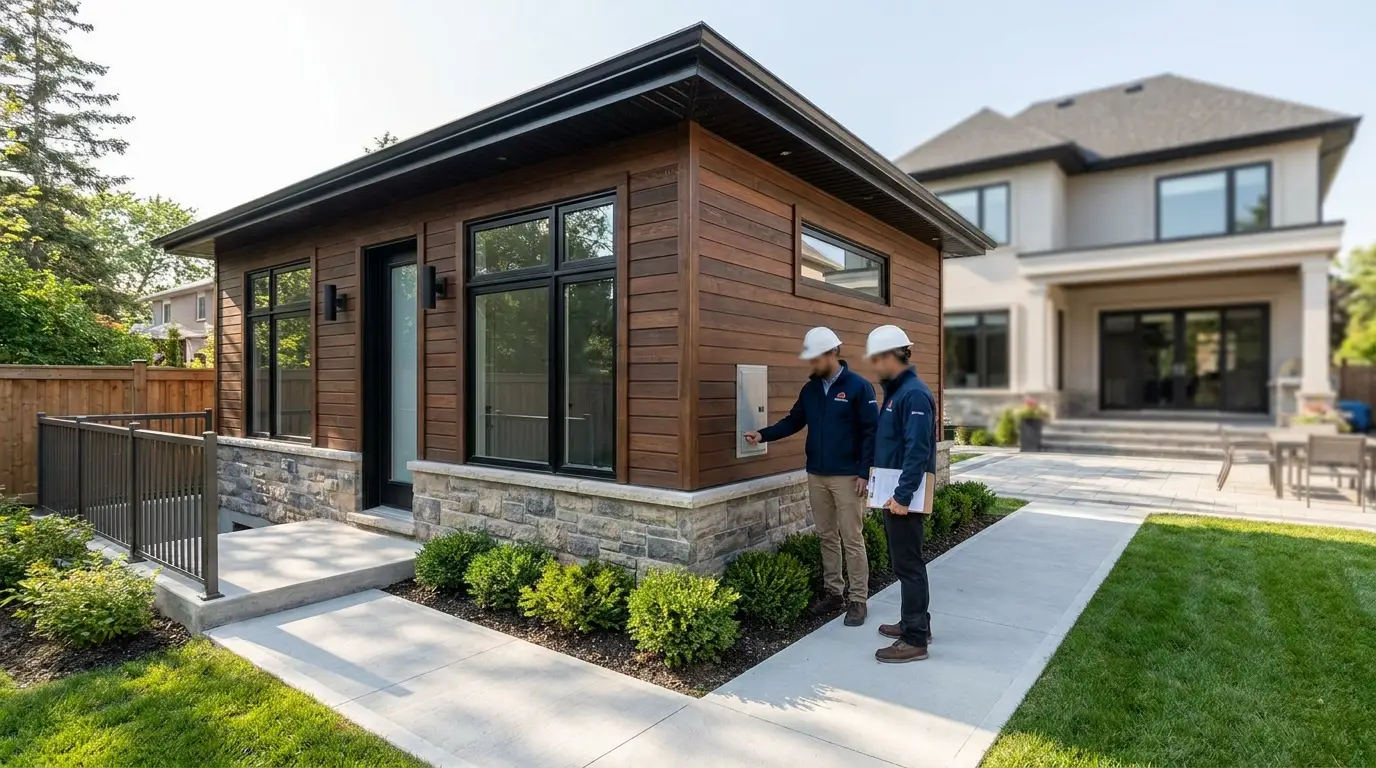
As housing demands rise in Brampton and its surrounding communities such as Toronto, Vaughan, and Mississauga, homeowners increasingly recognize the value of second suites. These self-contained residential units offer an effective way to enhance property value, provide safe housing options, and generate rental income. However, building second suites that comply with local zoning laws, permit requirements, and provincial building codes remains a complex task requiring a sophisticated understanding of legal compliance and residential safety. The Greater Toronto Area’s variable climate, including cold winters and humid summers, imposes additional challenges that influence material durability and construction techniques. This guide serves as an essential resource for property owners dedicated to developing second suites that meet safety standards and legal mandates, thereby protecting their investment and community wellbeing.
Understanding how to navigate Brampton’s property regulations and zoning laws is critical for homeowners considering a second suite addition. The local government’s efforts to regulate and register additional residential units ensure these spaces maintain structural integrity, fire safety, and habitability. Moreover, remodeling projects in cities like Oakville and Richmond Hill increasingly require adherence to increasingly stringent permit requirements, reinforcing the connection between professional oversight and successful projects. By following an informed master plan that integrates the right materials, design approaches, and legal frameworks, homeowners can ensure second suites contribute positively to their property’s long-term market value and neighborhood stability.
Understanding the Technical Foundations of Safe and Legal Second Suites in Brampton
The process of creating a legal second suite goes far beyond aesthetics and layout. Behind the walls and beneath the floors, intricate systems work in unison to guarantee occupant safety and code compliance. At the heart of these technical considerations lies the Ontario Building Code, which governs all structural, fire protection, and mechanical aspects of second suites. One must pay careful attention to fire separation between units, which often requires specialized framing and fire-resistant materials to mitigate the risk of fire spreading. This is particularly vital in dual occupancy homes where independent exits and safe escape routes must be clearly established.
Furthermore, moisture control and thermal insulation are particularly challenged in Brampton’s climate. Proper vapor barriers, airtight insulation, and high-grade subfloor materials are mandatory to prevent warping, mold growth, and deterioration due to humidity fluctuations. For example, conventional plywood subfloors frequently warp in the Toronto area’s wet summers; hence, firms recommend pressure-treated or engineered wood products to maintain structural integrity and longevity. Likewise, HVAC design in second suites must ensure adequate ventilation and heating efficiency without compromising the main dwelling’s systems. Modern energy codes also require sealing and performance testing to reduce air leakage that can lead to discomfort and higher utility bills.
Electrical and plumbing components require meticulous design and installation to adhere to safety codes and functional needs. Separate circuits and meters are often necessary, along with independent bathroom and kitchen plumbing lines. These systems must accommodate increased demand while preventing cross-connections or overloads. Ultimately, the technical vision for a second suite is a balance between regulatory compliance, occupant safety, materials suitability, and durability—all underpinned by detailed architectural and engineering planning tailored to the GTA’s unique environmental and legal landscape.
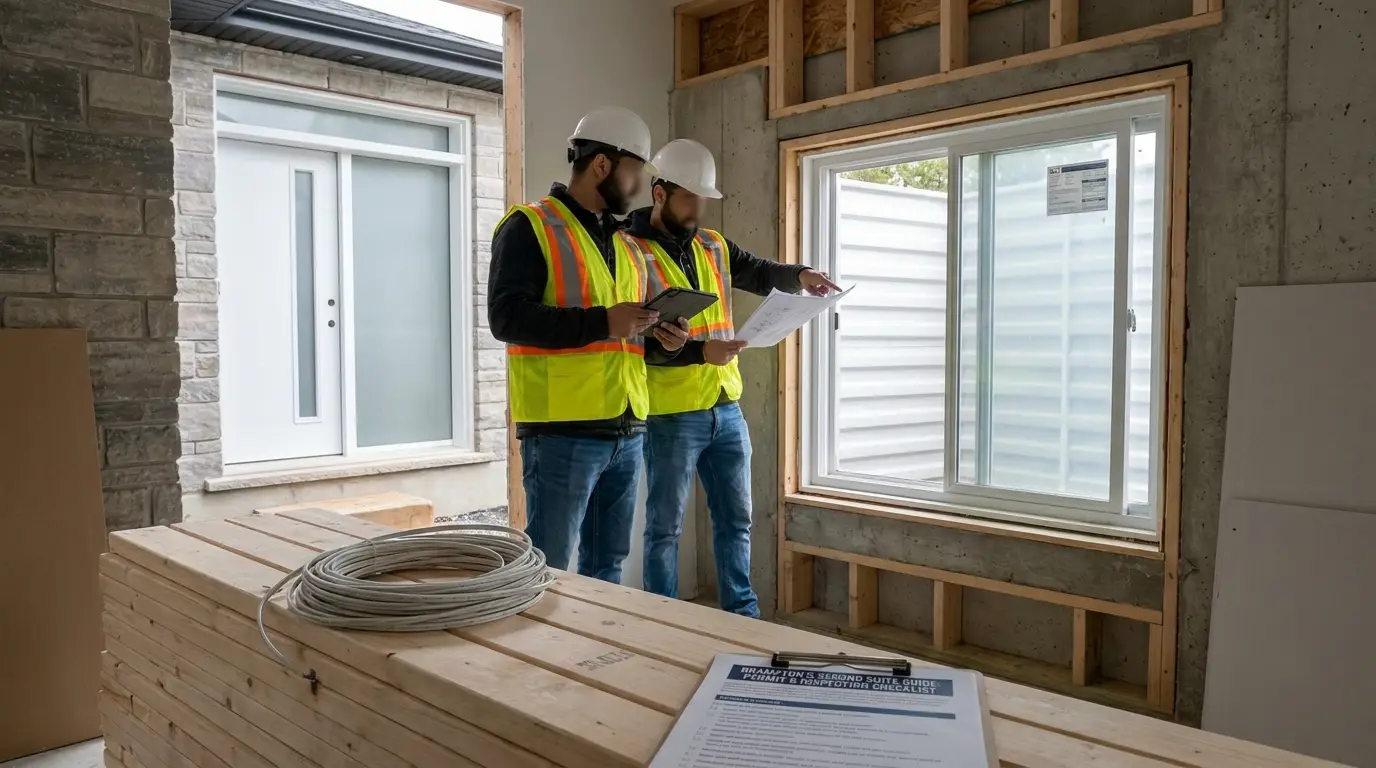
Key Contractor Recommendations for Building Second Suites That Last in Brampton
- Comprehensive Site Evaluation and Zoning Analysis: Before drafting plans, verify zoning bylaws specific to Brampton and adjacent municipalities like Richmond Hill. Confirm permissible second suite locations and parking requirements to avoid costly redesigns.
- Utilize Fire-Resistant Materials and Fire Separation Techniques: Employ materials such as fire-rated drywall and install fire separations using steel framing or fire stops to meet Ontario Building Code mandates and improve safety.
- Insist on Moisture-Resistant Subflooring: Choose pressure-treated plywood or engineered wood subfloors to combat Toronto area humidity. Implement vapor barriers and ensure proper insulation to prevent mold and structural damage.
- Design Independent HVAC and Ventilation Systems: Provide standalone heating and ventilation for the second suite to improve comfort and system efficiency without compromising the primary home’s HVAC performance.
- Plan Separate Electrical Circuits and Meters Where Needed: Safeguard tenant safety and utility metering accuracy by providing dedicated electrical panels and circuit breakers isolated from the main dwelling.
- Coordinate Permit Submissions with Detailed, Accurate Drawings: Prepare architectural and engineering drawings that address all municipal requirements to expedite permit approval.
- Engage Licensed Professionals for Inspections and Project Management: Ensure ongoing compliance during construction with expert oversight, which reduces rework risks and guarantees adherence to all safety codes.
- Consider Long-Term Maintenance in Design Choices: Select materials and finishes that are durable yet easy to maintain; avoid trendy designs that complicate repairs or replacements, especially given GTA weather cycles.
- Consult with Specialists on Fire Safety and Egress: Verify window sizes, exit routes, and smoke alarm placements conform to stringent fire safety standards.
- Integrate Sustainability where Possible: Use energy-efficient lighting, water-saving fixtures, and insulation upgrades to reduce environmental impact and future operating costs.
Pro Contractor Tip: In Brampton’s cold winters, incorporating a thermal break in framing around openings and strategically locating insulation reduces cold bridging and energy loss. This often goes unnoticed but dramatically improves suite comfort and longevity of framing materials.
The CNG Professional Solution for Legal Second Suites in Brampton
CNG Contracting offers comprehensive design, permit, and construction services tailored to Brampton’s legal and safety standards for second suites. By orchestrating every detail—from initial zoning assessments to final inspections—CNG assures homeowners that their projects not only meet legal compliance requirements but will remain durable and safe under GTA’s testing climate conditions.
Booking a Professional Diagnostic Visit with CNG introduces an onsite evaluation that identifies structural opportunities and potential compliance issues for the second suite. This visit fee is fully credited toward the final project cost, reflecting CNG’s commitment to transparent and value-driven service. The diagnostic approach ensures customized solutions that align precisely with each homeowner’s property, fostering a smooth progression through city permit processes specific to Brampton’s zoning laws.
As a trusted general contractor with years of experience managing residential projects across Toronto, Vaughan, Mississauga, and Brampton, CNG understands the critical nature of maintaining structural integrity, proper fire separation, and system independency in multi-unit dwellings. Their holistic approach reduces surprises during construction and positions homeowners for a seamless journey from concept to legal occupancy.
Comparing Second Suite Scenarios: Risks and Proactive Benefits for Brampton Homeowners
| Situation/Strategy | Risk Level | Proactive Benefit |
|---|---|---|
| Unauthorized unfinished basement suite without permits | High – potential fines, forced removal, safety hazards | Legal non-compliance risks avoided through permit acquisition and expert design. |
| Permitted suite with inadequate fire separation | Moderate – increased fire spread risk, insurance complications | Upgraded fire-resistant partitions reduce risk; peace of mind with insurance coverage. |
| Properly insulated and moisture-controlled unit using premium materials | Low – minimal risk of structural damage or mold | Improved durability and occupant comfort; long-term savings on maintenance. |
| Independent electrical and HVAC systems installed | Low – reduced system overload and tenant safety issues | Efficient utility management, easier troubleshooting, tenant satisfaction. |
| Failure to provide adequate parking spaces per zoning bylaws | Moderate – development permit delays, fines | Compliance ensures smooth approval and avoids costly legal intervention. |
Planning for a Safe and Legal Second Suite: Your Next Steps in Brampton
Embarking on a second suite project necessitates careful planning focused on safety, legality, and long-term value. Homeowners are encouraged to consult local experts equipped with knowledge of property regulations and permit requirements within Brampton and the broader Greater Toronto Area.
Prioritize the following actions: Engage professional drafting services to produce detailed layout plans, ensure all fire and egress provisions meet Ontario Building Code directives, and undertake a thorough site assessment to avoid zoning conflicts. Scheduling your initial diagnostic consultation with a reputable contractor expedites permit processing by catching potential issues early. Maintaining clear communication channels with municipal building departments throughout the process also helps circumvent delays.
With a methodical approach emphasizing quality materials and regulatory compliance, your second suite will serve as a valuable investment for years to come—offering flexible housing, increasing marketability, and adhering strictly to safety standards expected in Brampton, Oakville, Richmond Hill, and Mississauga.
Essential Technical Glossary for Second Suite Construction
- Fire Separation: A physical barrier, such as fire-rated drywall and framing, designed to prevent the spread of fire between dwelling units.
- Vapor Barrier: Material installed to prevent moisture migration within walls and floors, critical for mold prevention in humid climates.
- Thermal Break: An insulating material or method that reduces heat transfer between building components, enhancing energy efficiency and comfort.
- Independent HVAC System: A heating, ventilation, and air conditioning system isolated from the main house’s system to ensure functionality and occupant comfort within the suite.
- Zoning Bylaws: Municipal regulations that dictate land use, building placement, and minimum parking requirements for properties.
What are the key permit requirements for adding a second suite in Brampton?
Key permit requirements include compliance with local zoning bylaws, fire safety regulations such as fire separation and safe egress routes, minimum ceiling heights, adequate ventilation and natural lighting, and adherence to the Ontario Building Code. Documentation must be submitted through official channels to secure approval.
Can a second suite be constructed without professional help?
While minor renovations can be DIY, creating a legal and safe second suite involves complex permit processes, technical codes, and inspections that typically require professional expertise. Engaging a qualified contractor or designer increases the chances of a successful outcome.
What are the consequences of not obtaining proper permits for a second suite?
Building without proper permits can lead to fines, legal disputes, forced removal of the suite, and issues during property resale. Additionally, unauthorized units may pose serious safety hazards to occupants.
How does Brampton’s climate affect second suite materials and design?
The region’s cold winters and humid summers necessitate moisture-resistant materials, thermal breaks, and robust insulation to prevent structural damage, mold growth, and energy inefficiency. Choosing the right materials ensures the suite’s longevity and comfort.
Are independent utilities required for second suites?
Many jurisdictions recommend or require separate electrical and HVAC systems for second suites to maintain safety, ease of billing, and occupant comfort. This often depends on size and layout but is a common practice in GTA residential renovations.