
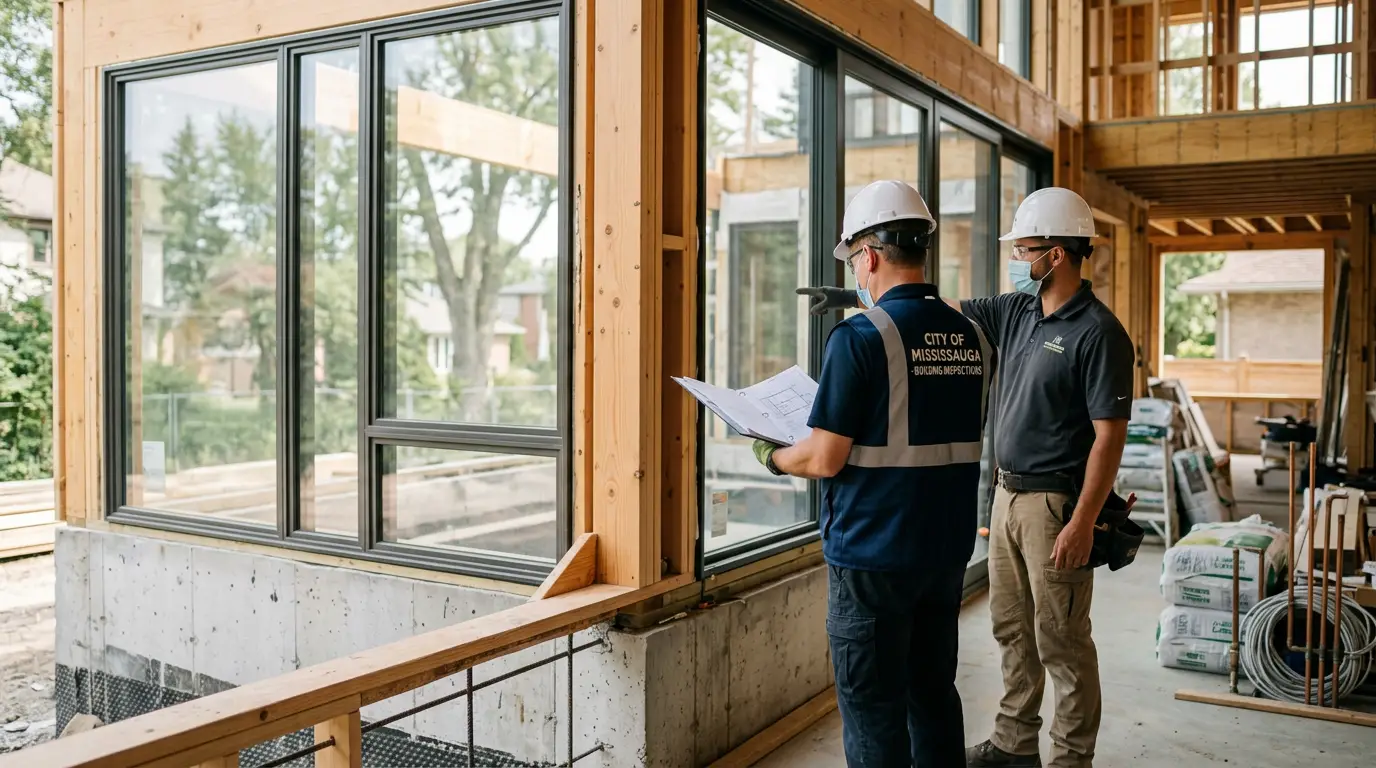
Building codes in Toronto and Mississauga play a pivotal role in shaping the quality, safety, and legality of residential and commercial construction. These regulations serve as the backbone of every project, ensuring that structures meet established safety standards while adapting to the evolving urban landscape and environmental challenges unique to the Greater Toronto Area (GTA). Homeowners and developers alike must navigate a complex interplay of provincial codes, municipal bylaws, and permit requirements that govern everything from structural integrity to energy efficiency and zoning restrictions.
Toronto and Mississauga experience varied weather patterns, from harsh winters with heavy snow loads to humid summers that influence building materials’ longevity. This makes compliance with construction regulations not merely a legal obligation but a strategic investment in the long-term durability of the property. Understanding how these codes operate and impact projects is essential for maintaining property value and ensuring occupant safety in this dynamic climate. The adherence to building codes is especially critical when undertaking significant renovations or constructing additions, as these often trigger rigorous inspection processes and require precise coordination with local zoning laws.
The Technical Framework Behind Building Codes in Toronto and Mississauga
At the core of Toronto and Mississauga’s building codes lies the Ontario Building Code (OBC), a provincial regulation that enforces minimum technical standards for construction and renovation. The OBC is heavily informed by the National Building Code of Canada but is crafted specifically to address Ontario’s unique climate, urban density, and architectural trends. Part 9 of the OBC, in particular, focuses on houses and small buildings, governing critical elements like structural loads, fire safety, egress, insulation, and ventilation.
Understanding this regulatory framework reveals what happens behind the walls during new construction or remodeling. For example, when converting a basement into a livable space, the code mandates properly sized egress windows to facilitate safe escape routes in emergencies. Structural alterations such as removing load-bearing walls require detailed engineering analyses to maintain load paths that support the building’s integrity, especially important in areas like Toronto with variable freeze-thaw cycles affecting foundation stability. Mechanical systems like HVAC installations must meet ventilation and energy efficiency standards outlined in recent code updates, reflecting contemporary expectations for indoor air quality and sustainability.
Locally, Toronto’s zoning bylaws complement the OBC by regulating land use, setbacks, lot coverage, and overall building height to protect neighbourhood character and ensure proper density management. These zoning restrictions work alongside the technical safety requirements of the OBC. A typical renovation project thus involves a detailed review process where both code compliance and zoning feasibility are evaluated, requiring precise documentation and a strong understanding of how these layers interact to avoid costly delays or redesigns.
Essential Steps for Managing Building Code Compliance in Residential Projects
- Define Project Scope and Compliance Triggers: Begin by clearly identifying the elements of your renovation or construction. Structural changes, new habitable spaces, or mechanical upgrades almost always require permits and strict adherence to the Ontario Building Code.
- Consult Zoning Bylaws Early: Assess setback requirements, lot coverage limits, and height restrictions in Toronto or Mississauga to align your project with municipal planning goals, avoiding complications with the Committee of Adjustment.
- Engage Qualified Designers and Engineers: Partner with BCIN-certified designers or structural engineers who understand Part 9 requirements, ensuring accurate drawings and reports are prepared for permit submissions.
- Prepare Comprehensive Permit Documentation: Submit detailed site plans, structural calculations, mechanical and plumbing schematics, and specifications to facilitate smooth technical reviews by municipal officials.
- Navigate the Permit Review Process Proactively: Respond promptly to review comments, provide supplementary documentation if requested, and remain flexible to address any code interpretation clarifications.
- Plan for Staged Inspections: Coordinate inspections during construction phases to validate compliance, anticipating any mid-project adjustments that may arise from inspectors’ feedback.
- Implement Enhanced Energy and Fire Safety Measures: Integrate the latest 2024 OBC requirements such as improved insulation, airtight construction, and fire separation standards for secondary suites to future-proof your property.
- Understand Minor Variances and Committee of Adjustment Procedures: When zoning limits are restrictive, prepare a compelling case for minor variances supported by scale drawings and impact assessments to expedite approvals.
- Maintain Detailed Records and Documentation: Preserve comprehensive project files including all permits, drawings, inspection reports, and approvals, critical for resale and future renovations.
- Consult a Design-Build Partner to Streamline Coordination: Working with integrated teams reduces fragmented communication, expedites permit approvals, and aligns construction with design intent and local regulatory expectations.
For an advanced insight, a thorough pre-application zoning and code feasibility review can dramatically reduce permit review cycles. By anticipating typical municipal concerns, such as egress compliance or lot coverage limits, you position projects for smoother pathway through bureaucracy, avoiding costly revisions when construction is underway.
How CNG Contracting Ensures Code-Compliant and Timely Construction Solutions
CNG Contracting leverages a comprehensive approach to navigating complex construction regulations in Toronto and Mississauga. The team emphasizes integrated design-build strategies that unify design, engineering, and construction under one accountable umbrella. This approach minimizes miscommunication between stakeholders and accelerates the permitting process, which is vital given the technical scrutiny in today’s regulatory environment.
Every project begins with a Professional Diagnostic Visit, a critical on-site evaluation that identifies all relevant code and zoning triggers. Notably, this diagnostic fee is credited toward the final project, ensuring homeowners invest in clarity and expert guidance without financial duplication. This initial visit provides a strategy map for compliance with the Ontario Building Code, city zoning bylaws, and inspection requirements, and helps avoid surprises that typically cause delays or added costs.
Whether it’s a basement conversion requiring proper egress windows, or extensive HVAC upgrades to meet mechanical ventilation codes, CNG Contracting coordinates with certified professionals and municipal authorities to align every aspect of the build with the highest safety standards. With tailored solutions spanning Toronto, Vaughan, Mississauga, and surrounding communities, the focus remains on durability, legal compliance, and preserving long-term property value.
Engage with CNG Contracting for a smoother permit process, expert project management, and investments that bring lasting benefits. Explore more about our project management services and how we help clients optimize value through strategic planning and local expertise.
Comparing Common Building Code Compliance Scenarios in Toronto and Mississauga
| Situation/Strategy | Risk Level | Proactive Benefit |
|---|---|---|
| Adding a Second-Storey Addition Without Permit | High – Structural failure risk and legal penalties | Ensures structural integrity and legal compliance, preserving property value |
| Basement Conversion with Proper Egress Windows | Low – Meets fire safety and egress requirements | Enhances occupant safety and increases usable space with legal certification |
| Replacing Windows Without Considering Energy Code Updates | Medium – Reduced energy efficiency and possible code violations | Upgrades thermal performance reducing operating costs and aligns with 2024 OBC |
| Ignoring Setback Requirements in Renovation | High – Possible stoppage orders and forced redesign | Ensures project approval and neighbour relations by respecting zoning laws |
| Utilizing Integrated Design-Build Team for Permit Submissions | Low – Streamlines approvals and reduces construction delays | Minimizes revisions, accelerates occupancy certification, and manages budgets effectively |
Understanding the detailed inspection process and permit requirements early in the project lifecycle significantly improves outcomes and reduces surprises during construction, especially in dense urban centres such as Toronto and Mississauga.
The 2024 Ontario Building Code revisions underscore a greater emphasis on energy efficiency, occupant safety, and accessibility — crucial elements influencing future residential and commercial projects in the GTA.
Professional Call to Action for GTA Homeowners and Developers
Mitigating risk and navigating the often complex building codes and zoning laws in Toronto, Mississauga, and the greater GTA requires seasoned expertise and a clear plan. Contact CNG Contracting at (647) 669-7346 or visit our Contact Us page to schedule your Professional Diagnostic Visit. This initial assessment will diagnose your project’s compliance needs and map a path toward lasting structural integrity and legal certainty, with the visit fee credited toward your final investment.
Building Code Technical Glossary
- Egress: A clear and accessible route for occupants to safely exit a building in case of emergency, often mandated to meet minimum width and height standards.
- Load-Bearing Wall: A structural wall that supports weight from the roof and upper floors, requiring careful engineering review before modification or removal.
- Lot Coverage: The proportion of a property lot occupied by buildings and impermeable surfaces, regulated by zoning bylaws to control density and runoff.
- BCIN Designer: A professional certified under the Building Code Identification Number system, qualified to prepare and submit designs compliant with the Ontario Building Code.
- Minor Variance: A formal approval process allowing slight deviations from zoning restrictions when the request meets statutory tests for desirability, minor impact, and intent preservation.
Do I need a building permit for a basement renovation in Toronto?
Yes, most basement renovations that convert the space into habitable areas require a permit to ensure compliance with the Ontario Building Code’s egress, fire separation, and mechanical ventilation standards.
How long does the building permit process take in Mississauga?
Permit timelines can vary; simple projects often take a few weeks, but more complex ones involving zoning variances or heritage reviews may extend to several months.
Can I remove a load-bearing wall without professional input?
Removing load-bearing walls requires structural engineering approval and permit submission to maintain the building’s structural integrity and comply with safety standards.
What are the risks of ignoring zoning laws during a renovation?
Ignoring zoning regulations can lead to stop work orders, forced redesigns, and even fines, ultimately delaying completion and increasing costs.
How do the 2024 Ontario Building Code updates affect energy efficiency?
The 2024 updates increase insulation requirements and mechanical system standards, thus improving overall energy performance and reducing long-term heating and cooling costs.