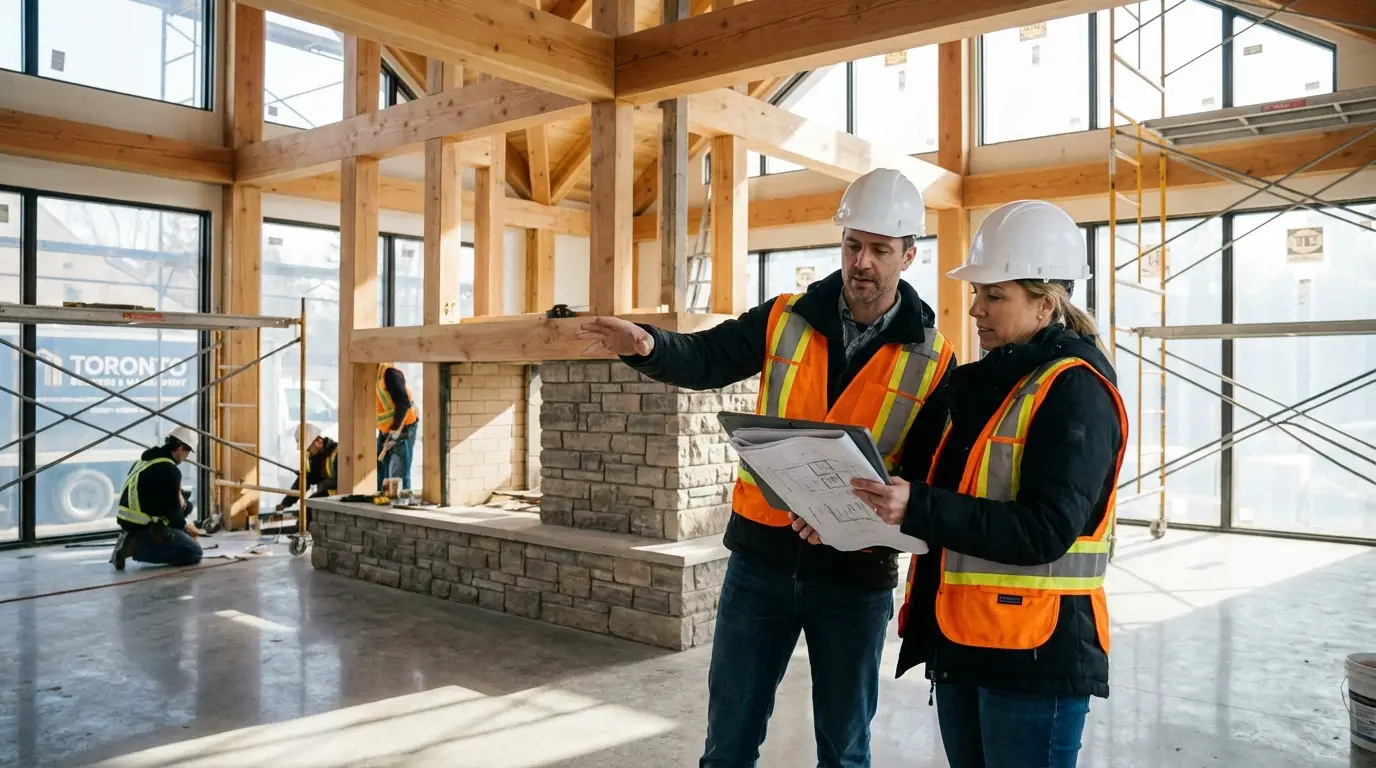
Professional project management stands as the backbone of successful construction initiatives, especially in the dynamic and demanding environment of the Greater Toronto Area and its surrounding cities like Vaughan, Mississauga, and Richmond Hill. Construction projects in these regions grapple with the dual challenges of a fluctuating climate and a complex urban fabric, demanding meticulous planning and robust coordination across multiple stakeholders. Local weather variations, from harsh winters to humid summers, play a decisive role in material selection and scheduling, underpinning the need for a management approach that integrates technical precision with strategic foresight.
In the competitive landscape of construction, project management transcends mere oversight—it embodies a holistic orchestration of resources, timelines, and quality controls aligned to long-term property value. As modern homeowners and commercial developers seek not just structures but durable, efficient, and valuable assets, a professional project management framework in construction emerges as an essential service. This approach ensures resilience against climate impacts, adherence to municipal regulations, and seamless communication between all involved parties—from architects and tradespeople to clients and inspectors.
Understanding the Technical Foundations of Construction Project Management
Behind every successful construction project lies a sophisticated mesh of technical operations that project management must navigate. It begins with comprehensive site analysis and resource allocation, calibrated against environmental conditions unique to Southern Ontario’s urban sprawl. For instance, the choice of subfloor materials must consider Toronto’s seasonal humidity swings to avoid warping and premature failure. This technical forethought safeguards the structural integrity of the build from the outset.
Technical management further extends into precise scheduling and budgeting, where each phase is dissected into detailed tasks coordinated through advanced software platforms tailored for construction workflows. Professional project management integrates risk assessment mechanisms, identifying potential bottlenecks such as supply chain disruptions, labor variability, or safety compliance issues governed by Ontario’s regulatory landscape. The ability to optimize these factors in real time not only mitigates delays but aligns project outcomes with rigorous building code adherence.
Moreover, quality control lies at the heart of project management, involving systematic inspection regimes and standard operating procedures that oversee material quality, installation practices, and final finishing. These controls are critical in dense metropolitan areas like Brampton and Oakville, where evolving zoning laws and permit requirements introduce additional layers of complexity. Deep technical expertise ensures that these constraints do not compromise the project flow but are integrated seamlessly into the project blueprint.
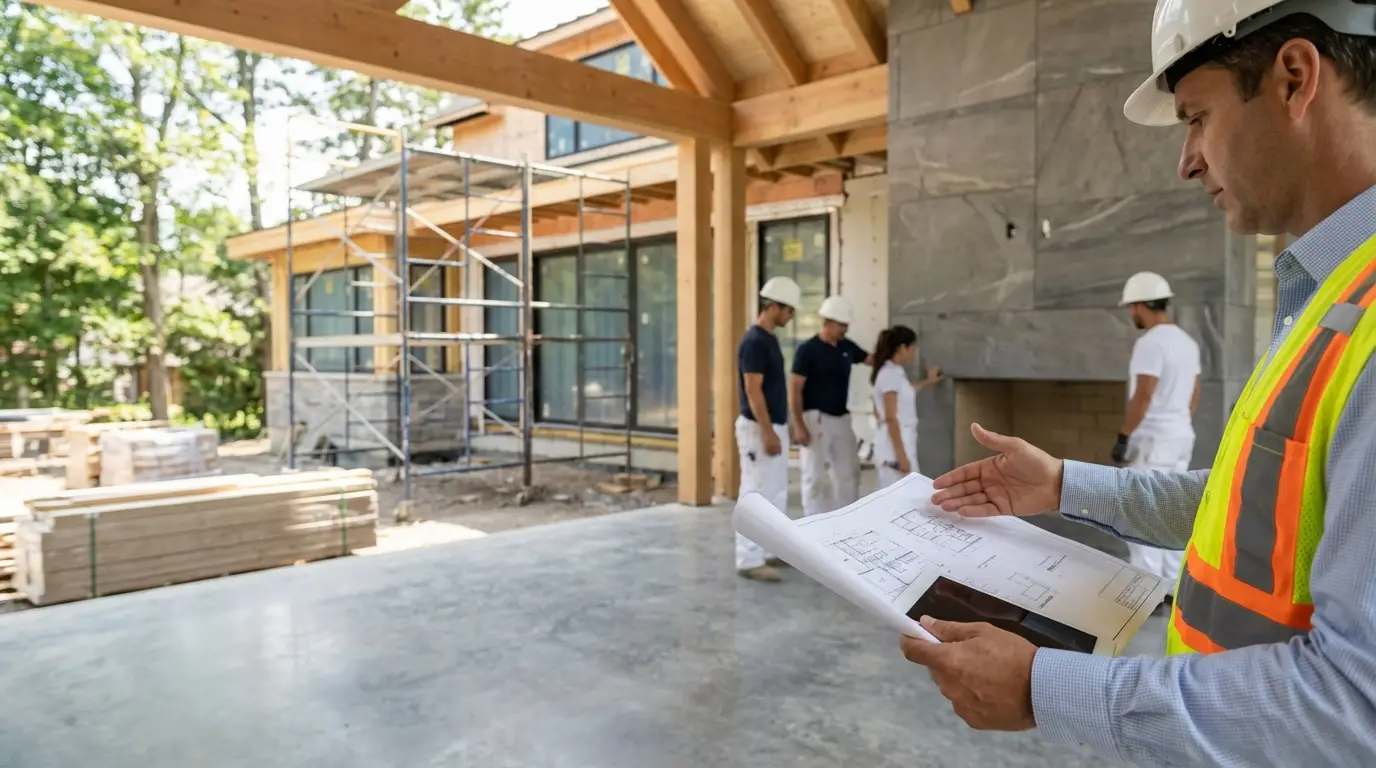
Seven Essential Steps for Contractor-Level Excellence in Project Management
- Accurate Initial Diagnostics: Conduct a thorough on-site assessment to identify project constraints early. This involves understanding the site’s geological, environmental conditions, and the client’s vision for long-term value.
- Rigorous Scheduling: Develop a detailed, flow-based schedule, incorporating adaptive buffers for weather delays and procurement lead times common in Toronto and surrounding municipalities.
- Optimized Resource Allocation: Strategically assign labor and materials to maximize productivity while minimizing waste, accounting for the variability seen across different GTA neighborhoods.
- Engaged Stakeholder Communication: Facilitate transparent, consistent communication channels between homeowners, municipal authorities, subcontractors, and suppliers to ensure alignment and swift issue resolution.
- Proactive Risk Management: Implement dynamic risk registers and contingency protocols that anticipate disruptions from climate factors or supply delays, reducing project overruns.
- Strict Quality Control Processes: Deploy ongoing inspections and acceptance tests aligned with Ontario building codes, ensuring every build component meets or exceeds standards.
- Integrated Documentation and Compliance: Maintain meticulous records and manage construction permits and inspections, critically important for structures within Greater Toronto’s evolving regulatory framework.
- Adaptive Problem Solving: Empower field leaders to identify emerging challenges and pivot schedules or workflows without compromising overall project goals.
- Continuous Improvement Feedback Loop: Collect data on project metrics and stakeholder feedback to refine future project management strategies for increased efficiency and durability.
- Leveraging Technology: Implement project management tools that integrate scheduling, budgeting, and communication, enhancing transparency and accountability across the project lifecycle.
Professional insight: In inspections, a subtle but critical sign often missed is the misalignment of trade deliveries in relation to the weather forecast. Adjusting the schedule proactively based on weather patterns in the GTA can prevent material damage and costly work stoppages—an insider tip for keeping projects on track and within quality parameters.
The Strategic CNG Contracting Approach to Construction Project Management
At the core of CNG Contracting’s service lies a commitment to elevating project management beyond standard practice. We start with a comprehensive Professional Diagnostic Visit—a detailed evaluation that identifies potential risks, resource needs, and regulatory considerations specific to Toronto, Vaughan, or Mississauga environments. This diagnostic fee is fully credited toward the final project cost, offering homeowners and developers a risk-free step into professional project oversight.
Our methodology emphasizes coordinated collaboration across all trades, fostered through structured scheduling routines and real-time communication. This approach ensures that work flows seamlessly, addressing issues before they become delays. Integrated risk management, combined with rigorous quality control, reinforces structural integrity and compliance with municipal standards.
We also invest in continuous technology upgrades, leveraging industry-leading software to give our teams and clients transparent access to project timelines and budget utilization. The result: efficient project delivery that strengthens your property’s market value and durability, well suited to the urban realities of Oakville or Brampton neighborhoods.
By entrusting your project to CNG Contracting, you secure not just a service provider but a dedicated partner focused on maximizing your investment through expert project management grounded in local expertise and proven technical rigor.
Comparing Common Project Management Strategies and Their Impact on Construction Success
| Situation/Strategy | Risk Level | Proactive Benefit |
|---|---|---|
| Isolated Trade Scheduling | High | Leads to conflicts, delays, and resource clashes. Lack of flow impacts entire project timeline. |
| Collaborative Integrated Scheduling | Low | Ensures smooth trade coordination, reduces rework, and maintains steady progress. |
| Reactive Problem Solving | High | Often causes compounded delays; issues escalate before solutions are deployed. |
| Proactive Risk Assessment and Mitigation | Low | Identifies potential disruptions early and implements contingency plans, preserving schedule integrity. |
| Minimal Documentation and Communication | High | Results in misunderstandings, scope creep, and compliance failures. |
Discover How Professional Project Management Transforms Your Construction Experience
In an industry where delays and cost overruns are common, professional project management stands as the essential pillar to deliver timely, high-quality construction outcomes. By choosing a structured planning and scheduling framework, homeowners and developers in the Toronto metropolitan area safeguard their investments and align execution with evolving market standards.
The integration of advanced budgeting techniques and precision-focused resource allocation minimizes waste and maximizes value, enhancing not only immediate project deliverables but long-term property durability and appeal. Such a disciplined approach requires a partner capable of navigating Ontario’s complex regulatory environment while adapting to unpredictable climate conditions.
Engaging professional project management means ensuring every stakeholder—from subcontractors to municipal inspectors—works in harmony towards clear objectives. For personalized service and expert guidance, consider booking a diagnostic visit with CNG Contracting to explore tailored solutions for your specific construction needs in Mississauga, Richmond Hill, or Oakville.
For more insights on optimizing your project, explore our resources on kitchen renovations and innovations in modernizing historic Toronto properties. These examples illustrate how proficient project management integrates design ambitions with practical constraints.
Key Terminology in Construction Project Management Demystified
- Takt Planning: A Lean construction scheduling method designed to produce consistent workflow and reduce variability by aligning work tasks with defined time increments.
- Risk Register: A document that identifies potential project risks, their impact, likelihood, and mitigation measures to proactively manage uncertainties.
- Resource Allocation: The strategic distribution of labor, equipment, and materials to optimize productivity and minimize downtime.
- Quality Control: Systematic processes ensuring materials and workmanship meet specified standards throughout the project lifecycle.
- Stakeholder Communication: The structured exchange of information among all parties involved, ensuring transparency and aligned expectations.
What distinguishes professional project management from basic construction supervision?
Professional project management involves comprehensive planning, risk assessment, and coordination beyond simple oversight to ensure a project’s timely completion, budget adherence, and quality standards.
How does project management improve resilience against Ontario’s climate in construction?
By integrating weather-responsive scheduling and selecting climate-appropriate materials, project management mitigates risks from humidity, frost, and temperature swings, enhancing structural durability.
Why is communication critical between all construction stakeholders?
Effective communication prevents misunderstandings, reduces delays, and aligns diverse parties towards common goals, which is vital for complex projects in busy GTA environments.
Can project management techniques reduce construction delays and costs?
Yes, strategic scheduling, proactive risk management, and quality control reduce unforeseen delays, rework, and budget overruns, improving overall efficiency and cost-effectiveness.
What should homeowners expect from a professional diagnostic visit?
A diagnostic visit provides a detailed on-site assessment identifying opportunities, risks, and planning considerations, and the fee contributes toward the final project investment.