
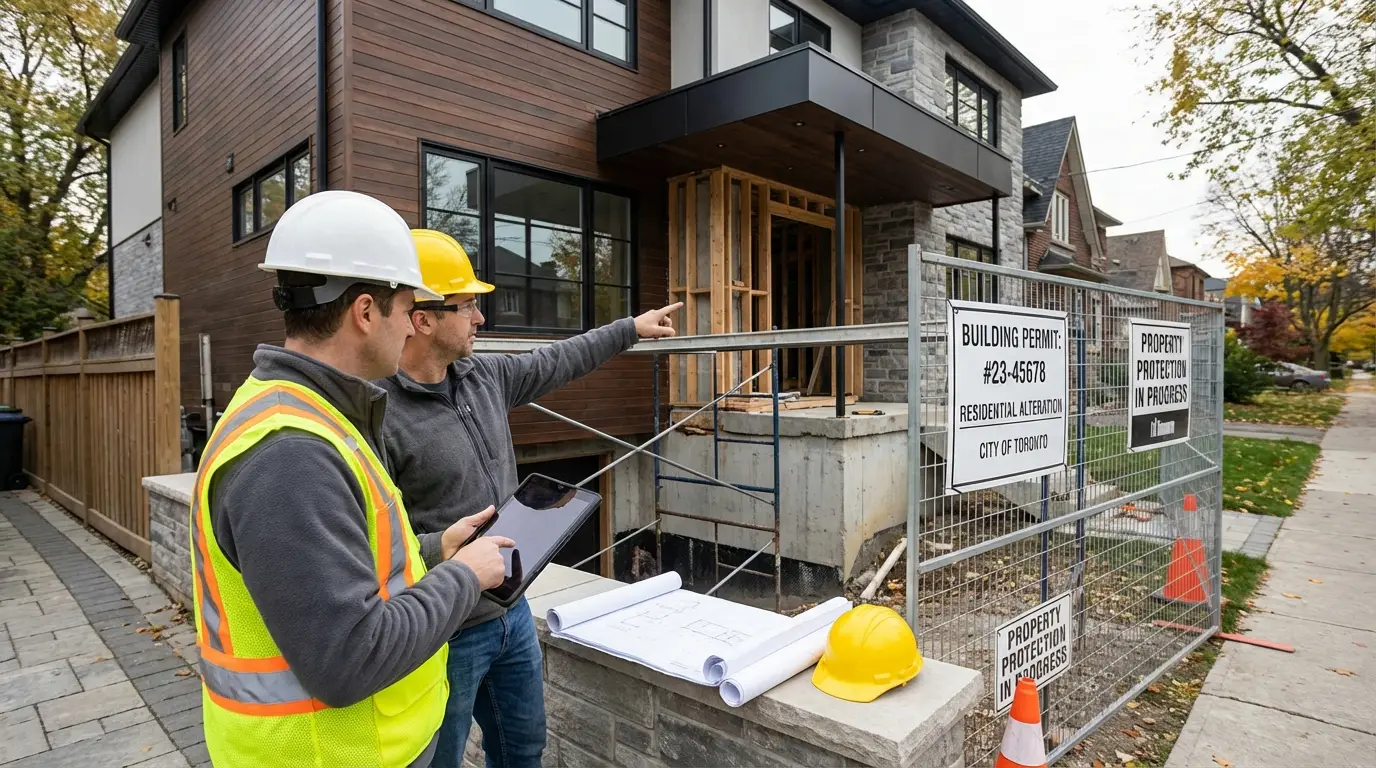
Homeowners across the Greater Toronto Area often face the temptation to bypass the building permit process for various reasons—be it to save time, reduce initial costs, or simply due to the misconception that small projects don’t require such oversight. However, failing to secure the proper permits can result in significant consequences that extend far beyond the initial inconvenience of paperwork. With the GTA’s climate posing unique challenges—from humid summers to cold, damp winters—ensuring your property complies with local construction regulations becomes essential to safeguard its value and integrity.
Whether you reside in Toronto, Vaughan, Mississauga, Brampton, Oakville, or Richmond Hill, unpermitted work can severely undermine your investment. The impact is two-fold: not only does it jeopardize the physical safety and structural soundness of your home improvement projects, but it also threatens future real estate value and exposes you to legal complexities. Keeping building permits front and center in your construction plans is a critical step toward asset safety and long-term property protection in Ontario’s dynamic housing market.
Understanding the Technical Importance of Building Permits in Asset Protection
The technical rationale behind building permits often escapes homeowners, who may view permits as bureaucratic hurdles rather than essential safeguards. However, behind every permit is a comprehensive system of inspections and approvals that ensure construction projects comply with the rigorous building codes designed to maintain safety and quality standards. These codes address crucial factors such as structural integrity, fire safety, electrical systems, plumbing, and energy efficiency. In the GTA, where unpredictable weather conditions test building durability, permit requirements include considerations specific to the region’s climate challenges.
Buildings in this area must withstand fluctuating temperatures, humidity, and the freeze-thaw cycle—each of which can cause materials to expand, contract, warp, or deteriorate prematurely if not properly selected and installed. For example, subfloor materials chosen without adherence to local codes might warp under Toronto’s humid summer months, compromising flooring stability and interior comfort. Permit enforcement ensures that contractors use suitable materials and construction methods, which support the longevity of your home.
Beyond material selection, building permits regulate zoning compliance, ensuring that additions, renovations, or exterior work align with land use plans and community standards. This avoids conflicts such as encroachments into setback requirements or inappropriate structural elevations that could compromise neighboring properties or city infrastructure. Local inspectors offer professional oversight, conducting rigorous site visits to confirm that all work meets building codes and safety regulations. These inspections check for hidden issues like improper electrical wiring or inadequate load-bearing supports, which, if left unchecked, could result in costly repairs or hazardous living conditions down the line.
In essence, building permits form the backbone of ensuring that your property improvements not only look good but also stand the test of time and environmental pressures. Ignoring this step risks undermining the structural and financial foundation of one of your most significant investments. Keeping compliance at the core of your project plans demonstrates foresight and professionalism, qualities that benefit every home or commercial project throughout Toronto, Vaughan, and surrounding areas.
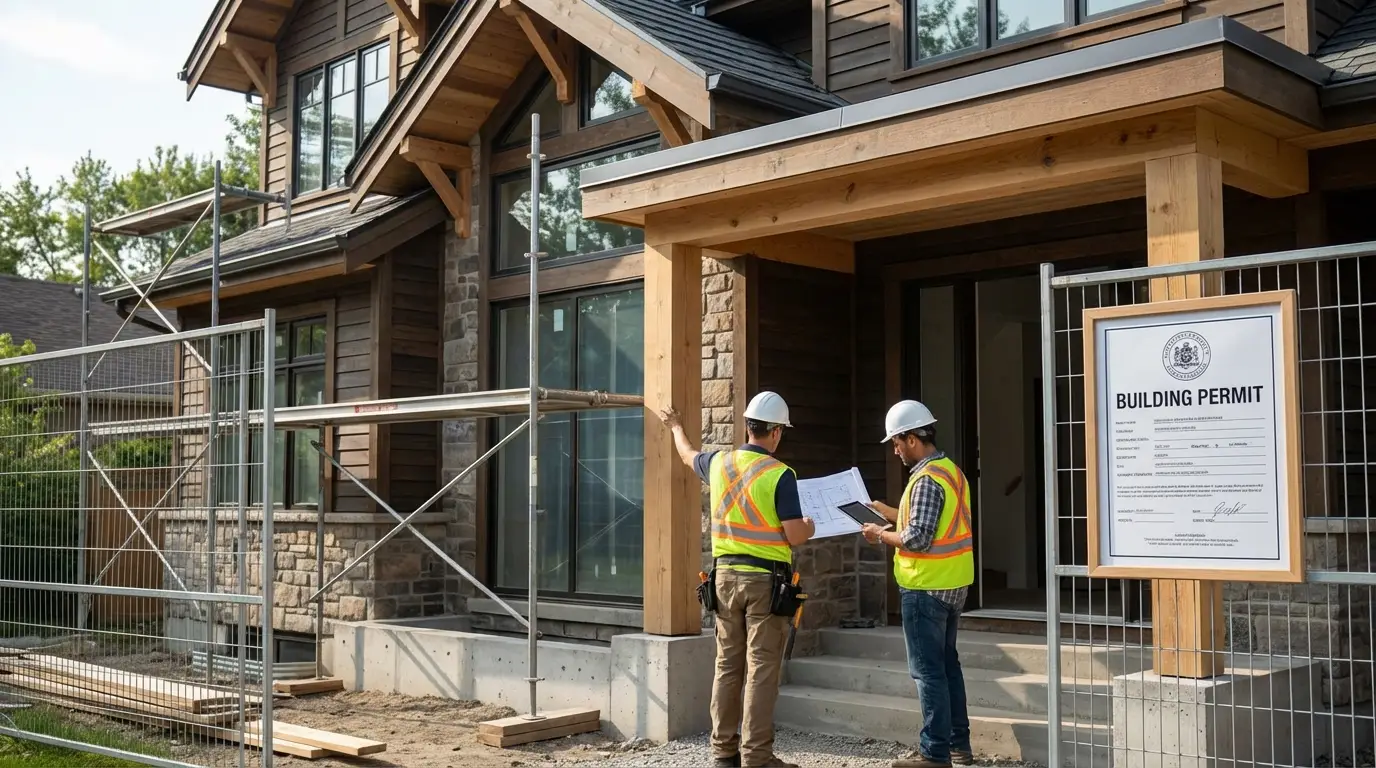
Strategic Steps to Ensure Proper Building Permit Compliance for Your Construction Project
- Start with a clear project plan: Before breaking ground, thoroughly outline the scope of your renovation or construction. This clarity helps identify permit requirements early.
- Consult your local building department: Every municipality within the GTA may have nuanced regulations. Engage early with authorities in Toronto, Mississauga, or Richmond Hill to confirm the specific permits needed.
- Hire qualified professionals: Trusted contractors in the area are familiar with permit processes and will handle submissions, inspections, and documentation efficiently.
- Secure all necessary permits before work begins: Begin construction only after permits have been approved to avoid project delays and legal enforcement actions.
- Maintain detailed documentation: Keep thorough records of all permits, inspection reports, and communications with city officials to demonstrate compliance during resale or refinancing.
- Schedule and pass all required inspections: Prepare for multiple inspections at different project stages, such as framing, electrical, and final occupancy to ensure all aspects meet code requirements.
- Address any code violations promptly: If inspectors identify issues, remedy them with urgency and maintain transparent communication with authorities to avoid penalties.
- Understand which projects may be exempt from permits: Some minor home improvement tasks, like cabinetry installation or painting, typically don’t require permits, but always verify locally to avoid accidental non-compliance.
- Leverage technology where possible: Digital permit submission platforms can simplify and expedite the approval process, reducing administrative burdens.
- Plan for permit fees as part of your project budget: Though fees vary across municipalities, accounting for them upfront ensures smoother planning and avoids unexpected financial surprises.
These steps constitute a master plan—a comprehensive approach that prioritizes asset safety above shortcuts. Ensuring each phase respects construction regulations reduces risk and maintains confidence in your property’s ongoing value, whether for your family’s use or future sale in vibrant markets like Oakville or Brampton.
Building Permits Quiz
Insider Contractor Pro-Tip for Navigating GTA Permit Enforcement
One advanced approach to reduce permit-related delays is to conduct a pre-inspection walkthrough with a qualified inspector before submitting your permit application. This gives you the opportunity to identify potential code issues early, adjust your plans accordingly, and avoid costly revisions. In the GTA’s fast-paced market, particularly in places like Mississauga or Vaughan, this proactive strategy optimizes timeline management and protects your real estate value from unexpected permit enforcement interruptions.
The CNG Expert Approach to Building Permit Compliance and Project Success
At CNG Contracting, our approach integrates deep knowledge of Toronto and GTA construction regulations with hands-on experience managing municipal permit processes. We guide clients through every step—from the initial consultation to the final inspection—ensuring your entire project meets all inspection requirements and construction codes. Rather than viewing permits as obstacles, we regard them as essential safeguards for property protection and investment longevity.
Residents in Vaughan, Mississauga, Brampton, and Oakville benefit from our comprehensive management of permits for diverse projects, including kitchen renovations, bathrooms upgrades, and exterior work. Our team’s expertise allows us to expedite approvals while anticipating specific local nuances that could impact permit status.
To begin safeguarding your home or commercial asset immediately, we recommend booking a Professional Diagnostic Visit. This on-site assessment identifies potential code concerns, advises on strategy to meet municipal requirements, and accurately scopes project needs. Importantly, the Diagnostic Visit fee is fully credited toward the final project cost, translating this initial step into a strategic investment rather than an added expense. Learn more about our full renovation services and how we integrate permit management seamlessly into construction workflows by visiting our company site.
Technical Comparison: Building Permit Scenarios, Risk Levels, and Benefits
| Situation/Strategy | Risk Level | Proactive Benefit |
|---|---|---|
| Complete permit acquisition before starting project | Low | Ensures smooth inspections and legal compliance |
| Begin construction without permits expecting retroactive approval | High | Risk of stop-work orders, fines, and costly corrective work |
| Partial permitting for main structural elements only | Medium | Reduces risk but may trigger additional scrutiny on unpermitted work |
| Avoid permits on projects deemed ‘minor’ without verification | High | Violation of local codes leading to legal and financial penalties |
| Consult local authorities and qualify projects upfront | Low | Improves approval speed and minimizes unexpected inspections |
Take Professional Action to Secure Your Asset and Avoid Permit Risks
Homeowners and developers in Toronto and the surrounding GTA communities are encouraged to plan construction projects thoroughly by incorporating permit requirements as a foundational step. Failure to comply with these construction regulations can jeopardize both safety and investment value.
For those requiring assistance with permits or seeking expert advice tailored to local expectations, contact the CNG Contracting team. Call (647) 669-7346 or visit our Contact Us page for personalized guidance. Securing building permits is not merely adherence to bureaucracy—it’s a commitment to asset safety and a shield against future complications often encountered during real estate transactions or insurance claims.
Understanding building permit requirements is vital in the GTA to protect your home improvement investment and adhere to legal compliance. This video dives into common permit pitfalls and how to avoid them.
Insights from local experts highlight the importance of following construction regulations, including permit processes essential to safeguarding property safety in fast-growing areas like Mississauga and Oakville.
Glossary of Key Terms Related to Building Permits and Property Protection
- Building Permits: Official approvals required from local authorities before construction begins, ensuring compliance with safety and zoning regulations.
- Inspection Requirements: Mandatory on-site reviews during various phases of construction to verify adherence to building codes.
- Zoning Regulations: Rules that govern land use and building dimensions within specific geographical areas to maintain community standards.
- Permit Enforcement: Actions taken by municipalities to regulate and penalize non-compliance, including stop-work orders and fines.
- Asset Safety: The protection of a property’s structural integrity, legal status, and market value through adherence to construction regulations.
Can I start minor renovations without obtaining a building permit?
While some minor tasks like painting or cabinetry installation often do not require permits, it is crucial to check with your local building department because requirements vary across GTA municipalities. Starting without verification can result in penalties or forced corrections.
What are the risks of unpermitted construction in the Greater Toronto Area?
Risks include legal fines, forced demolition, difficulties selling the property, insurance claim denials, and potential safety hazards due to non-compliant work.
How can I resolve work already completed without permits?
The process known as retroactive permitting involves submitting documentation for inspection, potential opening of walls or foundations for verification, and compliance adjustments. Engaging local authorities early reduces stress and penalties.
Does obtaining a building permit affect my project timeline significantly?
While permit processing adds time upfront, it prevents costly interruptions such as stop-work orders and rework, ultimately facilitating smoother project completion.
What role do professional contractors play in securing permits?
Experienced contractors understand local permit requirements and manage application processes, inspections, and code compliance, saving homeowners time and mitigating risks.