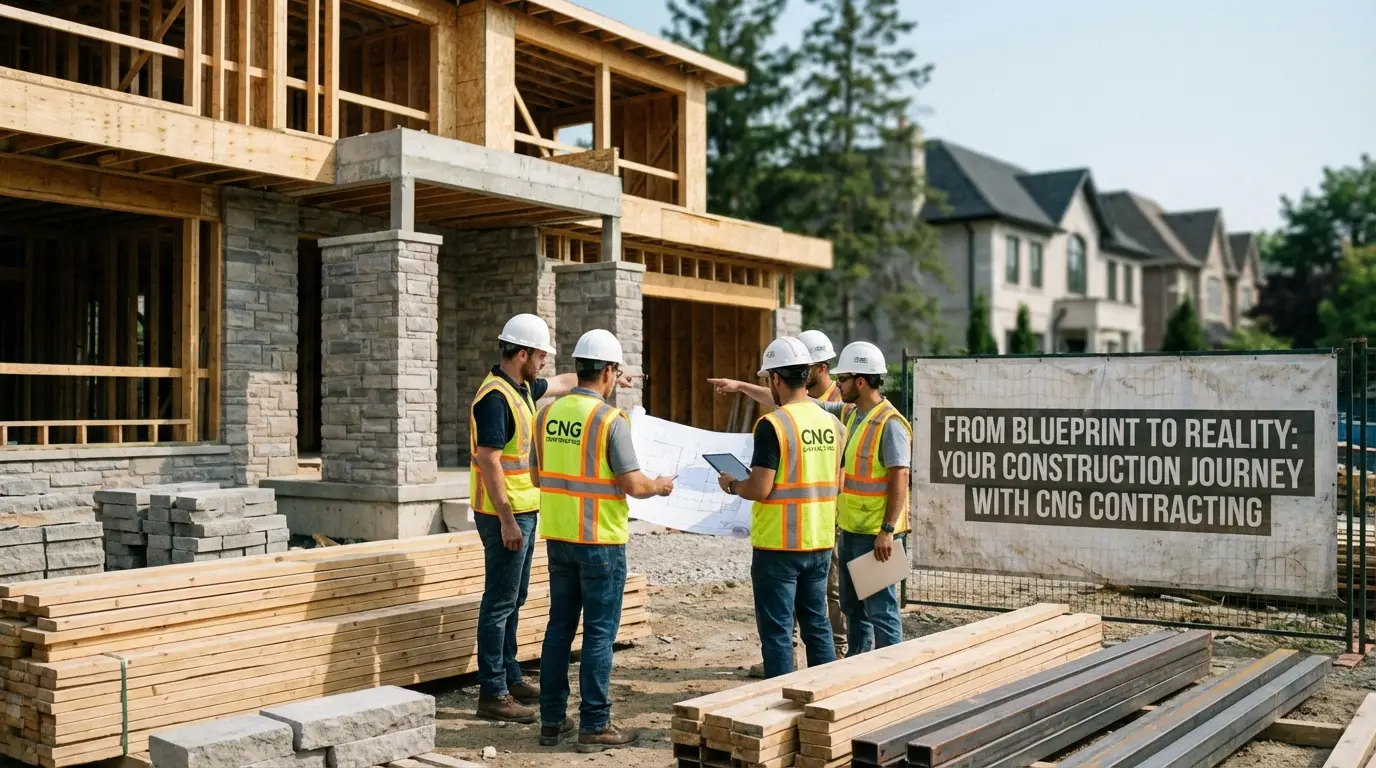
Transforming architectural blueprints into a completed structure involves comprehensive planning and flawless execution, particularly within the dynamic climate and urban environment of the Greater Toronto Area (GTA). Homeowners in locations such as Toronto, Vaughan, Mississauga, Brampton, Oakville, and Richmond Hill face unique challenges that demand more than just a basic construction approach—expert coordination and strategic planning become paramount for sustained investment value.
With fluctuating weather patterns, rising material standards, and evolving local building codes, the construction journey requires expertise that harmonizes design intent with practical durability. The pivotal role played by a seasoned general contractor enables this transformative process, guiding clients from the preliminary concept to the finishing touches, always with a focus on structural integrity and long-term asset preservation. This overview highlights why understanding each phase of your construction journey ensures clarity and control over your building project.
Understanding the Blueprint: Foundation of Your Construction Journey in the GTA
Every construction project begins with a blueprint—essentially a detailed architectural plan translating visionary ideas into technical language. However, in the context of the GTA’s variable weather conditions and urban development regulations, the blueprint serves as more than just an artistic rendering. It becomes the master plan that dictates material choices, structural systems, and workflow sequences.
Behind the scenes, contractors analyze every line and note to anticipate challenges such as humidity-related wood warping in Toronto’s summer months or frost heave problems typical in Mississauga winters. The choice of subfloors, framing materials, and insulation is meticulously decided to withstand these conditions, ensuring longevity.
Moreover, the blueprint integrates with zoning limits and municipally mandated clearances. For example, ensuring compliance with local bylaws in cities like Richmond Hill means navigating setbacks, height restrictions, and permits efficiently. This preemptive compliance reduces risks of costly redesigns or project delays. As such, blueprints crafted with these factors in mind provide a solid framework, allowing contractors and homeowners to visualize the entire project lifecycle before breaking ground.
Contractors also use digital project management tools aligned with the blueprint to streamline communication and scheduling among subcontractors. This alignment of design and project execution ensures that every structural and aesthetic detail conceptually understood during the blueprint phase is practically realized on site.
Technical Insight into Construction Management and Execution
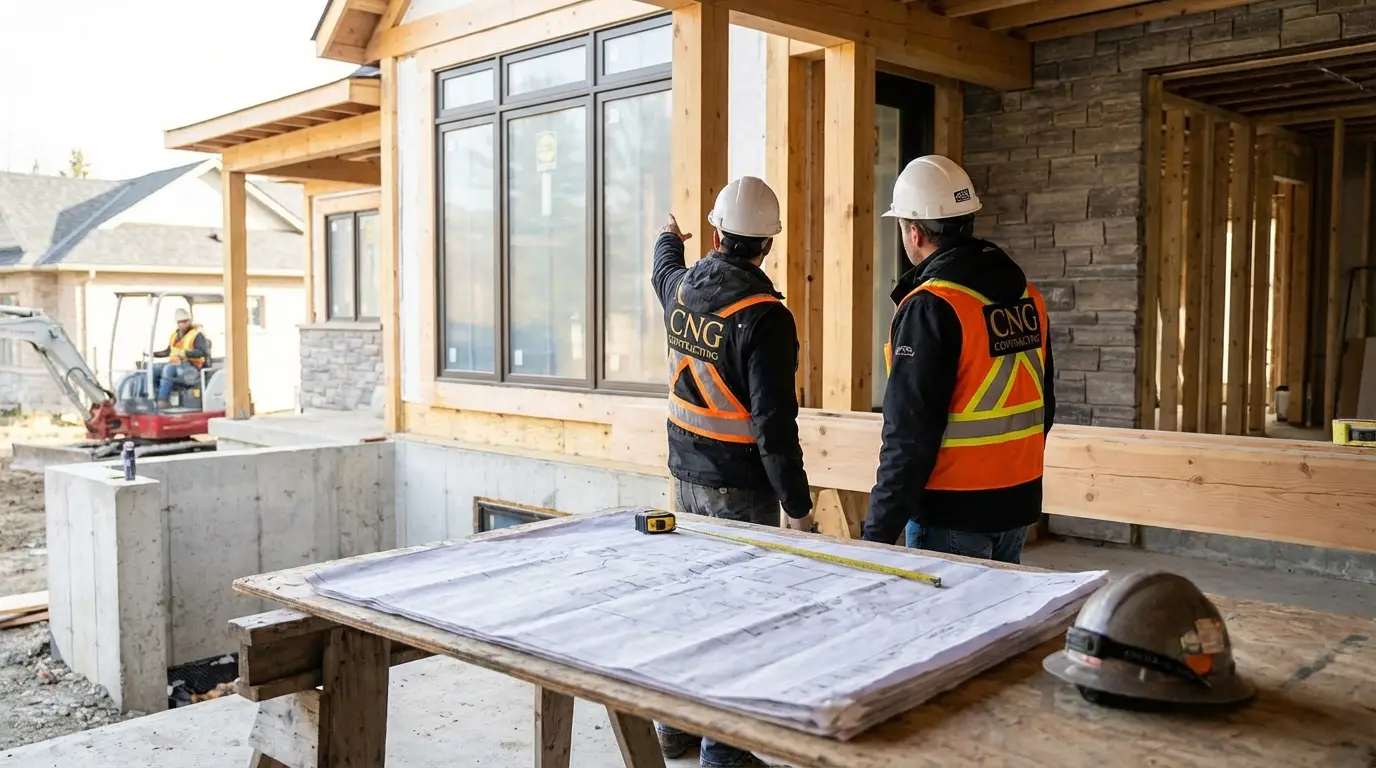
Construction management goes far beyond supervising labor; it demands a deep understanding of the many technical elements that keep a project on track and up to industry standards. In the GTA, where seasonal changes can abruptly disrupt schedules, precise coordination is fundamental.
At the technical core, the process begins with thorough site evaluation. Soil tests determine load-bearing capabilities, influencing foundation designs that accommodate Toronto’s clay and silt composition. Incorrect footing specifications could lead to uneven settling, risking structural cracks. Experienced contractors plan for this by selecting reinforced concrete footings tailored for the local substratum.
Next, the integration of mechanical, electrical, and plumbing (MEP) systems requires synchronization with architectural layouts. CNG Contracting exemplifies high standards by employing BIM (Building Information Modeling) tech to avoid clashes between HVAC ducts and structural beams, preventing costly reworks.
Material selection is heavily influenced by the GTA climate. Choosing a subfloor resistant to moisture prevents warping caused by Mississauga’s humidity. Exterior materials approved for Brampton’s freeze-thaw cycles include engineered stone and pressure-treated frameworks, balancing aesthetic appeal with durability.
Lastly, the construction journey involves rigorous quality control. Periodic inspections conducted during framing, drywall installation, and finishing stages ensure compliance with Ontario Building Code and local municipal regulations. These inspections, paired with adaptive project management strategies, mitigate risks such as delays or budget overruns.
Strategic Steps to Ensure a Successful Construction Journey with CNG Contracting
- Establish Clear Project Objectives: Define your vision in detail, from spatial requirements to finishes, keeping an eye on how each decision impacts long-term value.
- Engage Qualified Professionals Early: Incorporate licensed architects and contractors who have a proven record with GTA projects, particularly in Toronto and Vaughan.
- Comprehensive Site Assessment: Utilize geotechnical surveys and environmental tests specific to your lot for informed foundation planning.
- Detailed Blueprint Development: Work collaboratively with architects and the contractor to produce construction-ready plans that reflect all local codes and practical site conditions.
- Procure High-Quality Materials Locally: Select materials suited for regional climate challenges, ensuring longevity and ease of future maintenance across the GTA.
- Implement a Robust Project Management System: Use digital tools to track timelines, budgets, and subcontractor coordination to avoid bottlenecks.
- Maintain Open Communication Channels: Schedule frequent site walkthroughs and progress meetings to align expectations and adapt to emerging challenges without delay.
- Plan for Contingencies: Allocate a buffer in both budget and scheduling for unexpected obstacles common in local construction projects, such as permit delays or weather interruptions.
- Adhere Strictly to Permitting Processes: Collaborate closely with municipal authorities in cities like Oakville and Richmond Hill to secure all necessary building permits at the outset.
- Prioritize Quality Control Inspections: Approve all critical construction milestones with rigorous inspections to ensure structural integrity and code compliance before proceeding to subsequent phases.
Pro Tip: During framing inspections, look for consistent nailing patterns and properly spaced structural members. Irregular spacing often signals rushed or subpar workmanship that could compromise load distribution and structural stability under Ontario’s seasonal stresses.
How CNG Contracting Transforms Your Construction Journey into Reliable Reality
Embracing construction projects in the GTA requires precision, expertise, and a partner who anticipates the unique demands of the local environment. CNG Contracting approaches every project with a comprehensive diagnostic visit that evaluates site conditions, verifies blueprint compliance, and identifies hidden challenges before ground is broken. This professional diagnostic service is critical for avoiding costly overruns or compliance issues and is fully credited toward the final project scope managed by CNG.
Specializing in a wide range of projects—from custom decks with detailed craftsmanship to commercial retail developments—our team focuses on turning meticulous plans into lasting structures. For instance, projects in Toronto’s urban neighborhoods demand noise mitigation solutions and smart material choices; in contrast, projects in Oakville or Richmond Hill require heightened attention to exterior work to handle fluctuating weather patterns. By tailoring our approach according to geographic and climatic factors, CNG Contracting delivers superior build quality with an eye to maximizing longevity and investment value.
To explore how your project can benefit from our expert guidance, consider booking a Professional Diagnostic Visit. This visit sets the stage for a seamless construction journey, establishing clear communication, accurate timelines, and a collaborative project management style that aligns with your vision and budget.
Technical Comparison of Construction Approaches and Their Impact on Project Success
| Situation / Strategy | Risk Level | Proactive Benefit |
|---|---|---|
| Proceeding without adequate site soil analysis | High – Potential structural settling and future foundation issues | Low – Saves upfront time but risks costly repairs and delays |
| Engaging a contractor with deep local GTA experience | Low – Reduced risk of code violations and scheduling issues | High – Ensures compliance and optimized resource use |
| Using standard materials without regard to GTA humidity and freeze-thaw cycles | High – Accelerated material degradation and maintenance problems | Moderate – Reduces initial expenses but increases long-term costs |
| Investing in comprehensive project management software and communication tools | Low – Less risk of miscommunication and delays | High – Tight coordination and proactive issue resolution |
| Skipping municipal permit applications to speed up start | High – Legal issues, fines, and construction halts | None – Increases risk significantly with no benefits |
Contact CNG Contracting for Expert Project Management and Construction Services in the GTA
For homeowners and commercial clients in Toronto, Vaughan, Mississauga, Brampton, Oakville, and Richmond Hill, partnering with CNG Contracting means investing in a construction journey defined by professionalism and technical mastery. Reach out today at (647) 669-7346 to discuss your project needs, schedule detail-oriented consultations, or visit our Contact Us page to book your initial assessment. Start your construction journey with confidence, knowing your project is managed by experienced professionals who prioritize quality, compliance, and long-term investment value.
Glossary of Essential Construction Terms Featured in Your Project Journey
- Blueprint: A technical drawing or plan outlining the architectural design and specifications of a building.
- Building Information Modeling (BIM): Digital representation of physical and functional characteristics of a facility used for coordinated project management.
- Geotechnical Survey: Investigation of soil properties at a construction site to inform foundation design and structural planning.
- Freeze-Thaw Cycle: The process of water freezing and thawing that causes expansion and contraction in building materials, which can lead to stress and damage.
- Punch List: A document listing minor repairs or finishing touches required before final project completion and handover.
What distinguishes a general contractor from a subcontractor?
A general contractor manages the entire construction project, coordinating multiple subcontractors, scheduling, and ensuring adherence to budgets and local codes, whereas subcontractors specialize in specific trades like plumbing or electrical work.
How does CNG Contracting ensure compliance with local building codes?
CNG Contracting maintains up-to-date knowledge of municipal regulations across Toronto, Vaughan, and neighboring cities, manages permit applications, and conducts ongoing quality inspections throughout the construction process.
Why is a diagnostic visit important before construction starts?
The diagnostic visit identifies potential site-specific challenges early on, allowing for tailored solutions and preventing costly surprises during construction.
Can I make design changes once construction has started?
Yes, but it’s essential to communicate changes promptly. Delayed communication can cause project delays and additional costs.
How does the GTA climate influence material selection?
The humid summers and harsh winters with freeze-thaw cycles demand materials that resist moisture, expansion, and contraction, ensuring durability and structural integrity throughout the seasons.