
Unlocking extra square footage within your existing walls offers Toronto and Greater Toronto Area (GTA) homeowners an intelligent approach to home expansion. Rather than costly and disruptive external additions, tapping underutilized spaces through precise interior remodeling delivers significant space optimization. As the local climate imposes seasonal challenges, strategic modifications to your home’s structural layout can enhance not only living space but also improve energy efficiency and comfort. Considering the warm summers and cold winters experienced in Vaughan, Mississauga, Brampton, Oakville, and Richmond Hill, making the most of your current footprint is invaluable.
Space scarcity in urban and suburban settings encourages homeowners to rethink room addition concepts. Instead of major expansions or new builds, smart space planning within existing walls preserves structural integrity and adapts your home to evolving lifestyle needs. The aim is to merge creative storage solutions and wall modifications with smart design to create a harmonious and functional environment. This article delves into the technical know-how and practical guidance to help GTA homeowners unlock extra square footage effectively.
Understanding the Technical Foundations of Unlocking Extra Square Footage Within Existing Walls
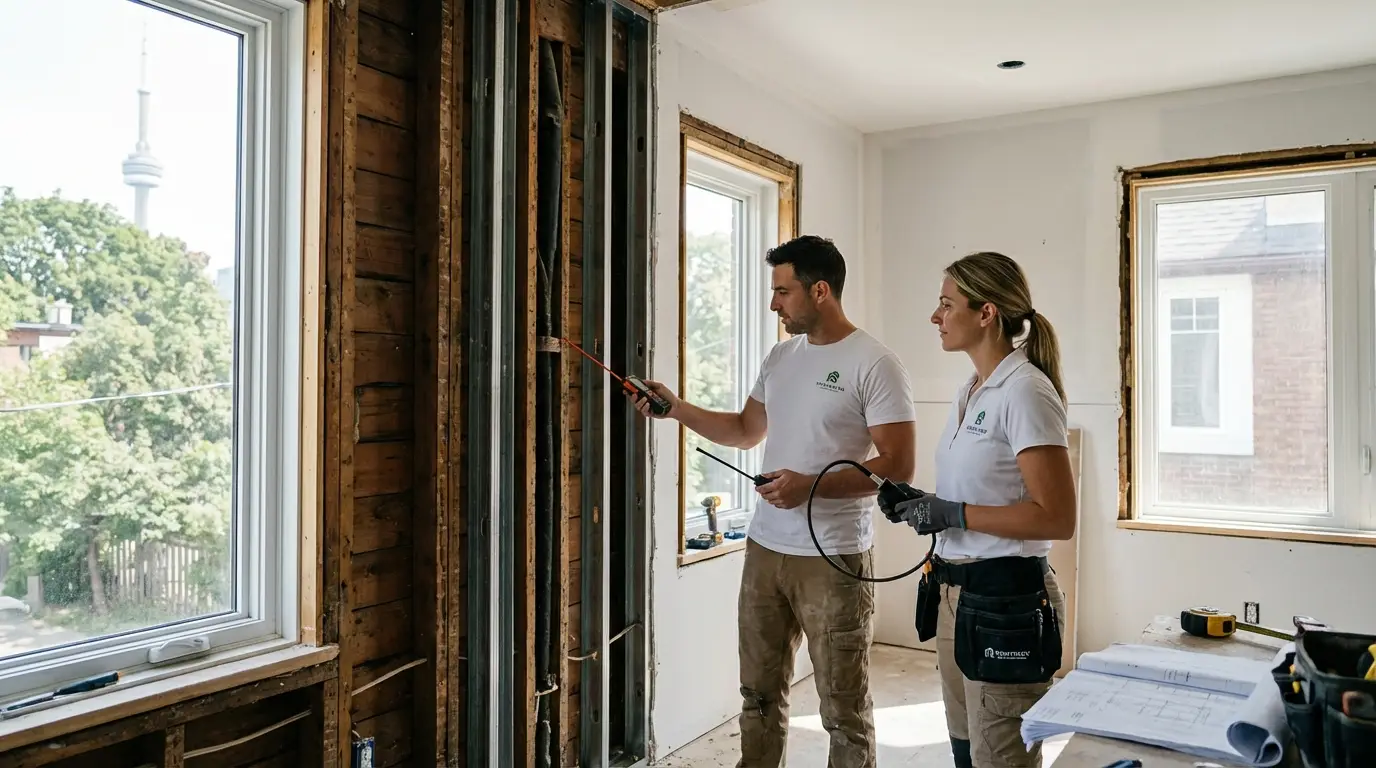
When considering home renovation for additional space, it’s crucial to look beneath the surface. Structural walls, load-bearing components, and the location of services such as electrical and plumbing play pivotal roles in determining viable space optimization strategies. In Toronto-area homes constructed several decades ago, walls may conceal more than just studs and drywall; old plaster layers, insulation materials, and wiring configurations create a complex tapestry requiring precise evaluation.
Removing or adjusting certain walls without professional assessment risks compromising the building’s structural integrity. Load-bearing walls transfer weight from the roof and upper stories down to the foundation. Alterations must maintain or redistribute these loads using engineered supports like beams or columns to prevent structural failure or sagging floors. Additionally, within these walls may reside HVAC ducts and plumbing lines that limit the scope of modifications.
For instance, a townhouse in Richmond Hill planning to open its compact kitchen to the living room must identify which walls can be removed safely and how to reroute essential services without reducing function or access. Subfloor variations also influence aesthetics and structural soundness; warping from improper moisture management in Mississauga’s humid climate can cause noticeable floorscape issues post-remodel.
The challenge is balancing creative space alteration with the realities of material durability and climate conditions. Contractors commonly recommend specific subfloor materials resistant to warping due to humidity that prevails in the GTA. This foresight ensures longevity and justifies investment overheads, fitting neatly into a long-term property value vision. Knowledge of these fundamentals ultimately underpins the success of finding and realizing extra square footage inside your current walls.
Strategic Room Layout Adjustments to Maximize Usable Space
Effective space planning requires a comprehensive evaluation of the existing room layout. Many homes in Oakville or Brampton suffer from inefficient flow due to outdated room partitioning or misplaced walls. Identifying configurations that “kill flow” is the first step toward unlocking hidden square footage. For example, excessive hallway space or small segmented rooms reduce usable areas significantly.
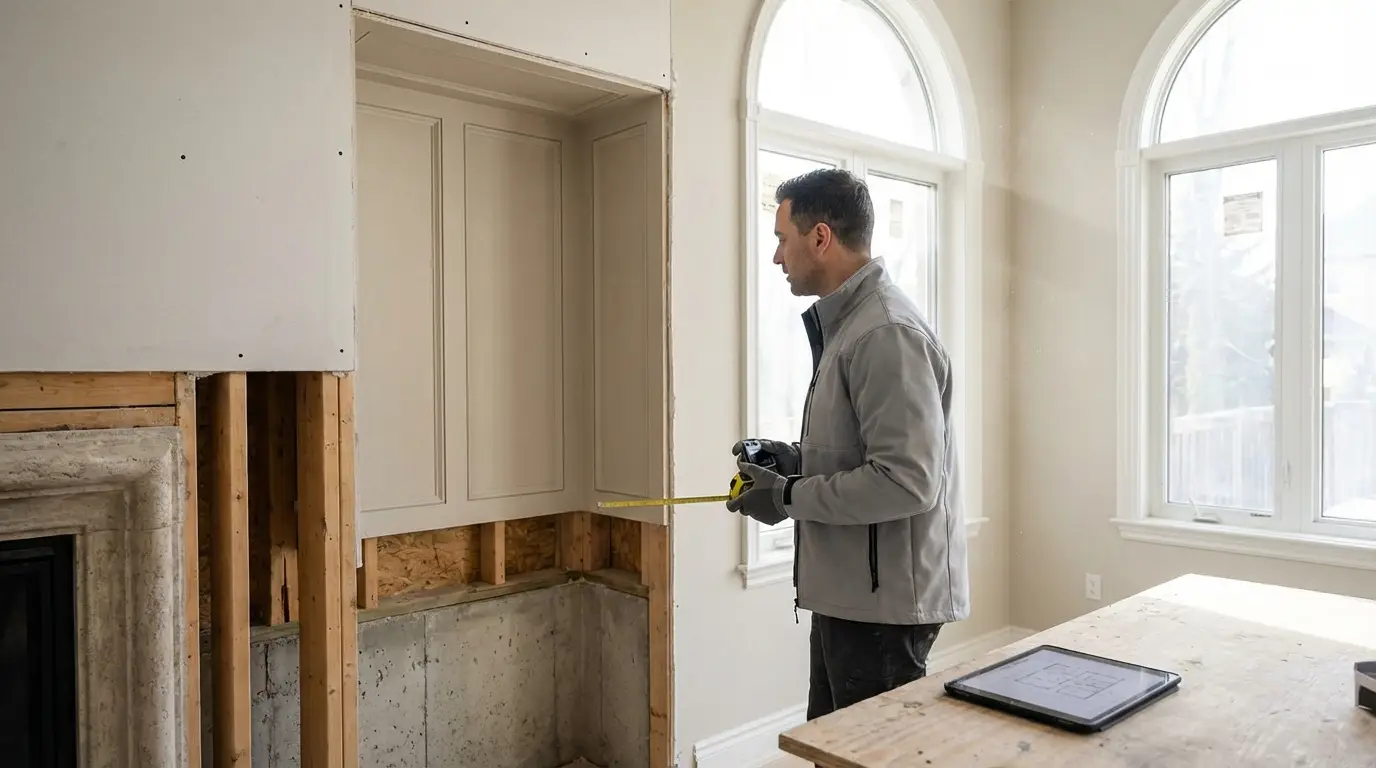
One practical approach is to open floor plans selectively, removing non-load-bearing walls to combine small adjacent rooms into larger multifunctional spaces. This adjustment promotes a feeling of spaciousness without expanding the building’s footprint. For instance, combining a cramped dining room and kitchen into a single space enhances functionality and naturally increases perceived square footage.
Smart zoning techniques within large rooms can also optimize space use without structural changes. By designing dedicated areas—such as a reading nook or workspace with built-in shelving—within an oversized room, homeowners achieve multi-purpose functionality. These solutions often involve built-ins that leverage vertical space, a crucial element often overlooked in conventional renovations.
To understand the nuances of room layouts detrimental to flow and how to correct them, homeowners can explore expert insights and strategies on room layouts killing flow. Such resources provide actionable steps to reconfigure space planning thoughtfully, emphasizing long-term usability versus short-term trends.
Wall Modifications: Balancing Structural Integrity and Space Expansion
Wall modification is often the core of achieving extra square footage but presents notable technical challenges. Distinguishing between load-bearing and non-load-bearing walls is critical. Removal or alteration of load-bearing walls mandates engineered solutions such as reinforced beams or support columns to uphold structural stability.
In the GTA context, homes often feature mixed framing methods. For older properties in Toronto, wooden joists and studs might be common, while newer builds in Vaughan may utilize engineered lumber or steel studs. Each material demands distinct techniques to preserve durability when walls are modified or partially removed.
Creative solutions such as partial wall removals, widening doorways, and incorporating openings can enhance visual space without full demolition. These subtle modifications contribute to space optimization by enhancing sight lines and natural light flow, creating a more expansive and inviting environment.
Furthermore, consideration must be given to hidden utilities within walls. Professional assessments using technology such as thermal imaging and stud finders prevent costly mistakes by revealing electrical wiring, HVAC ducts, or hidden plumbing that could be at risk during modification.
Maintaining moisture barriers is another important factor influenced by wall modifications. In humid climates like Mississauga, incorrect sealing or removal can lead to condensation, mold, and wood rot, undermining both space and structural integrity. Longevity-focused contractors prioritize materials and installation methods that address these climatic variables effectively.
Seven Essential Steps to Unlock Extra Square Footage Efficiently
- Comprehensive Structural Assessment: Begin with a detailed inspection by a professional to identify load-bearing walls, hidden utilities, and subfloor conditions specific to GTA climatic effects.
- Prioritize Non-Load-Bearing Wall Removal: Target walls that can be safely removed or modified to open up space without requiring major supports.
- Leverage Creative Storage Solutions: Integrate built-in shelving, under-stair storage, and multi-functional cabinetry to use vertical and hidden spaces.
- Implement Smart Space Planning: Reassess furniture layout and traffic flow to reduce wasted areas, enhancing functionality.
- Use Durable Materials Suited to Local Climate: Opt for moisture-resistant subfloor and wall materials to prevent warping and degradation.
- Integrate Openings and Partial Walls: Consider widening doorways or adding niches to improve light and openness without extensive demolition.
- Re-route Utilities with Expertise: Plan and execute electrical or plumbing relocations carefully, preserving safety and accessibility.
- Maintain Proper Moisture and Thermal Barriers: Ensure that modifications do not compromise insulation or vapor barriers critical in Ontario’s seasonal environment.
- Incorporate Flexible, Multi-Purpose Spaces: Design areas that serve dual roles, such as guest rooms doubling as offices, adapting to changing needs.
- Coordinate with Professional Diagnostic Visits: Confirm all plans align with building codes and structural realities through expert on-site evaluations.
Contractor Pro-Tip: Use thermal imaging before any wall modification to detect hidden moisture or electrical lines. This prevents costly repairs and ensures your space optimization project doesn’t compromise structural or safety standards.
The CNG Professional Solution for Secure Space Optimization and Remodeling
CNG Contracting applies a meticulous, professional approach to unlocking extra square footage within your current walls, tailored to the specific needs of GTA homes. Our diagnostic visits involve a comprehensive on-site assessment combining structural evaluation, utility mapping, and climate adaptability considerations. The diagnostic fee fully credits toward your final project cost, ensuring investment aligns perfectly with realization.
From Vaughan to Oakville, we deploy proven techniques in wall modification, subfloor repair, and room layout adjustment. Our teams collaborate with homeowners to devise renovation plans focused on longevity, structural integrity, and enhanced property value rather than temporary trends. We emphasize strategic space planning with detailed engineering support, ensuring resilience against local humidity and seasonal stresses.
Booking a professional diagnostic visit via CNG Contracting guarantees not only a custom roadmap for your home renovation but also a transparent project scope that protects your property’s investment and structural soundness. Our craftsmanship respects the master plan philosophy—each adjustment connects to the wider vision of durable home expansion and increased livable square footage.
Technical Comparison of Common Space Expansion Scenarios
| Situation/Strategy | Risk Level | Proactive Benefit |
|---|---|---|
| Complete removal of non-load-bearing interior walls | Low | Maximizes open space and improves traffic flow with minimal structural work |
| Partial wall removal with added support beams for load-bearing walls | Moderate | Enables significant space increase while maintaining building integrity |
| Widening doorways and adding niches | Low | Enhances light and perceived volume with minimal demolition |
| Rerouting electrical/plumbing without structural changes | Low to Moderate | Improves functionality without affecting structural stability |
| Removing load-bearing walls without appropriate support | High | Risks structural failure and costly future repairs |
Contact CNG Contracting for Professional Space Optimization Services in the GTA
Homeowners in Toronto, Vaughan, Mississauga, Brampton, Oakville, and Richmond Hill seeking to unlock additional living space within their existing walls are encouraged to take advantage of CNG Contracting’s expert diagnostic visits. Call us at (647) 669-7346 or visit our Contact Us page to schedule your assessment. Our team brings years of experience, technical mastery, and a commitment to preserving your home’s structural health while enhancing usable space.
Technical Glossary of Terms Relevant to Extra Square Footage and Remodeling
- Load-Bearing Wall: A wall that supports the weight of the structure above and transfers it to the foundation.
- Subfloor: The structural layer beneath the finished flooring providing support and stability.
- Thermal Imaging: A technology that detects heat patterns, used to locate hidden moisture, electrical wiring, or insulation gaps.
- Moisture Barrier: Material or membrane that prevents water vapor from penetrating into wall or floor assemblies.
- Room Layout Flow: The arrangement of rooms and pathways that affect movement efficiency and comfort within a home.
How can I safely remove a wall to create more space?
Begin with a detailed professional assessment to identify if the wall is load-bearing. Only non-load-bearing walls can be removed without additional support. For load-bearing walls, engineered beams or columns are necessary.
What are some underutilized spaces I can convert for extra square footage?
Common areas include basements, attics, spaces under stairs, and oversized closets. Creative storage and built-in furniture can also optimize these.
How does Toronto’s climate affect interior remodeling projects?
Toronto’s humid summers and freezing winters require moisture-resistant materials and proper insulation to avoid warping, mold, or thermal inefficiency.
Can I add extra rooms without extending the building footprint?
Yes, by reorganizing existing spaces, opening up walls, and incorporating room additions within the current walls through interior remodeling.
Why is a professional diagnostic visit important before renovation?
It ensures structural safety, accurately identifies hidden issues, and tailors renovation plans to local climate and building codes, avoiding costly mistakes.