
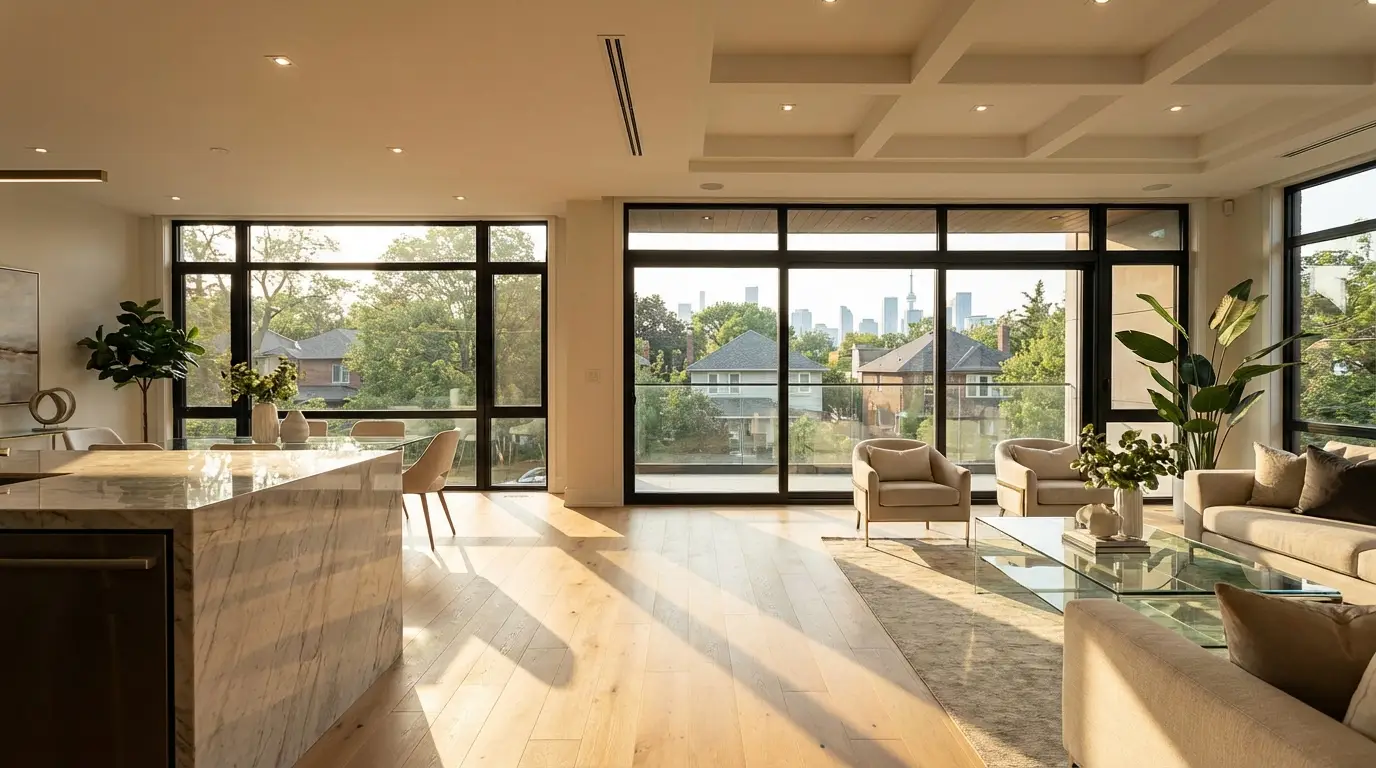
Maximizing natural light in darker rooms is a crucial undertaking for homeowners in the Greater Toronto Area, where the climate often limits daylight hours during the long winters and overcast seasons. Rooms that feel dim restrict the perceived space, impact overall well-being, and increase reliance on artificial lighting. Integrating specific design strategies offers both immediate livability benefits and long-term value, enhancing a home’s comfort, energy efficiency, and resale appeal. Toronto, Vaughan, Mississauga, Brampton, Oakville, and Richmond Hill residents alike can significantly improve their interior lighting with thoughtful architectural and interior design changes, using natural light as a sustainable asset rather than battling against the climate.
In the diverse building stock across these areas, many homes have darker rooms due to design limitations, urban density, or shading from mature trees and neighboring structures. Addressing these challenges through targeted interventions—ranging from window enhancements to reflective materials and space reconfigurations—can transform interior environments. Effective daylighting not only illuminates surfaces but enhances mood, productivity, and even sleep quality. Given the natural fluctuations in light throughout the day and seasons in this part of Ontario, design solutions must also prioritize durability, moisture resilience, and maintenance ease to ensure lasting benefits. This article unfolds ten expert strategies that intertwine technical understanding, local relevance, and a vision for sustained home value.
Understanding the Technical Fundamentals: How Natural Light Enters and Interacts Within Home Interiors
Before embarking on design modifications, it is essential to grasp how natural light operates within the complex structure of a home. Sunlight enters primarily through openings like windows, skylights, and glazed doors. Its behavior then depends on architectural factors such as room orientation, window size and placement, interior reflectivity, and obstructions both inside and outside the home.
In the GTA, where winters provide lower solar angles and shorter daylight spans, south and southeast-facing windows typically receive the most consistent light. This orientation is prized in residential design for maximizing usable daylight without excessive glare or overheating. Conversely, west-facing rooms may face challenges related to intense afternoon sun, which can raise temperatures and create harsh shadows. Behind walls and under floors, structural elements and insulation materials also influence how light disperses indirectly—penumbral zones near corners or under beams remain naturally dim unless deliberate measures are taken.
Windows’ “window-to-wall ratio” (WWR) is a key technical parameter; this ratio must balance sufficient glazing to provide light without compromising structural integrity or energy efficiency. A WWR too low restricts daylight, while too high can cause heat loss during harsh winters or overheating in summer. Double- or triple-glazed, Low-E insulated windows are the recommended standard in Toronto-area homes for maintaining heat retention while allowing substantial light penetration. Choosing durable window framing, suited for local humidity and temperature variations, also contributes to the long-term success of daylighting efforts.
Another technical nuance is the role of reflective and absorptive surfaces inside rooms. Light-colored walls, ceilings, and floors with semi-gloss or satin finishes enhance the scatter of light, pushing its reach deeper into interior spaces. Conversely, dark or matte finishes absorb light, diminishing its effectiveness. Structural elements like exposed beams, heavy drapes, or bulky furniture near windows impede light flow. In renovation projects, understanding these intricate dynamics supports the selection of design elements which harmonize natural light with the home’s overall construction specifics, optimizing both comfort and integrity across Toronto’s variable climate.
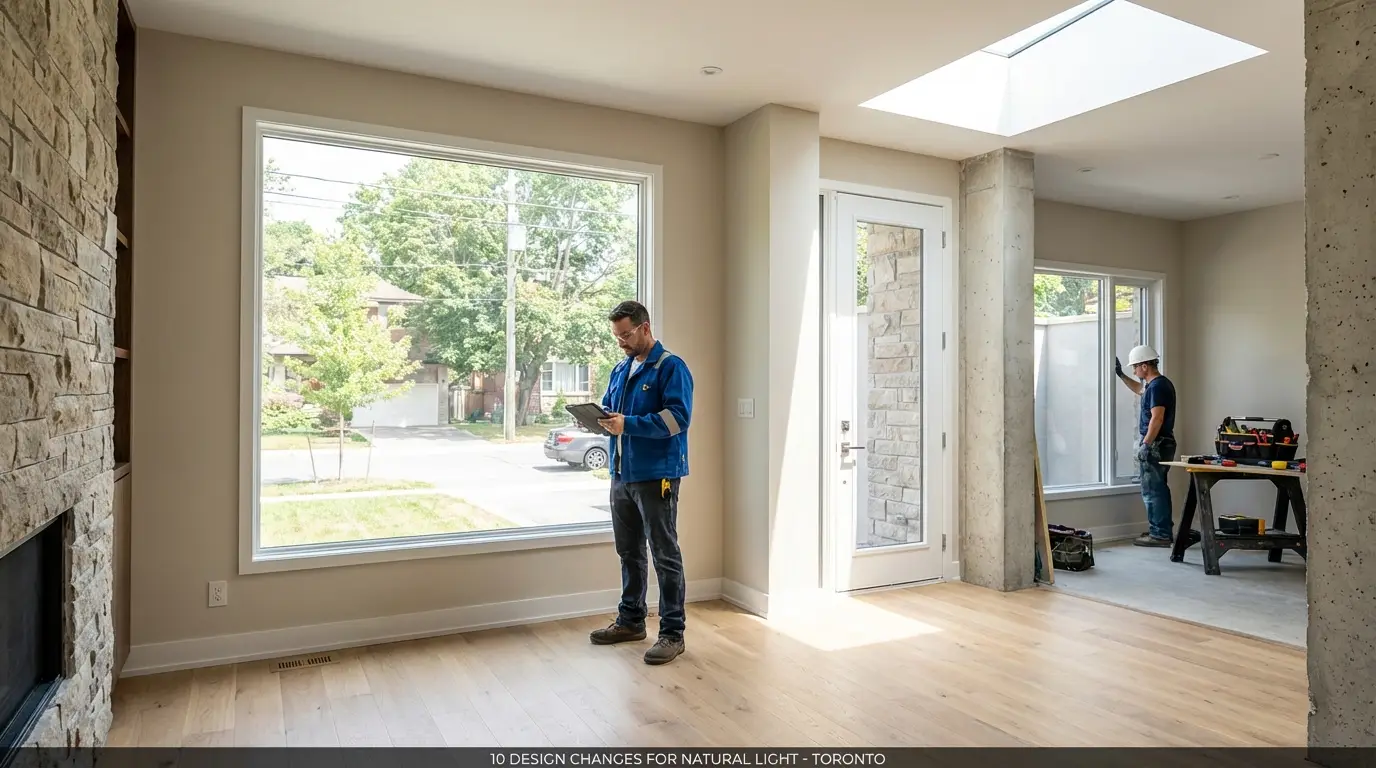
10 Essential Design Changes to Enhance Natural Light in Your Dark Room
- Strategic Window Enlargement and Placement: Installing larger windows on south or southeast-facing walls maximizes direct light capture. Adding secondary windows on adjacent walls reduces harsh shadows and creates balanced, natural illumination throughout the day.
- Incorporation of Skylights and Sun Tunnels: For internal rooms deprived of external walls, skylights and tubular daylighting devices funnel sunlight from the roof, drastically transforming dark, enclosed spaces without compromising structural integrity.
- Use of Clerestory Windows: High-set windows near ceiling lines introduce daylight from above while maintaining privacy and leaving wall space free for furniture or storage.
- Adoption of Light Shelves: Reflective horizontal shelves positioned above windows bounce sunlight into room depths and moderate glare, especially effective on south-facing facades common in local environments.
- Light-Colored Finishes and Reflective Surfaces: Employing pale paint colors with satin or semi-gloss finishes on walls and ceilings amplifies light diffusion. Incorporating mirrors and polished surfaces extends daylight across a room’s interior.
- Replacing Solid Doors with Glass Panels: French doors or glass partitions facilitate light penetration between adjoining rooms, enhancing overall brightness without sacrificing spatial separation.
- Open Floor Plans and Minimal Obstructions: Removing non-load-bearing walls and opting for minimal, low-profile furniture layouts promotes unobstructed daylight flow across living areas, crucial in smaller properties typical in Vaughan or Mississauga.
- Window Treatments with Sheer Fabrics: Choosing light-filtering blinds or sheer curtains prevents harsh glare while maintaining privacy and maximizing daylight infiltration.
- Implementation of Adaptive Shading Solutions: Adjustable exterior sunshades and interior blinds manage solar intensity, reducing heat gain and glare without compromising natural lighting quality.
- Mindful Landscaping for Light Accessibility: Strategic pruning of trees or replacement of dense shrubbery near windows prevents blocking sunlight, while light-colored hardscaping surfaces reflect more daylight into lower-floor rooms.
Advanced Contractor Insights on Daylighting Enhancements in GTA Homes
One often overlooked aspect is selecting window frames and subflooring materials compatible with Toronto’s humidity cycle. Using imported low-cost materials may lead to premature warping or air leaks, undermining daylighting improvements. Instead, durable, locally adapted products ensure long-term airtight performance and preservation of interior brightness. For instance, matching window sizes between renovations maintains aesthetic harmony while optimizing the window-to-wall ratio for excellent natural light balance.
How CNG Contracting Delivers Customized Natural Light Solutions in the GTA
CNG Contracting specializes in comprehensive daylighting audits and tailored renovation strategies across Toronto, Vaughan, Mississauga, and neighboring cities. Our Senior Project Leads evaluate every detail—from site orientation and building envelope to interior finishes and furniture layout—to craft a master plan that maximizes natural light while supporting long-term durability and energy efficiency.
We recommend booking a Professional Diagnostic Visit for an on-site assessment. This visit identifies specific challenges from structural obstructions to less apparent factors like window aging or landscape interference. Importantly, the Diagnostic Visit fee is fully credited toward any subsequent repair or renovation project, making this an efficient investment. Our team leverages cutting-edge tools and local experience to ensure the proposed design changes align with your home’s construction standards and climatic realities, guaranteeing a transformation that sustains property value and occupant comfort.
Comparing Daylighting Scenarios: Risk Levels and Benefits for GTA Homeowners
| Situation / Strategy | Risk Level | Proactive Benefit |
|---|---|---|
| Minimal window sizes in south-facing rooms | High: Dim interiors, increased need for artificial lighting | Opportunity lost for passive solar gain and energy savings |
| Adding skylights to internal rooms | Moderate: Requires professional installation and sealing | Substantial increase in daylight, reduced electricity use |
| Open plan layout replacing multiple partition walls | Medium: Structural considerations must be addressed | Improved light flow and spatial connectivity, enhancing utility |
| Using heavy drapes to block sunlight | High: Decreases natural light, creating gloomy interiors | Short-term comfort but long-term detriment to brightness and mood |
| Installing adaptive shading devices | Low: Controlled solar exposure and glare mitigation | Maintains natural light quality while regulating internal temperature |
Schedule Your Professional Diagnostic Visit Today
Transform your darker rooms into bright, inviting spaces with expert guidance. Contact us at (647) 669-7346 or visit our Contact Us page to arrange a tailored diagnostic evaluation. This visit provides a complete onsite review of natural light opportunities and challenges unique to your Toronto-area home. Remember, the diagnostic fee is credited toward any subsequent project, ensuring you get expert advice without wasted cost. Trust CNG Contracting to deliver daylighting solutions that uphold structural integrity, energy efficiency, and lasting value.
Glossary of Technical Terms Used in Natural Light Design
- Window-to-Wall Ratio (WWR): The proportion of window area compared to the total wall area; critical in balancing natural light and energy efficiency.
- Low-E Glass: Energy-efficient glazing coated to reduce infrared and ultraviolet light penetration while allowing visible light, preserving interior climate control.
- Clerestory Windows: High-set windows placed near the ceiling to bring in natural light while maintaining privacy and wall usability.
- Skylights: Transparent or translucent windows installed in the roof space, delivering daylight directly from above.
- Sun Tunnels / Tubular Daylighting Devices (TDD): Reflective tubes channeling sunlight from roof-mounted domes into interior spaces without direct window installation.
How can I increase natural light without major renovations?
Start by painting walls and ceilings in light colors, using mirrors to reflect light, and replacing dark heavy window treatments with sheer curtains or light-filtering blinds.
Are skylights suitable for all room types in Toronto homes?
Skylights work well in rooms lacking exterior walls such as hallways and bathrooms, but they require professional installation to ensure proper sealing against Toronto’s weather conditions.
What is the benefit of clerestory windows in interior design?
They introduce daylight from above, enhancing brightness and privacy while freeing wall space for furniture or décor.
Why is window placement so critical for natural lighting?
Proper window placement on south or southeast-facing walls captures optimal sunlight in the Northern Hemisphere, reducing reliance on artificial lighting and improving energy efficiency.
How does choosing reflective surfaces contribute to room lighting?
Reflective surfaces like mirrors or glossy finishes scatter daylight into darker areas, amplifying the overall brightness of the room without additional light sources.