
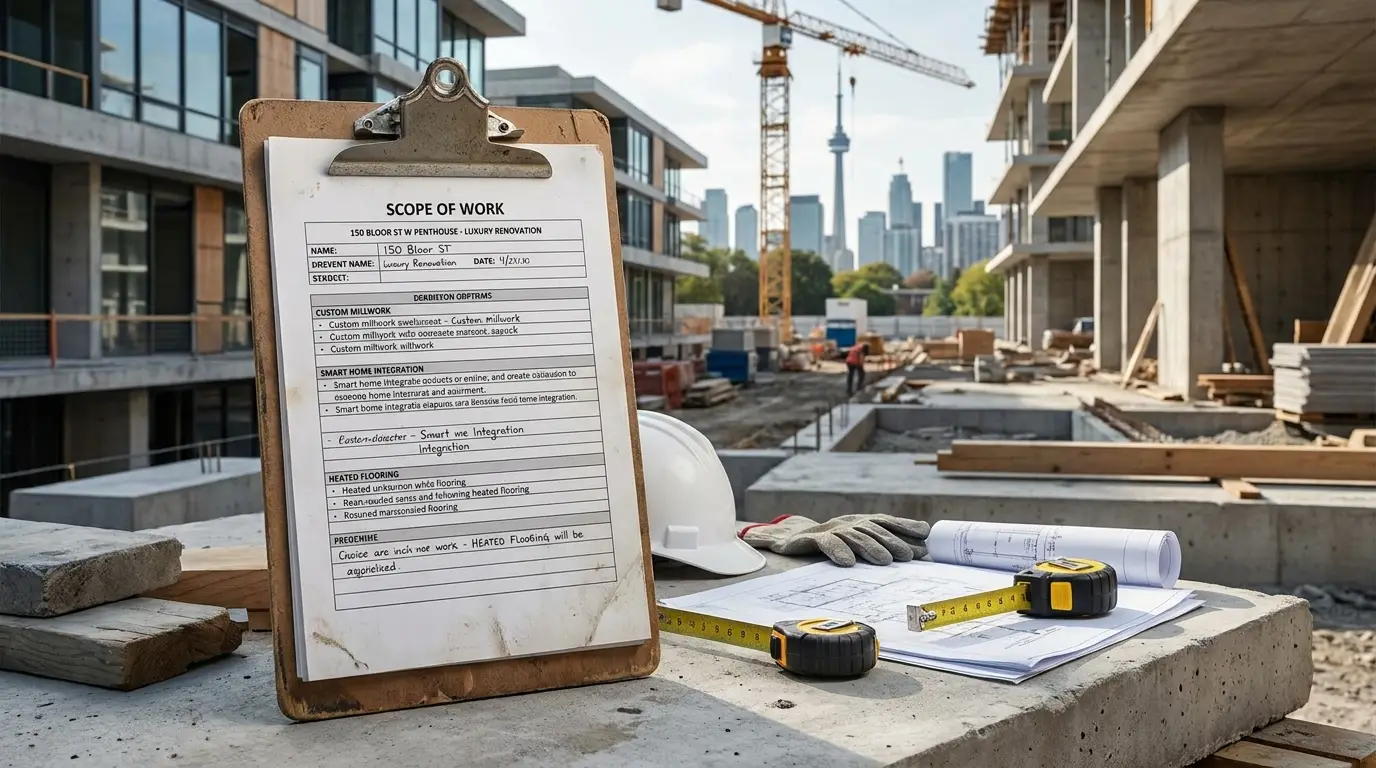
Making sound purchase decisions for tools in the construction and home improvement fields requires more than just quick choices or impulse buys. Homeowners and contractors in the Greater Toronto Area—from bustling Toronto neighborhoods to expanding suburbs like Vaughan and Mississauga—face fluctuating weather patterns and specific project challenges that demand strategic foresight. A well-crafted scope of work serves as the blueprint guiding every tool buying choice, ensuring each acquisition aligns perfectly with project requirements and local conditions.
Understanding the nuances behind selecting the right equipment impacts not just immediate task completion but the long-term value and resilience of property investments. Careful planning also reduces risks associated with inadequate or incompatible tools, helping professionals and homeowners avoid costly setbacks. As seasonality influences construction timetables and material performance, the importance of detailed planning in procurement becomes undeniable in achieving efficient and effective project execution.
Building a Foundation: The Critical Role of a Detailed Scope of Work in Tool Buying
Scope of work documents form the backbone of all project preparations, clarifying expectations and responsibilities before any transactions occur. In the context of tool buying, this document acts as more than a checklist—it aligns your tool selection strategy with defined work specifications and overall project objectives.
In the GTA, where home renovations or commercial projects frequently contend with seasonal challenges and evolving regulations, the absence of a clear scope often leads to ambiguous purchase plans and wasted budget resources. For example, an undefined scope can result in acquiring a power tool with specifications unsuited for Toronto’s humidity or winter temperatures, shortening its lifespan and compromising operational safety.
By establishing precise work parameters, a detailed scope reduces the risk of buying underpowered, redundant, or incompatible equipment. This level of planning supports budget management by targeting investments strictly necessary for task completion. Additionally, it fosters efficiency in procurement by preemptively identifying the tools that serve multiple functions or can integrate seamlessly with existing equipment portfolios.

Behind the Scenes: Understanding the Technical Foundations That Guide Tool Selection
Before tools hit the workbench, multiple technical factors lie beneath the surface, influencing why particular tools are chosen based on project complexity and site conditions across Toronto, Oakville, or Richmond Hill. This segment explains this behind-the-walls dynamic from a contractor’s perspective, ushering a higher level of professionalism into procurement decisions.
The durability and compatibility of tools depend heavily on the materials and systems involved in the project. For instance, when upgrading flooring in a Vaughan home, the choice of subfloor tools must match the wood’s moisture tolerance to avoid future warping due to GTA humidity fluctuations. Similarly, tools for foundation repairs in Brampton require specifications calibrated to withstand local soil movement and frost depths.
Each construction discipline—whether carpentry, electrical, or plumbing—has specialized requirements that a thorough scope outlines in its tasks and quality standards. Ignoring these technical frameworks can lead to inefficient workflows, compromised structural integrity, and escalated risk profiles during execution. Contractors well-versed in these technical conditions use them to narrow down tool buying options, emphasizing brands and models with proven endurance and compliance with regional building codes, as detailed in the Toronto home structural check.
Seven Essential Steps for Crafting Effective Scope of Work Documents Before Tool Procurement
- Define Project Objectives Clearly: Begin with pinpointing exact tasks, locations, and expected outcomes, which will inform the types of tools needed.
- List Detailed Work Specifications: Itemize every step in the project, noting requirements such as tool size, power output, and compatibility parameters critical for GTA weather conditions.
- Identify Material Responsibilities: Specify who supplies what to avoid overlap or assumptions about who owns project materials versus tools.
- Highlight Exclusions: Clearly state what tasks and tools are outside the project scope, protecting against scope creep.
- Include Change Order Protocols: Establish procedures for authorizing additions or modifications with accompanying updated tool needs.
- Incorporate Budget Considerations: Plan purchases to optimize longevity and reduce redundancy, tying each tool acquisition to its value within the broader scope.
- Validate Technical and Environmental Compliance: Ensure tools meet local electrical codes and material standards, avoiding purchases that require costly retrofits or fail to endure regional climate stresses.
These steps together anchor a procurement process focused on strategic tool buying, prompted by detailed planning rather than reactive decisions.
Contractor Pro-Tip: The Key to Spotting Hidden Tool Inefficiencies Before Purchase
Always cross-reference tool capabilities with the full scope of work for your project. For example, if waterproofing is involved, verify tool resilience against moisture and chemical exposure specific to jurisdictions like Mississauga and Oakville. This foresight avoids retooling mid-project and cuts downtime significantly.
The CNG Professional Solution to Align Tool Buying with Project Success
Our approach at CNG Contracting emphasizes upfront, thorough diagnostics and planning interpretations to generate a detailed scope of work tailored exactly to your project needs. Toronto and surrounding regions benefit immensely from this clarity, especially given local climate and regulatory factors. We invite you to book a Professional Diagnostic Visit, an on-site assessment where our experienced team evaluates your project thoroughly and discusses tool and resource needs in real-time. This diagnostic visit fee is credited in full toward your final project, reinforcing our commitment to transparency and value.
By interfacing detailed scopes with sophisticated tool selection, our clients achieve optimized operational efficiency and long-term investment protection. We partner with you to preempt challenges and ensure your toolkit is both comprehensive and tailored for maximum effect.
Technical Comparison of Tool Procurement Strategies and Impact on Project Outcomes
| Situation/Strategy | Risk Level | Proactive Benefit |
|---|---|---|
| Purchasing tools without a scope of work | High – leads to incompatible or unnecessary tools, increased repair costs | None – inefficient procurement, budget waste |
| Using a general list without detailed tasks | Medium – partial fit but misses specific task requirements | Moderate – some efficiencies through broad planning |
| Detailed scope with exact tool specifications | Low – minimizes surprises and tool redundancy | High – optimized purchasing, longer tool lifespan, smoother operations |
| Scope includes vendor support and maintenance plans | Very Low – ensures sustained tool functionality and warranties | Very High – extends equipment life, reduces downtime |
| Incorporation of future scalability in tool selection | Low – prepares for expansion and changing project demands | High – cost-effective investments and adaptability |
Take Command of Your Tool Purchases: Act Now for Project Confidence
Secure your project’s success from the first phase of planning by developing a comprehensive scope of work that guides every tool buying choice. Detailed scopes protect you from avoidable risks, boost procurement efficiency, and anchor budget management strategies that serve your long-term investment goals. Reach out now to schedule your Professional Diagnostic Visit or explore partnerships with expert servicing through our handyman services for ongoing project support throughout Toronto and the surrounding areas.
Call us at (647) 669-7346 or visit our Contact Us page to get started. Harness professionalism and foresight to transform the often-overlooked tool buying process into a core element of project excellence.
Technical Glossary for Tool Buying and Scope of Work Clarity
- Scope of Work (SOW): A written document defining the specific tasks, responsibilities, and parameters agreed upon for a project, crucial for guiding procurement decisions.
- Scope Creep: The gradual expansion or change in project requirements beyond the original scope, often leading to additional unplanned costs and delays.
- Change Order: A formal amendment to the scope of work that authorizes additional work or modifications, typically involving new costs and timelines.
- Work Specifications: Detailed requirements defining how tasks should be executed, including quality standards, materials, and tools involved.
- Procurement Efficiency: The effectiveness with which equipment is purchased to match project needs while minimizing waste and maximizing functionality.
Why is a detailed scope of work essential before purchasing tools?
It ensures that tool buying aligns exactly with project requirements, avoiding unnecessary purchases and reducing risk.
How does a clear scope prevent scope creep in projects?
It sets definitive boundaries and protocols for changes, so additional work requires formal approval and compensation.
What are the risks of buying tools without a defined scope?
This can lead to incompatible or redundant tools, budget overruns, and workflow interruptions.
Can a detailed scope of work improve long-term project investment?
Yes, by optimizing tool selection, it supports durability and adaptability, enhancing the project’s structural integrity.
How does CNG Contracting support homeowners in tool selection?
By offering a Professional Diagnostic Visit that assesses project specifics and credits the fee toward project costs, ensuring tailored tool acquisition.