

Ontario’s distinctive four-season climate demands a meticulous and well-thought-out approach to home preparation. Homeowners across Toronto, Vaughan, Mississauga, Brampton, Oakville, and Richmond Hill face challenges that directly impact the longevity, energy efficiency, and overall durability of their properties. Understanding how to adapt and fortify a home against these seasonal shifts isn’t merely about quick fixes; it’s an investment into creating a forever home built to withstand Ontario’s variable weather patterns.
From the relentless chill of winter to the humid waves of summer, each period introduces specific stressors that, without proper strategy, can compromise a home’s structural integrity and inflate maintenance efforts. Proactive weatherproofing, strategic insulation, and climate adaptation measures can mitigate these risks, preserving home value long-term while ensuring comfort and safety for its inhabitants. This discussion explains why mastering these elements is essential for homeowners committed to long-term value in Ontario’s changing climate.
Understanding Ontario’s Climate Impact on Forever Homes
Ontario’s climate is characterized by four defined seasons, each imposing unique demands on residential structures. Winters are notoriously cold and snowy, summers warm and humid, springs marked by thawing and rainfall, and falls ushering in fluctuating temperatures and leaf accumulation. These shifts create a dynamic environment where building materials and home systems are consistently tested.
In cities throughout the Greater Toronto Area, such as Toronto and Richmond Hill, homes face challenges like ice dam formation, condensation buildup in attics, and external erosion caused by freeze-thaw cycles. For homeowners invested in establishing a forever home, addressing these seasonal issues is paramount. The durability of roofing materials, foundation resilience, and HVAC system robustness must align with the stressors imposed by this climate.
Water infiltration during winter thaws and spring rains can lead to costly structural damage as well as encourage mold growth, impacting both health and long-term property value. Meanwhile, humid summers exacerbate wood warping and foster pest activity, while fall’s leaf debris poses drainage problems if gutters are neglected. Energy efficiency also fluctuates dramatically without adequate insulation and sealing measures tailored for this climate.
The Shawn Lepp Group’s real estate insights emphasize that ongoing, season-specific maintenance not only protects homes from weather-related deterioration but also supports greater energy efficiency and enhances resale potential. It is clear that a comprehensive, climate-informed strategy is indispensable for any Ontario homeowner aiming to secure their forever home’s longevity and comfort.
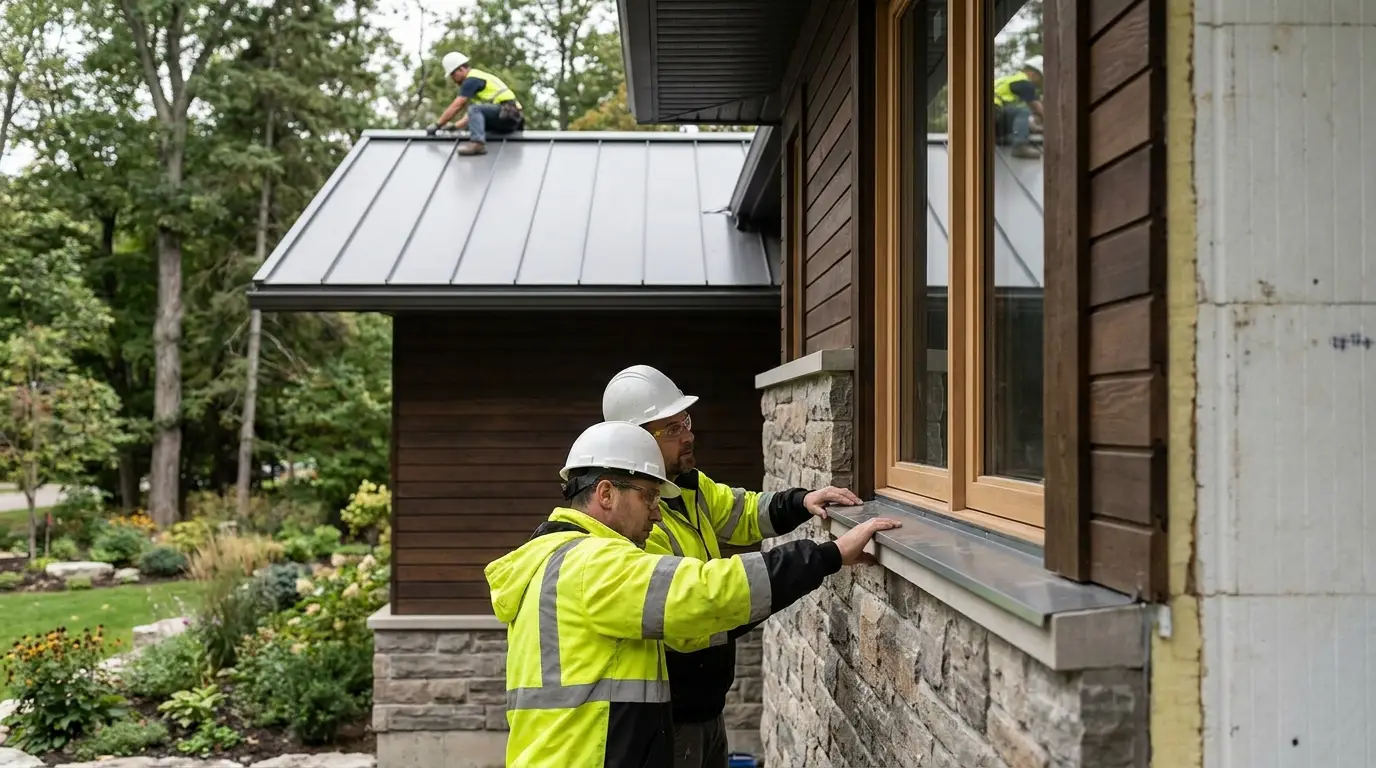
Technical Why: Behind the Scenes of Climate Adaptation in Ontario Homes
Ontario’s seasonal extremes are more than surface concerns; they affect critical home systems and structural components behind walls and under floors. Insulation quality, air sealing, and foundation design are key variables in managing thermal transfer, moisture infiltration, and structural load.
During winter, inadequate insulation can cause heat loss that not only drives up energy consumption but also contributes to condensation within walls and attics. This moisture accumulation prompts mold colonization and wood rot, which compromise the home’s structural integrity. Similarly, ice dams form when heat escaping through poorly insulated roof decks melts snow unevenly, leading to water seeping under shingles and into ceilings.
Underfloor systems and basements are equally vulnerable. Untreated moisture penetration through foundation cracks during spring thaws and summer rains leads to compromised concrete and potential hydrostatic pressure buildup. Over time, this can cause shifting foundations, uneven floors, and costly repairs.
Meanwhile, the framing and siding of a home must resist swelling and shrinking driven by Ontario’s humidity fluctuations. Wood species and treatment protocols are selected not only for their aesthetic but for their proven resilience in this environment. Winnipeg-graded lumber, pressure-treated materials, and advanced weatherproof coatings offer tangible benefits over cheaper alternatives that degrade rapidly under ongoing moisture stress.
Heating and cooling systems also face unique loads. Ontario’s HVAC designs must accommodate a wide temperature range while maintaining indoor air quality and energy efficiency. Modern systems leverage zoned heating, high-efficiency furnaces, and smart thermostats programmed to anticipate seasonal shifts, all supported by airtight building envelopes optimized to minimize thermal bridging and leakage.
For lasting comfort and durability in a forever home, understanding these technical aspects and incorporating proven materials and systems is an absolute necessity. The complexity behind this planning elevates home preparation from a superficial task to a strategic blueprint honing building science with regional climate realities.
Key Recommendations for Preparing Your Forever Home in Ontario’s Climate
- Comprehensive Insulation Audits: Conduct seasonal inspections to ensure insulation levels meet or exceed current Ontario building codes, focusing on attic, wall cavities, and basement rim joists to eliminate heat loss and moisture accumulation.
- Climate-Specific Weatherproofing: Apply durable waterproof membranes and flashing around windows, doors, and roof edges tailored for freeze-thaw cycles typical to the GTA region to prevent infiltration during winter and spring.
- Roof Material Selection and Maintenance: Choose roofing materials designed for Ontario’s high humidity and snow load, such as architectural asphalt shingles with enhanced granule retention and periodic cleaning to reduce moss and debris buildup.
- Upgrade Air Sealing Techniques: Utilize spray foam or dense-pack cellulose in hard-to-reach cavities, focusing on eliminating gaps that cause drafts and thermal inefficiency while improving indoor air quality.
- Foundation and Drainage Protection: Install perimeter drainage systems and sub-slab vapor barriers to mitigate water penetration risks and control soil moisture near foundations, particularly in spring and summer.
- Routine HVAC Maintenance and System Modernization: Schedule furnace and AC servicing before seasonal extremes and consider upgrading to multi-stage or modulating equipment with humidity control features for balanced indoor environments.
- Effective Gutter and Eavestrough Management: Clean and maintain gutters bi-annually, especially post-leaf fall, to prevent water back-up and foundation seepage. Incorporate leaf guards to reduce manual cleaning frequency.
- Landscaping for Climate Adaptation: Design yard grading to direct runoff away from the house, and plant trees a safe distance from foundations to prevent moisture damage and root intrusion.
- Install Smart Home Monitoring Sensors: Deploy humidity and leak detectors in basements and crawl spaces to alert homeowners early about moisture issues preventing structural and mold damage.
- Continuous Education and Professional Inspections: Engage annual assessments with experienced contractors familiar with Ontario’s climate-specific challenges to ensure evolving issues are addressed proactively.
Pro Tip: Beyond standard inspections, conduct thermal imaging scans post-winter thaw to detect hidden cold spots or moisture intrusion areas that conventional visual checks may miss. This practice helps identify insulation gaps and potential water leak sources before they escalate.
The CNG Professional Approach to Forever Home Preparation
CNG Contracting’s expertise is rooted in a comprehensive understanding of Ontario’s climate challenges fused with practical application of industry-leading materials and methods. Our approach begins with a professional Diagnostic Visit tailored to assess your home’s condition relative to the demands of the Greater Toronto Area’s weather patterns.
This Diagnostic Visit thoroughly evaluates insulation integrity, weatherproofing efficacy, HVAC performance, and foundational health. Rather than offering piecemeal fixes, the visit lays out a master plan emphasizing durability, energy efficiency, and climate adaptation to ensure your forever home remains resilient through each season.
The fee for this Diagnostic Visit is fully credited toward any repair or upgrade project undertaken with CNG, reinforcing our commitment to transparent, long-term value. Homeowners in Toronto, Vaughan, Mississauga, Brampton, Oakville, and Richmond Hill gain confidence knowing their home’s unique challenges have been expertly analyzed and addressed with high-quality solutions designed for enduring performance.
By integrating sustainable building practices, advanced insulation techniques, and precision HVAC calibration, we transform routine maintenance into strategic fortification. Booking your Diagnostic Visit with CNG is the first step in safeguarding your investment against Ontario’s climate stresses, anchored in professional insight and quality craftsmanship.
Technical Comparison of Ontario Home Preparation Strategies
| Situation / Strategy | Risk Level | Proactive Benefit |
|---|---|---|
| Ignoring winter roof inspections | High – ice dams, water infiltration, structural damage | Early identification and mitigation prevents costly repairs and extends roof lifespan |
| Applying standard insulation without air sealing | Moderate – heat loss and moisture buildup in cavities | Improved energy efficiency and prevention of mold growth |
| Neglecting gutter cleaning | High – blocked drainage causes foundation leaks and soil erosion | Ensures proper water runoff and protects foundation stability |
| Upgrading HVAC without seasonal maintenance | Moderate – increased energy use and premature system wear | Optimized performance and extended equipment lifespan |
| Landscaping without grading consideration | Moderate – water pooling near foundation and basement flooding | Redirects water flow away from structure, reducing moisture risks |
Professional Call to Action: Secure Your Forever Home Today
Preparing a forever home in Ontario’s demanding climate requires deliberate planning and expert execution. Whether you reside in Toronto, Vaughan, or Mississauga, relying on professional guidance ensures that every element of your property is optimized for year-round resilience and energy efficiency. Connect with CNG Contracting today to book your professional Diagnostic Visit. This crucial first step offers a full, on-site assessment with findings that drive an actionable home improvement plan tailored to the local climate.
To discuss your home’s specific needs or schedule an appointment, call (647) 669-7346 or visit our Contact Us page. Your investment in a master-planned, climate-resilient forever home starts with expert insight and ends with lasting value.
Technical Glossary for Ontario Home Preparation
- Ice Dam: A ridge of ice that forms at the edge of a roof, preventing melting snow from draining and causing water to leak into the home.
- Air Sealing: The process of closing gaps, cracks, and openings in a building’s envelope to prevent air leakage and improve heating and cooling efficiency.
- Freeze-Thaw Cycle: Repeated freezing and thawing of water, which can cause damage to building materials and foundations due to expansion and contraction.
- Perimeter Drainage System: A network of pipes and gravel installed around a home’s foundation to direct water away and prevent basement flooding.
- Thermal Imaging: A diagnostic technique using infrared cameras to detect variations in heat loss, moisture, and insulation irregularities within a building.
Energy-efficient homes not only improve comfort but reduce environmental impact — a critical consideration in Ontario’s evolving climate landscape.
Proper upkeep of heating and cooling systems ensures year-round efficiency and reliability in Ontario’s mixed climate zones.
How often should I inspect my home’s insulation in Ontario?
It’s recommended to inspect insulation annually, especially before winter and summer, to ensure it maintains its effectiveness against heat loss and moisture intrusion.
What are the main causes of ice dams and how can I prevent them?
Ice dams form when heat escapes through insufficient roof insulation causing snow to melt and refreeze at eaves. Proper attic insulation and ventilation are key preventive measures.
Why is foundation drainage important in Ontario homes?
Due to frequent freeze-thaw cycles and spring melts, effective drainage directs water away from the foundation, preventing structural damage and basement flooding.
Are smart home sensors worth installing for climate adaptation?
Absolutely. Sensors provide early warnings for moisture or temperature anomalies, allowing timely interventions that protect your home’s structural integrity and indoor air quality.