
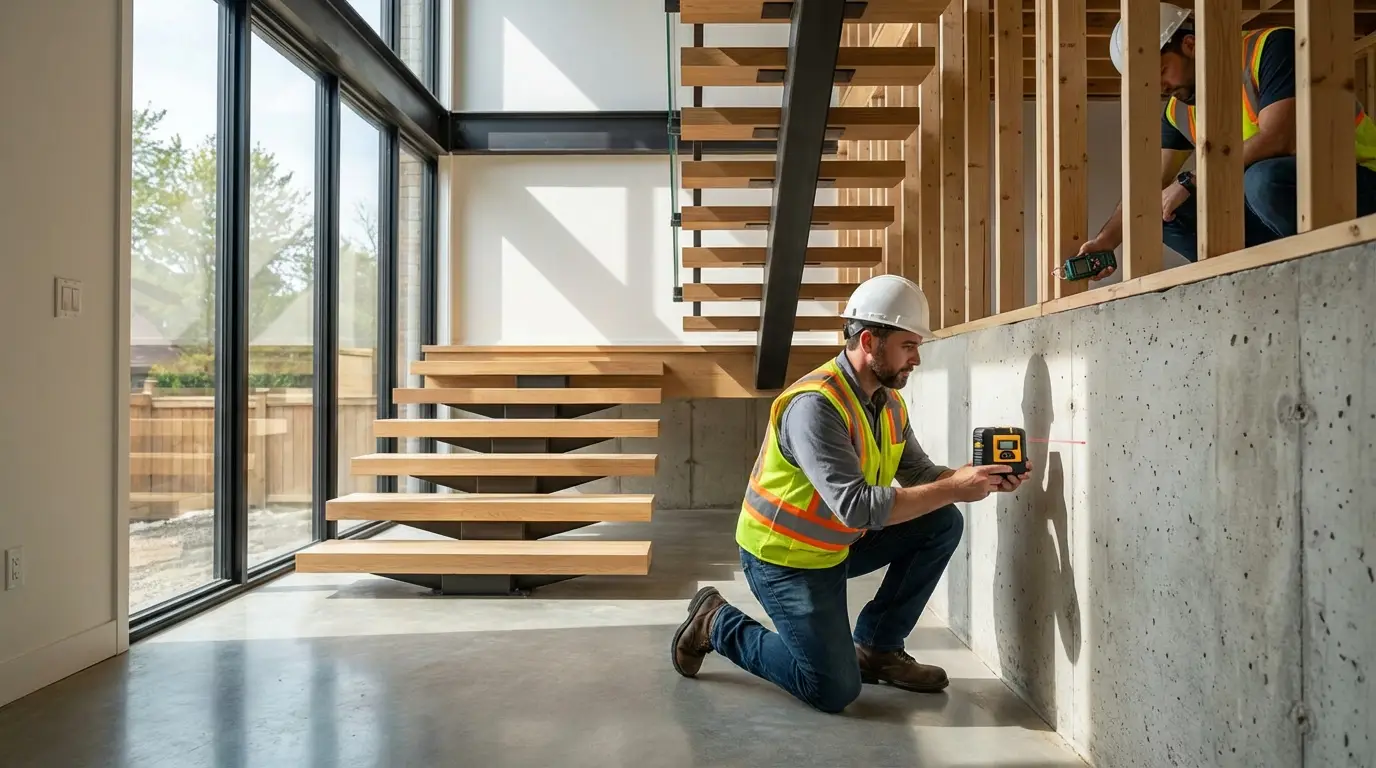
Homeowners across the Greater Toronto Area often underestimate the critical importance of regularly assessing their home’s structural integrity. In this region, the unique interplay of seasonal temperature swings, high humidity, and soil variability can trigger subtle but damaging effects on residential buildings. While cosmetic defects might seem minor, these small signs can mask deeper issues that threaten the overall safety and longevity of the property. Recognizing these early indicators and addressing them promptly is a cornerstone of effective property maintenance and home safety.
With Toronto’s climate characterized by frigid winters followed by hot, humid summers, building materials undergo constant expansion and contraction. Such stress accelerates wear in foundations, floors, and walls in ways that are not immediately visible to the untrained eye. By harnessing Marcus’s eyes — a metaphor for seasoned, contractor-level insight — homeowners can foresee potential building issues that often elude traditional home inspections. This proactive approach not only preserves property value but also prevents costly repairs down the road.
Understanding the Hidden Mechanics Behind Your Home’s Structural Wear
The structure of a home functions like a meticulously balanced ecosystem, where every beam, joint, and foundation element plays a role in maintaining overall stability. Beneath the visible surfaces, intricate interactions occur within materials and substructures that determine how well your home withstands environmental stressors. In the Toronto area, several factors compound to influence structural health in residential buildings, notably soil movement caused by freeze-thaw cycles, moisture infiltration, and incremental settlement.
One major technical challenge lies under the flooring, where subfloors constructed with inappropriate materials may warp or deteriorate due to Toronto’s fluctuating humidity. This leads to uneven floors and potential failure of load-bearing components. Choosing engineered wood or moisture-resistant composites offers superior durability compared to cheaper standards, which simply cannot withstand the region’s climate. Likewise, foundation walls are constantly battling soil pressure, which varies due to water accumulation during seasonal shorts and plummeting temperatures in winter.
Cracks forming along mortar joints or in concrete slabs are not merely aesthetic blemishes but often symptomatic of shifting loads or foundational movement. Such structural shifts are accelerated by water intrusion, which corrodes reinforcing steel and weakens concrete compounds. Internally, termite infestations exploiting moisture-damaged wood dramatically reduce the load-bearing strength of framing elements, compounding safety risks. Marcus’s eyes trace these hidden warning signs, anticipating potential failures before they escalate into emergencies.
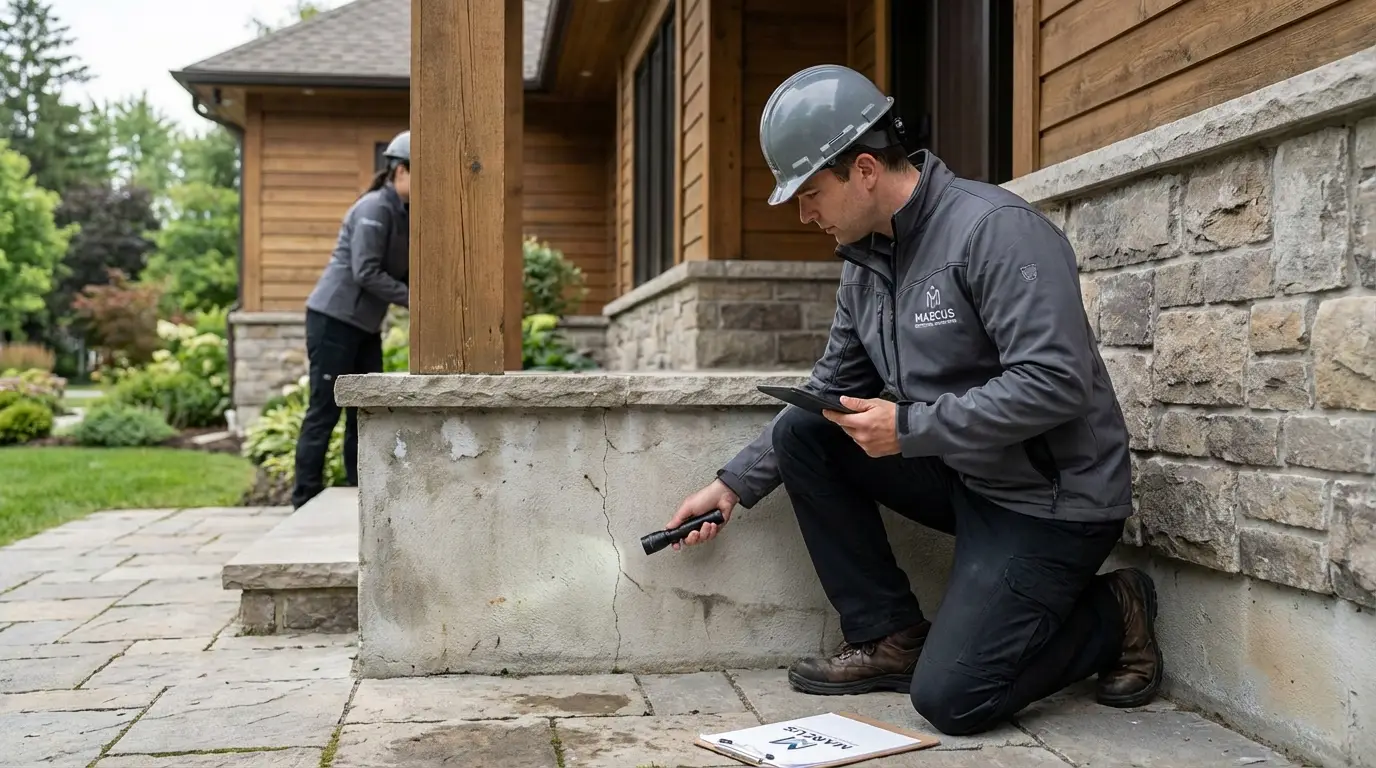
Key Steps to Detect and Address Structural Warning Signs Early
- Conduct Routine Visual Inspections: Regularly check for early indicators such as hairline cracks, peeling paint near foundation areas, and slight misalignments in doors or windows that could suggest shifting structures.
- Monitor Floor Levelness: Use simple leveling tools or even a marble to test floor slopes and settling. Uneven floors often signal subfloor damage or foundation settlement that demands immediate evaluation.
- Inspect for Moisture Intrusion: Look for mold growth, water stains, or musty odors in basements and crawl spaces. Moisture undermines structural materials progressively if untreated.
- Engage Professional Structural Assessments: Even subtle crack patterns or recurring door sticking should lead to professional consultation to determine if structural engineering analysis is warranted.
- Review Seasonal Expansion Effects: Track the changing behavior of doors, windows, and walls during seasonal transitions to identify stress zones and material fatigue resulting from temperature fluctuations.
- Identify Pest-Related Damage: Conduct thorough termite inspections, especially near damp wooden areas, to prevent devastating structural compromises caused by insect infestation.
- Manage Drainage and Landscaping: Ensure proper grading and clear gutters to prevent soil erosion against foundations, which accelerates wall bowing and settlement risks.
- Document and Compare Changes: Maintain records of observed structural conditions over time, including photographs and measurements, to detect progressive issues and enable precise diagnostic evaluations.
- Implement Preventive Repairs Promptly: Address minor issues such as mortar joint repairs or waterproofing before they escalate, increasing both cost and the complexity of restoration.
- Collaborate with Skilled Contractors and Engineers: Partner with experts attuned to GTA climatic challenges and home longevity strategies to tailor repair and modernization approaches that optimize long-term structural integrity.
Pro-Tip: Use a moisture meter during inspections to measure hidden dampness levels in wooden beams and flooring underlays. Early moisture detection allows for targeted interventions before rot or mold weakens key load-bearing elements.
How Professional Diagnostics with CNG Contracting Elevate Structural Care
At CNG Contracting, every diagnostic visit is conducted with a comprehensive understanding of the local environment, material science, and structural mechanics. The on-site inspection dives deeply into the “why” behind surface-level symptoms, often unveiling root causes such as suboptimal drainage configurations, inappropriate material selections, or hidden moisture channels. This diagnostic visit isn’t just a checklist exercise; it is a strategic groundwork step toward customized, durable solutions that respect the architectural intent and future usability of your home.
Homeowners in Toronto, Vaughan, Mississauga, Brampton, and nearby areas benefit from our methodical approach that treats each property as a dynamic system rather than a static asset. With the initial diagnostic fee fully credited toward the proposed project’s total cost, clients receive transparent value and assurance that every repair is an investment into their home’s structural longevity.
The process facilitates informed decisions—whether reinforcing a weakened foundation, recommending superior materials for subfloor stabilization, or integrating modern waterproofing technologies to preserve foundational components. This clarity is invaluable in ensuring property owners do not “stop delaying structural audits” or overlooking potential issues until they escalate into emergencies with exponentially higher repair costs.
For more guidance on enhancing your property’s technical and mechanical health, visit our pages on home mechanical health and home technical update.
Technical Comparison of Structural Risk Scenarios and Their Outcomes
| Situation / Strategy | Risk Level | Proactive Benefit |
|---|---|---|
| Ignoring hairline cracks as cosmetic defects | High – Potential foundation shifts | Early repair prevents progressive damage and structural failure |
| Regular monitoring with minor repairs to mortar and plaster | Moderate – Maintains structural stability | Extends lifespan of walls, reduces costly replacements |
| Immediate evaluation of sticking doors/windows | High – Indicates foundation movement | Timely interventions minimize structural distortion and safety hazards |
| Seasonal waterproofing and targeted drainage improvements | Low – Limits moisture-related deterioration | Protects against mold, rot, and corrosion |
| Full structural engineering analysis post-diagnostic visit | Very Low – Comprehensive understanding of risks | Enables tailored, long-term solutions that safeguard investment |
Call to Action: Secure Your Home’s Backbone Today with Professional Expertise
Don’t wait until minor signs have grown into major structural challenges. Protecting your home’s backbone is essential for safety, property value, and peace of mind. Schedule a comprehensive professional diagnostic visit with CNG Contracting by calling (647) 669-7346 or visiting our Contact Us page. Experience the long-term benefits of partnering with experts who apply Marcus’s eyes — combining experience, precision, and a vision for the greater Toronto area’s housing longevity.
Glossary of Key Structural Terms to Know
- Foundation Settlement: The gradual downward movement of the building’s foundation due to soil compression or shifting.
- Hydrostatic Pressure: Force exerted by water accumulating against basement walls, often causing bowing or leakage.
- Load-Bearing Wall: A wall designed to support structural weight from above, critical to a building’s stability.
- Spalling: The chipping or flaking of concrete surfaces, usually caused by moisture infiltration and corrosion of embedded steel.
- Structural Diagnostics: In-depth inspection and analysis techniques deployed to evaluate the integrity and safety of building components.
Identifying Wall and Floor Cracks as Early Warning Signs of Structural Damage
Wall and floor cracks provide some of the most visible early warnings of a compromised home structure. Not all cracks carry the same significance; some reflect normal settlement, while others reveal serious mechanical failures requiring immediate corrective action. Differentiating the types and causes of these cracks is critical to applying the right level of attention and timely intervention.
In the GTA, common cracks classified by professionals include hairline cracks under 1/16 inch, typically seen in drywall and plaster, arising from natural settling of the building. These require documentation and periodic monitoring but often don’t threaten structural integrity. In contrast, stair-step cracks following brick or masonry mortar joints strongly suggest movement in the foundation, such as lateral pressure or soil erosion. Diagonal cracks at 45 degrees signal uneven settlement and asymmetric load distribution.
Warning signs demanding urgent structural assessment include cracks wider than 1/8 inch, the appearance of multiple cracks in close proximity, bulging walls, or cracks that leak water. Load-bearing walls displaying extension through multiple building materials heighten the concern. Real-life examples show risk escalation where ignoring these signs in homes across Richmond Hill and Oakville has led to costly foundation remediation.
Continuous monitoring combined with diagnostic visits by experts equipped with specialized sensors and moisture meters can pinpoint areas of active damage. Proactive maintenance, including underpinning or wall reinforcement, greatly extends structure longevity and prevents abrupt failures.
Uneven Floors: More Than Just a Cosmetic Nuisance
Uneven or sagging floors are critical indicators that structural components beneath have been compromised. While many homeowners might dismiss a slight slope, these irregularities often signify profound issues with foundational integrity, floor joists, or subfloor materials.
Common causes in the Toronto-area homes include foundation settling due to soil shrinkage or expansion, compromised support beams weakened by moisture or insect damage, and inferior construction practices that fail to meet local standards. Sagging floors decrease the building’s ability to safely carry loads, eventually risking failure.
Indicators range from visible inclines, rocking furniture, to floors where marbles or balls roll spontaneously. These signs warrant professional inspection, including load tests and material analysis. Solutions range from reinforcing joists and installing additional beams to hydraulic lifting of foundations to restore level floors. For those seeking to integrate comfort upgrades, especially in basement floors, referencing resources on basement floor comfort is advisable.
Delaying repairs risks progressive structural failure and dramatically increases the complexity and extent of corrective work, particularly in urban areas like Brampton and Mississauga where older homes face ongoing settlement challenges.
When Doors and Windows Signal Structural Distress
Sticky or misaligned doors and windows are often the canary in the coal mine for underlying foundation problems. These symptoms typically arise when the building frame shifts, causing openings to become out of plumb and resulting in operational difficulties.
Persistent sticking, gaps, or doors that suddenly swing open or closed without deliberate action indicate frame deformation. In climates like Toronto’s, such movement often correlates with soil expansion, contraction, or erosion beneath the foundation. Tracking these symptoms over time and their correlation with weather changes can help distinguish normal seasonal variation from real structural concern.
For example, multiple doors and windows struggling across the same elevation demand professional structural evaluation. Failure to address such signs promptly can result in permanent frame warping, costly retrofits, and compromised home safety.
Bowing and Leaning Walls: Critical Signs Not to Overlook
Bowing or leaning walls, frequently observed in basements, represent serious structural failure due to external forces like soil pressure or poor drainage. Continuous hydrostatic pressure can fatally undermine masonry or concrete walls, causing inward deformation and cracks.
Ignored bowing walls are prone to sudden collapse, especially in severe weather, threatening occupants and neighboring properties. Professional monitoring involves precise measurements for wall displacement combined with moisture profiling. Immediate remediation often includes wall anchors, steel reinforcements, or full wall replacement.
Older homes in regions such as Oakville and Vaughan with limited drainage upgrades often experience these issues. Addressing drainage and landscaping alongside structural repairs yields the best long-term outcomes for preservation and value stability.
Water Damage: The Silent Structural Threat
Water intrusion often escapes immediate detection but profoundly affects the structure over time by causing material degradation. Basements and crawl spaces, prone to moisture accumulation, are common hotspots. Detecting musty odors, peeling finishes, and visible water stains is the first warning, but extensive damage can occur well before visible signs emerge.
Persistent moisture fosters wood rot, steel corrosion, and concrete spalling—each weakening key load-bearing elements. Mold growth further contributes to insulation breakdown and health hazards for occupants. Comprehensive moisture detection during a professional structural diagnostics visit can identify sources such as groundwater seepage, leaking plumbing, or inadequate waterproofing.
Effective repair strategies often combine waterproofing membranes, improved site grading, and installation of drainage systems. Procrastination increases risks of foundational shifts, escalating repair complexity for homeowners in cities like Richmond Hill or Toronto’s older neighborhoods.
{“@context”:”https://schema.org”,”@type”:”FAQPage”,”mainEntity”:[{“@type”:”Question”,”name”:”How often should I schedule a structural inspection for my home?”,”acceptedAnswer”:{“@type”:”Answer”,”text”:”For GTA homeowners, annual inspections are recommended to catch subtle changes before they escalate.”}},{“@type”:”Question”,”name”:”Are small hairline cracks always a cause for concern?”,”acceptedAnswer”:{“@type”:”Answer”,”text”:”Not always; many hairline cracks reflect typical settlement but should be monitored for changes or water infiltration.”}},{“@type”:”Question”,”name”:”What immediate actions should I take if doors start sticking?”,”acceptedAnswer”:{“@type”:”Answer”,”text”:”Document the issue, check for other symptoms like cracks or water damage, and schedule a professional assessment promptly.”}},{“@type”:”Question”,”name”:”Can moisture monitoring prevent major structural damage?”,”acceptedAnswer”:{“@type”:”Answer”,”text”:”Yes, early moisture detection helps target repairs before rot or corrosion weaken load-bearing components.”}},{“@type”:”Question”,”name”:”Do foundation repairs affect home resale value?”,”acceptedAnswer”:{“@type”:”Answer”,”text”:”Proper structural maintenance enhances long-term property value and buyer confidence, especially in the competitive GTA market.”}}]}How often should I schedule a structural inspection for my home?
For GTA homeowners, annual inspections are recommended to catch subtle changes before they escalate.
Are small hairline cracks always a cause for concern?
Not always; many hairline cracks reflect typical settlement but should be monitored for changes or water infiltration.
What immediate actions should I take if doors start sticking?
Document the issue, check for other symptoms like cracks or water damage, and schedule a professional assessment promptly.
Can moisture monitoring prevent major structural damage?
Yes, early moisture detection helps target repairs before rot or corrosion weaken load-bearing components.
Do foundation repairs affect home resale value?
Proper structural maintenance enhances long-term property value and buyer confidence, especially in the competitive GTA market.