
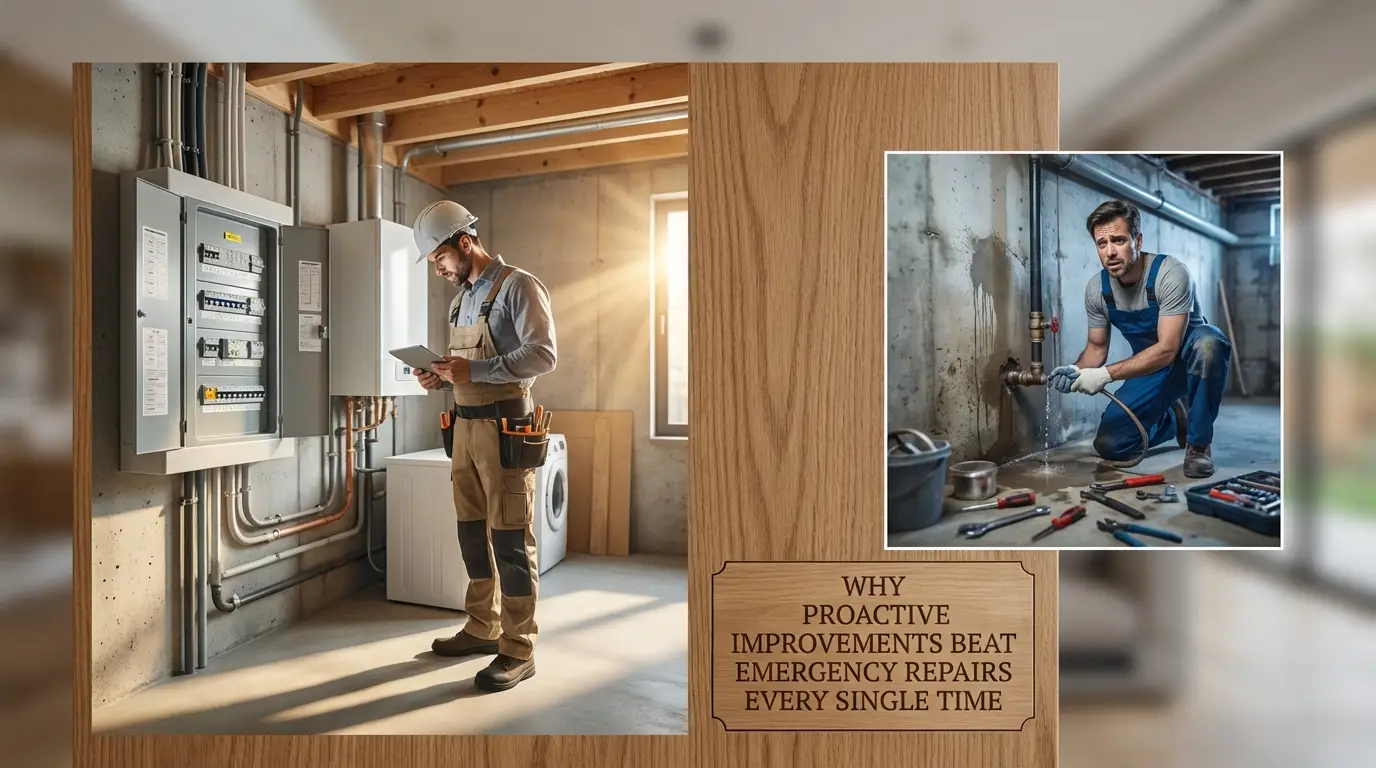
In the Greater Toronto Area, homeownership entails managing the delicate balance between maintaining property integrity and adapting to the region’s distinct climate challenges. The unpredictable swings from humid summers to freezing winters pose continuous stress on a home’s systems and structures, making maintenance more than just upkeep—it becomes strategic. When unexpected failures occur, the disruption extends beyond inconvenience; it threatens long-term value and operational continuity of the home. Hence, understanding why proactive improvements systematically outperform emergency repairs is essential for durable, resilient home management in communities like Toronto, Vaughan, and Mississauga.
Homeowners who embrace proactive interventions gain the upper hand by addressing wear and vulnerabilities early. This approach not only stabilizes the physical state of their investment but also optimizes resource allocation throughout the year. Rather than scrambling to fix sudden breakdowns under pressure, managing maintenance through scheduled, data-informed steps minimizes downtime and preserves reliability. The shift from reactive emergency responses to preventive maintenance generates a ripple effect—improving safety, enhancing efficiency, and unlocking long-term cost savings critical in high-value residential environments.
Understanding the Technical Dynamics of Proactive vs. Reactive Maintenance in GTA Homes
Proactive maintenance involves systematically scheduled inspections, repairs, and upgrades that anticipate failures before they manifest. In the varied seasonal landscape of Toronto and neighboring cities, the technical underpinnings are profoundly linked to how materials and systems perform under environmental stress.
Consider the building envelope, which protects the home from moisture ingress, temperature fluctuations, and air infiltration. Proactive improvement strategies involve assessing and enhancing the envelope’s components—such as windows, insulation, and sealing—to prevent internal damage. For example, repeated freeze-thaw cycles in the winter can cause micro-cracking in concrete and masonry if left unaddressed. Detecting such early signs allows targeted interventions to preserve structural integrity long before emergency cracks enlarge and result in costly repairs.
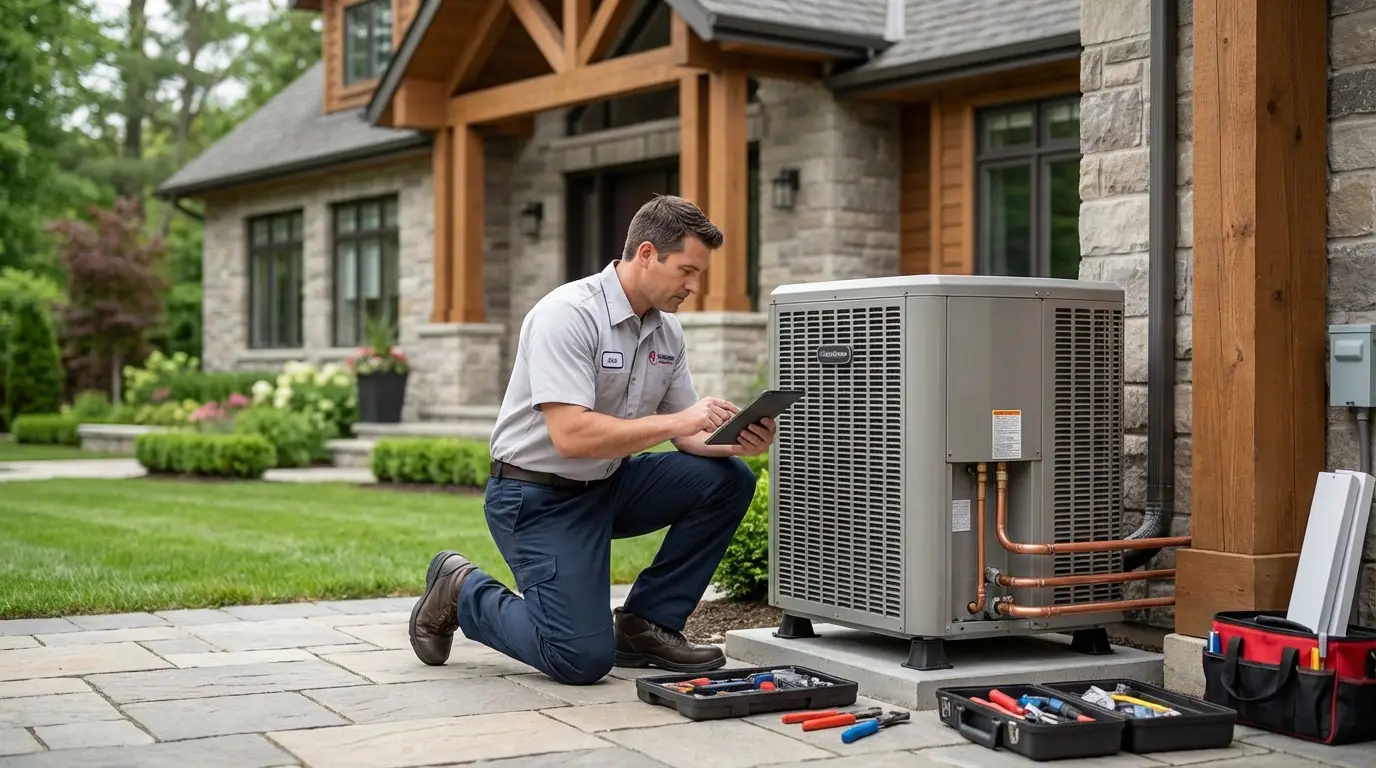
Similarly, proactive maintenance of mechanical systems such as HVAC units revolves around frequent filter replacements and performance diagnostics. In regions like Mississauga, where humidity can peak in summer, neglecting HVAC upkeep risks mold growth and system failure. Proactive inspection reveals inefficiencies, allowing technicians to recalibrate or replace components, maintaining airflow and reducing energy consumption. These measures contrast sharply with emergency repairs, which typically address catastrophic failure after productivity and comfort suffer.
Furthermore, the choice of materials and installation methods in initial upgrades speaks to contractor-level insight. Selecting durable subfloors that resist humidity-induced warping or optimizing drainage systems in high-rainfall areas like Brampton reflects a mastery of local conditions. Such decisions minimize reactive interventions, extending asset longevity and reducing risk management burdens. This layered technical knowledge is indispensable for homeowners seeking not just short-term fixes but sustainable resilience in their investments.
Key Recommendations for Implementing Proactive Maintenance to Outperform Emergency Repairs
- Establish Regular Inspection Protocols: Develop and adhere to scheduled inspections of crucial systems such as roofing, plumbing, and electrical components to identify wear before failure occurs.
- Invest in Predictive Diagnostics: Utilize technologies like thermal imaging and vibration analysis to detect anomalies invisible to the naked eye, enabling targeted interventions early on.
- Upgrade Materials with Longevity in Mind: Select construction and retrofit materials known for durability under GTA climatic conditions, such as moisture-resistant drywall and rot-resistant lumber.
- Implement Comprehensive Seasonal Maintenance: Align maintenance activities with seasonal cycles—for instance, early fall HVAC servicing to prepare for winter demands reduces unexpected disruptions.
- Maintain Detailed Maintenance Logs: Track all service activities and observations comprehensively, facilitating pattern recognition and informed decision-making.
- Partner with Skilled Contractors Familiar with Local Challenges: Ensure service providers understand the nuances of the Toronto climate and construction standards for quality, lasting results.
- Plan for Incremental Improvements: Break down major projects into manageable phases, allowing budget accommodation while systematically enhancing critical property areas.
- Emphasize Home Envelope Enhancements: Attend to weatherproofing, sealing, and insulation upgrades that mitigate moisture ingress and thermal losses, critical for energy efficiency and durability.
- Use Data-Driven Scheduling Tools: Employ tools enabling predictive maintenance scheduling and resource planning that reduce downtime and enhance efficiency.
- Incorporate Safety and Compliance Checks: Regularly verify system adherence to Ontario’s safety codes and regulations, minimizing liability risks and ensuring occupant safety.
Pro Contractor Tip: When inspecting aging HVAC systems, look beyond filter changes. Checking refrigerant levels and compressor operation with electronic gauges can reveal early signs of leakages or mechanical wear, enabling fixes before system failures force costly emergency replacements.
The CNG Contracting Approach to Proactive Home Improvements in Toronto and Surrounding Areas
At CNG Contracting, the commitment to proactive improvements is rooted in a comprehensive understanding of the GTA’s specific construction challenges. Our technical teams emphasize thorough Diagnostic Visits that systematically assess the property’s current condition and highlight risk areas before failures occur. This inspection fee is fully credited toward any subsequent repair or upgrade project, ensuring homeowners invest wisely without concern for redundant expenses.
Our proactive strategies extend from precision upgrades in the home envelope—such as enhancing insulation and sealing—to expert installation of durable HVAC components optimized for Toronto’s climate variability. This translates into fewer emergency calls and improved system reliability that maintains occupancy comfort throughout seasonal transitions.
By integrating predictive maintenance tools and customized Annual Maintenance Plans, we help homeowners in Vaughan, Mississauga, and Richmond Hill achieve maintenance efficiency that protects property value over decades. This methodical oversight reduces operational downtime and—importantly—supports long-term cost savings as proactive improvements prevent the cascading damages often seen in reactive emergency repairs.
Our approach is deliberately engineered for efficiency and reliability, designed to mitigate risks associated with component failure, moisture damage, and structural fatigue common in GTA homes. When facing critical asset concerns, we invite property owners to book a Professional Diagnostic Visit to obtain a detailed assessment and personalized improvement roadmap tailored to their home’s needs.
Technical Comparison of Maintenance Scenarios Impacting Toronto Homeowners
| Situation/Strategy | Risk Level | Proactive Benefit |
|---|---|---|
| Reactive repair only after failure | High risk of extended downtime, higher overall costs, and safety hazards. | Suffers from unpredictability and costly emergency interventions that disrupt household routine. |
| Scheduled preventive maintenance quarterly | Moderate risk but reduces emergency occurrences significantly. | Improves asset reliability and allows for better budgeting and resource management. |
| Annual comprehensive diagnostic inspection | Low risk due to early detection of potential issues. | Enables strategic intervention planning, maximizing equipment and structure longevity. |
| Use of advanced predictive analytics technology | Minimal risk with real-time monitoring that prevents sudden failures. | Optimizes maintenance schedules and minimizes downtime through data-driven decision-making. |
| Ignoring all maintenance due to perceived cost savings | Extreme risk: imminent failures causing costly structural damage and safety risks. | Potential catastrophic consequences with no benefit; false economy. |
Professional Invitation to Enhance Property Reliability in Toronto and Surrounding Areas
For homeowners in Toronto, Vaughan, Oakville, and nearby communities, maintaining property performance isn’t just about quick fixes—it’s a commitment to sustainable investment. CNG Contracting offers expert guidance and hands-on service to transition from costly emergency repairs toward a managed, proactive improvement plan. We encourage property owners to call (647) 669-7346 or visit our Contact Us page to schedule a Diagnostic Visit. This service is an insightful first step, with the visit fee fully credited toward any approved repair or upgrade project.
Technical Glossary of Key Terms in Proactive Home Maintenance
- Proactive Maintenance: A scheduled and data-informed approach to maintaining home systems before failures occur.
- Building Envelope: The physical barrier of a home, including walls, roofs, windows, and doors that protects from weather exposure.
- Predictive Analytics: Technology that uses data and sensors to anticipate equipment failures and optimize maintenance timing.
- Thermal Imaging: A diagnostic method that detects heat variations in structural elements indicating moisture or electrical issues.
- HVAC System: Heating, Ventilation, and Air Conditioning equipment critical to indoor comfort and air quality management.
What exactly is the main advantage of proactive improvements versus emergency repairs?
Proactive improvements address potential issues before they escalate, reducing downtime, safeguarding property integrity, and optimizing budgets through planned maintenance instead of costly, disruptive emergency fixes.
How often should homeowners in the GTA schedule preventive maintenance?
Quarterly inspections for essential systems are recommended, with annual comprehensive diagnostic reviews to anticipate and mitigate emerging risks effectively.
What role does technology play in proactive home maintenance?
Technologies such as thermal imaging, predictive analytics, and real-time monitoring enable early detection of problems, improving maintenance effectiveness and reducing emergency interventions.
Can proactive maintenance strategies lead to cost savings?
Yes, by preventing major failures and enabling planned repairs, proactive maintenance improves long-term financial predictability and reduces urgent repair expenses.
Are emergency repairs still necessary?
Emergency repairs are unavoidable in rare cases, but a robust proactive maintenance plan minimizes their frequency and impact significantly.