
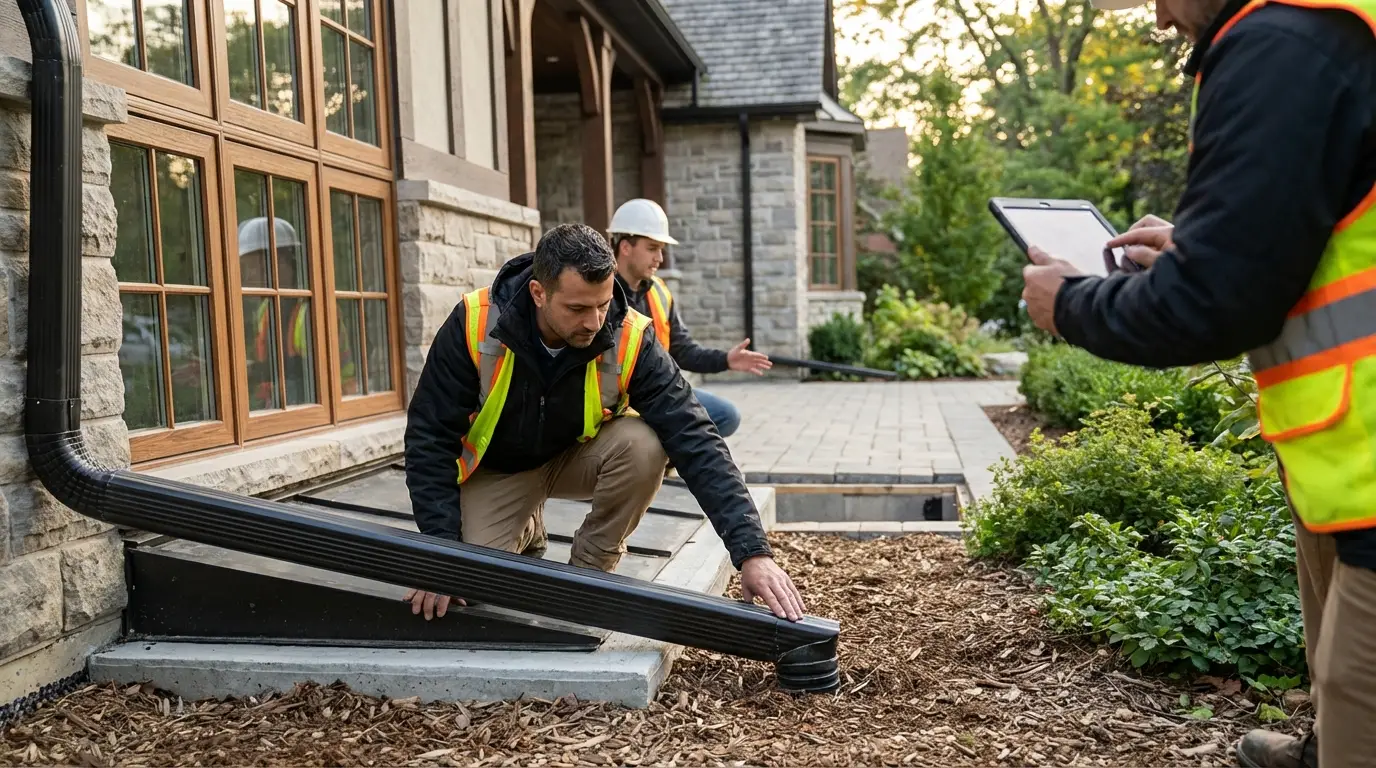
The Greater Toronto Area’s diverse climate demands strategic choices when considering home upgrades that preserve and enhance interior value. With fluctuating weather patterns ranging from harsh winters to humid summers, the right exterior improvements can prevent costly damage and protect the structural integrity of homes across Toronto, Vaughan, Mississauga, Brampton, Oakville, and Richmond Hill.
Investing in the home’s exterior not only boosts curb appeal but also acts as a first line of defense against environmental elements. This proactive approach to home protection aligns with the evolving priorities of homeowners in 2026, who are increasingly aware that external upgrades translate directly into long-term property maintenance savings and increased market value.
Technical Foundations Behind Exterior Upgrades Guarding Interior Value
Understanding the anatomy of how exterior components interact with interior systems is essential for effective upgrades. Beneath the aesthetic façade lies a complex network of materials and structural elements designed to withstand moisture infiltration, temperature swings, and physical wear.
For instance, wall cladding and siding serve as the primary shield against weatherproofing failure. In the GTA’s climate, where humidity levels vary significantly throughout the year, selecting durable materials that resist warping, mold growth, and freeze-thaw degradation is critical. Fiber-cement siding and high-quality vinyl offer substantial advantages over wood in these respects, providing a moisture-resistant barrier that directly protects the drywall and insulation behind.
Proper installation techniques, including weather-resistant barriers and sealed joints, reinforce this protection. Addressing thermal bridging within the exterior envelope enhances energy efficiency and reduces pressure on HVAC systems — an increasingly vital consideration as energy costs surge.
Similarly, roofing upgrades contribute massively to maintaining interior comfort and safeguarding structural integrity. High-performance asphalt shingles or metal roofing reduce the risk of water infiltration during heavy rains or snowmelt. Flashing around vents and chimneys must be precisely installed to avoid gaps where moisture can breach the building envelope.
The foundation’s external waterproofing is another critical but often overlooked variable. Drainage systems like weeping tiles and grading away from the building prevent groundwater from seeping into basements, preserving the finished spaces below. Without addressing these technical layers, internal upgrades become vulnerable to damage, thereby reducing home value instead of increasing it.
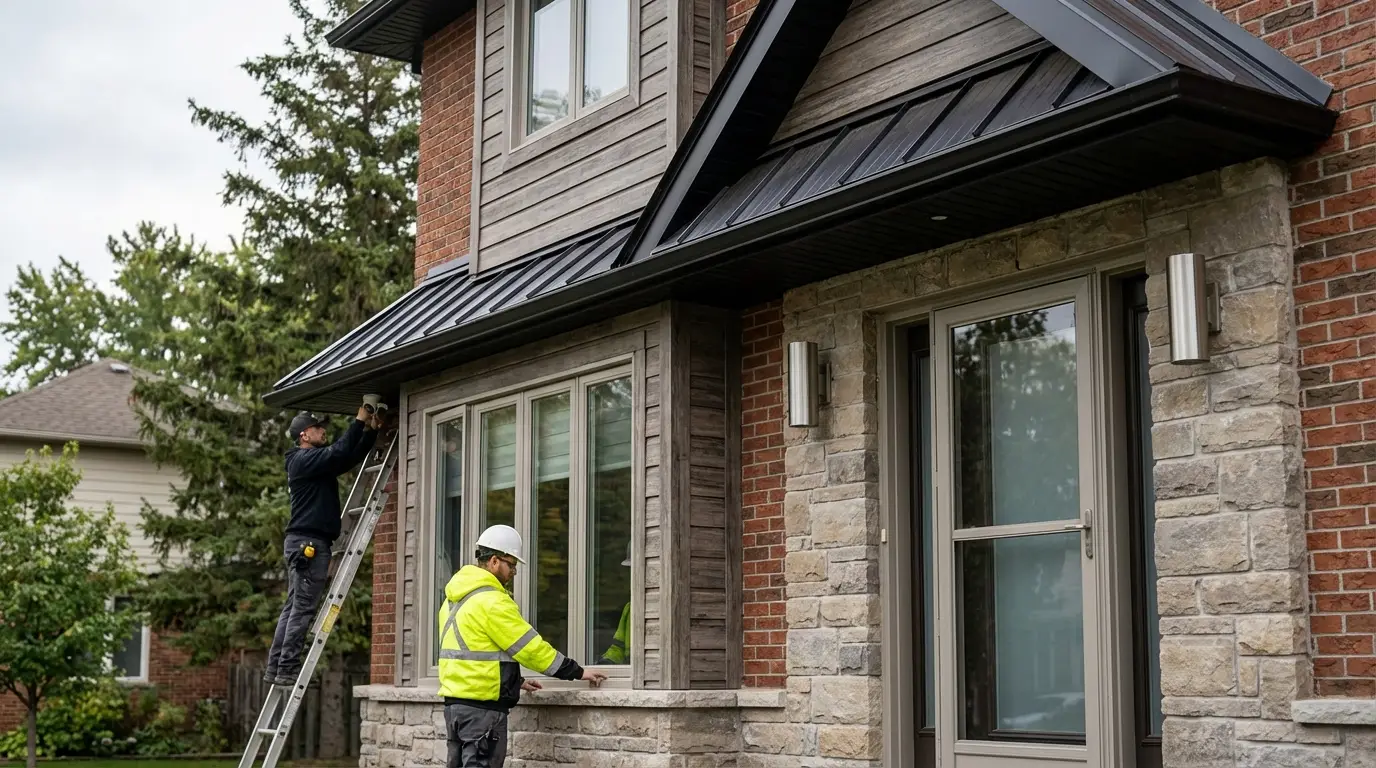
Strategic Steps to Maximize Exterior Upgrades for Interior Value Protection
- Evaluate Material Durability: Prioritize siding, roofing, and window materials designed specifically for the GTA climate’s freeze-thaw cycles and humidity. Materials must resist rot, mold, and UV degradation to preserve structural integrity.
- Enhance Weatherproofing Layers: Incorporate high-performance house wraps and sealants during renovations to minimize moisture ingress behind cladding systems.
- Upgrade Energy Efficiency: Replace older windows and exterior doors with energy-star certified models to reduce heat loss and improve indoor comfort year-round.
- Improve Exterior Drainage: Ensure grading slopes direct water away from the foundation and install or update gutter systems to prevent saturation and basement leaks.
- Invest in Garage and Entry Door Quality: These are focal points of curb appeal and critical barriers; steel doors with insulation cores offer durability and security enhancements.
- Maintain Regular Exterior Inspections: Schedule seasonal professional inspections to identify emerging issues like wood rot, cracked caulking, or damaged flashing early.
- Incorporate Security Enhancements: Modern security lighting, cameras, and smart locks not only defend against break-ins but boost buyer appeal for tech-savvy homeowners.
- Integrate Thoughtful Landscaping Drainage: Utilize permeable surfaces and manage downspouts to limit water run-off near the foundation.
- Seek Professional Diagnostic Visits: Engage trusted contractors to perform full diagnostics that evaluate the home envelope’s condition before commencing upgrades.
Pro Contractor Tip: During exterior inspections, test for air leaks using thermal imaging cameras early in the planning phase to precisely target weatherproofing weak points, saving costly rework later.
How CNG Contracting Safeguards Your Home’s Interior Through Expert Exterior Solutions
With a keen eye for long-term value protection, our approach at CNG Contracting focuses on comprehensive exterior renovations tailored to protect your home’s interior. Utilizing regionally tested materials and installation methods optimized for unique GTA weather variables, we ensure upgrades provide lasting benefits.
Our full renovation services include thorough structural assessments and implement targeted improvements from roof to foundation. Every Diagnostic Visit we provide is a crucial first step that uncovers hidden vulnerabilities no homeowner can identify visually. Notably, this visit fee is fully credited toward any approved project, supporting transparency and trust.
We service the broader GTA, including Toronto, Vaughan, Mississauga, Brampton, Oakville, and Richmond Hill, bringing unmatched local expertise to each property. Our focus remains on tailored solutions that enhance curb appeal, improve energy efficiency, and enforce robust weatherproofing for home improvement investments that last.
Scenario-Based Technical Comparison: Addressing Exterior Conditions for Interior Preservation
| Situation/Strategy | Risk Level | Proactive Benefit |
|---|---|---|
| Original vinyl siding with cracked seals | High (water infiltration, mold risk) | Replacing with fiber-cement siding mitigates moisture damage and improves lifespan |
| Traditional single-pane windows | Medium (heat loss, condensation forming) | Installing ENERGY STAR certified windows improves comfort and reduces energy bills |
| Older asphalt roof nearing end of life | High (leaks, structural decay) | Metal roofing upgrade reduces maintenance and enhances durability for decades |
| Inadequate foundation drainage | Critical (basement flooding) | External waterproofing and proper grading safeguard basement and lower floors |
| Outdated wooden entry door | Medium (security, insulation loss) | Steel door installation offers improved security and energy efficiency features |
Take Action: Protect Your Home’s Interior by Booking a Professional Diagnostic Visit
To truly safeguard your home’s interior value, it’s essential to understand the condition of your home’s exterior envelope comprehensively. Call (647) 669-7346 or visit our Contact Us page today to schedule a Professional Diagnostic Visit. Every inspection is thorough and competitive, with the charged fee fully credited toward your final project.
Don’t leave your home’s protection to chance—leverage expert insight to pinpoint weak spots before costly damage occurs. CNG Contracting is proud to offer responsive and expert services throughout the GTA, ensuring your investment withstands the toughest seasonal cycles.
Technical Glossary of Critical Terms for Exterior Home Upgrades
- Fiber-Cement Siding: A durable exterior cladding material composed of cement, sand, and cellulose fibers known for resistance to moisture and fire.
- Weather-Resistant Barrier (WRB): A membrane or house wrap installed under siding to prevent water penetration while allowing vapor to escape.
- Thermal Bridging: Heat transfer through building materials like metal studs or uninsulated framing that reduces energy efficiency.
- Drainage Weeping Tiles: Perforated pipes installed around foundations that channel groundwater away from the structure.
- Flashing: Thin metal pieces installed around roof and wall joints to direct water away and prevent infiltration.
In this video, industry experts detail practical exterior renovation techniques focused on shielding interior spaces and increasing overall home value.
Explore energy efficiency improvements for exterior renovations, including windows, doors, and insulation, tailored for variable climates like Toronto’s.
{“@context”:”https://schema.org”,”@type”:”FAQPage”,”mainEntity”:[{“@type”:”Question”,”name”:”What external upgrade offers the best return to protect my homeu2019s interior?”,”acceptedAnswer”:{“@type”:”Answer”,”text”:”Upgrading siding to fiber-cement with improved weatherproofing offers significant protection against moisture infiltration and preserves interior finishes. Combined with high-efficiency windows and proper drainage, itu2019s a comprehensive approach.”}},{“@type”:”Question”,”name”:”How often should I schedule exterior inspections to maintain home value?”,”acceptedAnswer”:{“@type”:”Answer”,”text”:”Seasonal inspections, ideally biannually in spring and fall, help catch issues early before they compromise interior structures. Professional Diagnostic Visits add precision to these assessments.”}},{“@type”:”Question”,”name”:”Are steel entry doors really more energy efficient?”,”acceptedAnswer”:{“@type”:”Answer”,”text”:”Yes, steel doors with insulated cores have superior thermal properties compared to older wooden doors, enhancing energy efficiency and security simultaneously.”}},{“@type”:”Question”,”name”:”Can landscaping changes around the exterior affect interior protection?”,”acceptedAnswer”:{“@type”:”Answer”,”text”:”Certainly. Proper grading and permeable landscaping reduce water pooling near foundations, preventing basement moisture problems and protecting interior spaces.”}},{“@type”:”Question”,”name”:”Does replacing windows significantly affect home energy costs?”,”acceptedAnswer”:{“@type”:”Answer”,”text”:”Replacing single-pane or outdated windows with ENERGY STAR certified models can greatly reduce heat loss, lowering energy bills and increasing year-round comfort.”}}]}What external upgrade offers the best return to protect my home’s interior?
Upgrading siding to fiber-cement with improved weatherproofing offers significant protection against moisture infiltration and preserves interior finishes. Combined with high-efficiency windows and proper drainage, it’s a comprehensive approach.
How often should I schedule exterior inspections to maintain home value?
Seasonal inspections, ideally biannually in spring and fall, help catch issues early before they compromise interior structures. Professional Diagnostic Visits add precision to these assessments.
Are steel entry doors really more energy efficient?
Yes, steel doors with insulated cores have superior thermal properties compared to older wooden doors, enhancing energy efficiency and security simultaneously.
Can landscaping changes around the exterior affect interior protection?
Certainly. Proper grading and permeable landscaping reduce water pooling near foundations, preventing basement moisture problems and protecting interior spaces.
Does replacing windows significantly affect home energy costs?
Replacing single-pane or outdated windows with ENERGY STAR certified models can greatly reduce heat loss, lowering energy bills and increasing year-round comfort.