
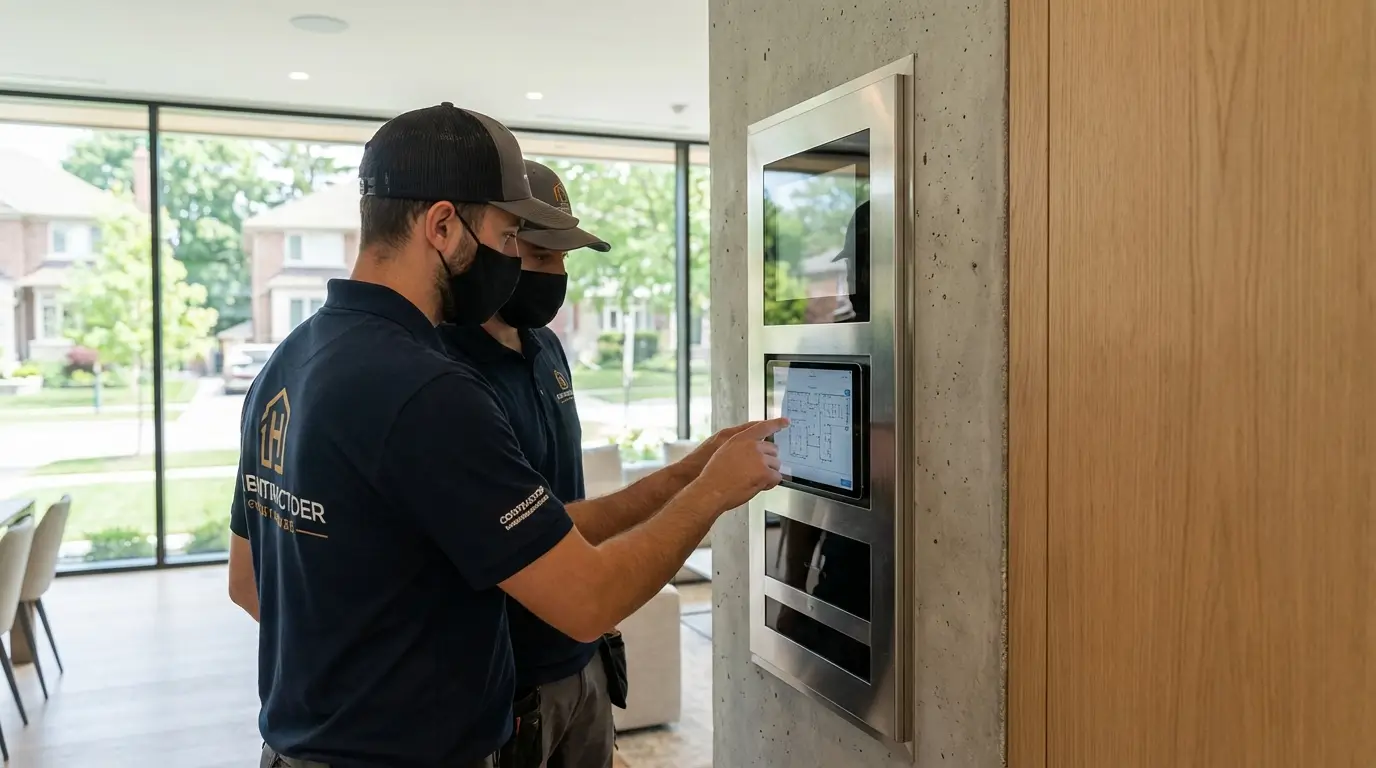
Successful real estate investors in Toronto leverage a strategic approach that goes far beyond simply purchasing properties. In an ever-evolving market influenced by shifting economic conditions, demographic trends, and local policies, understanding how to read these signals and act decisively is paramount. This mastery involves connecting micro-level improvements with broader market dynamics, ensuring durability, sustainability, and optimal returns in one of Canada’s most competitive real estate landscapes.
Toronto’s diverse economy, population growth, and recent policy changes create both challenges and opportunities. The secret weapon lies in adopting a comprehensive investment strategy that balances cash flow, capital growth, and portfolio scalability, all while navigating technical realities behind property structures and municipal regulations. For investors focusing on long-term wealth building, this blueprint empowers smarter decisions tailored to the Greater Toronto Area’s unique landscape.
Understanding the Critical Impact of Toronto’s Local Climate and Market Dynamics on Real Estate Investments
Toronto’s property market operates within a distinctive environmental and economic context. Homeowners and investors alike must grasp the effects of local climate patterns—especially humidity and seasonal temperature variations—on building materials and design choices. For instance, Toronto’s humid summers require subfloor materials and structural components that resist warping, decay, or mold growth, enhancing the durability and structural integrity of investment properties.
Aside from physical factors, Toronto’s rapidly evolving real estate trends, including zoning reforms and transit development projects, continue shaping property values and rental demands. Strategic investors need to integrate these elements into their investment models to maintain sustainability beyond market cycles. The interplay between technical resilience and market timing is key to unlocking higher capital growth and portfolio longevity in this dynamic environment.
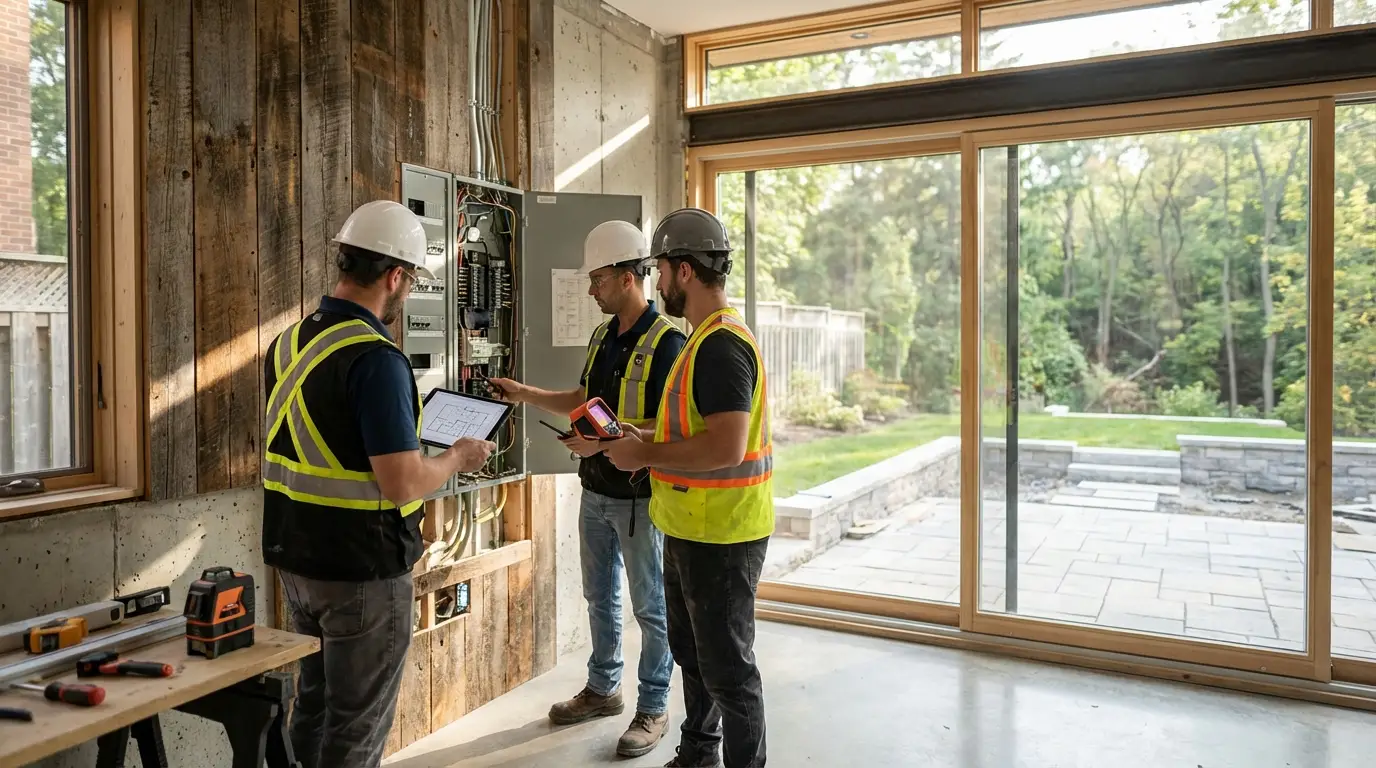
The Engineering Behind Sustainable Real Estate Investments in Toronto
Investors aiming for success in Toronto’s competitive landscape must recognize what happens beneath the surface of their properties. Structural integrity, material performance, and compliance with local building codes are far from secondary concerns; they define the longevity and profitability of investments. Toronto’s humid continental climate subjects building materials to cyclical stress from moisture and temperature swings, which demands the use of resilient framing, moisture barriers, and advanced foundation systems.
Technical decisions such as opting for pressure-treated lumber or engineered subfloors mitigate risks of warping and rot common in the GTA. Foundations require specialized solutions to manage soil conditions prevalent in Vaughan or Richmond Hill, including frost heave protection and drainage enhancements. Furthermore, modernizing existing structures with structural reinforcements or converting single-family homes into multiplex units aligns with zoning changes and market demand, enabling investors to capitalize on property versatility.
Understanding the science behind these construction strategies enables real estate investors not only to optimize property condition but also to project maintenance costs accurately, improving cash flow forecasts and reinforcing the foundational pillars of their investments.
Seven Essential Contractor Tips to Maximize Real Estate Investment Returns in Toronto
- Conduct thorough foundational assessments: Early detection of stress or movement is crucial; investing in professional evaluations prevents costly future repairs.
- Choose durable, climate-resilient materials: Prioritize materials suited for Toronto’s humid summers and cold winters to ensure long-term performance.
- Align renovations with zoning laws and local policies: Leverage changes such as the “missing middle” initiatives to add legal units and dramatically increase property value.
- Optimize space with smart conversions: Transforming basements or garden suites into rental units can enhance cash flow without extensive construction.
- Collaborate with a reliable technical team: Engage contractors familiar with Toronto’s building codes and climate challenges to avoid regulatory pitfalls and substandard results.
- Incorporate energy-efficient retrofits: Installing modern insulation and HVAC systems not only meets evolving standards but also attracts quality tenants and reduces operating costs.
- Plan for scalability: Design upgrades and additions with future expansions in mind to capitalize on continuous market evolution and increasing housing demand.
- Maintain accurate documentation: Clear records of improvements enhance property appraisal and streamline refinancing processes.
- Focus on high-impact upgrades: Prioritize projects that directly increase rental income or property appreciation, such as bathroom upgrades or adding kitchens to secondary suites.
- Monitor tenant feedback and property performance: Regularly assess tenant satisfaction and property condition to ensure ongoing return on investment.
The most successful investors never overlook the property’s foundation during inspections—a minor issue in the footings can snowball into tens of thousands in structural repairs if ignored early. Always seek a structural modernization assessment in Toronto before committing to a purchase.
How CNG Contracting Empowers Toronto Investors with Technical Excellence and Precision Diagnostics
CNG Contracting approaches real estate investing challenges with a precise, engineering-minded lens, assisting Toronto property owners and investors at every stage of their projects. Our Professional Diagnostic Visit is a comprehensive on-site assessment that evaluates foundational integrity, structural systems, and modern upgrade opportunities. This visit is designed to empower investors with actionable insights and a tailored plan that fits within their investment strategy.
Whether clients are based in Toronto, Vaughan, or Mississauga, CNG Contracting delivers expert recommendations designed for durability and optimal financial performance. The fee for this Diagnostic Visit is fully credited toward the final project, reflecting our confidence in delivering value from day one. Early diagnostics identify hidden risks, helping investors avoid costly surprises and harness growth potential through targeted upgrades. Interested parties can easily book an expert consultation to start maximizing their asset’s value today.
Comparing Investment Strategies and Their Technical Implications in Toronto’s Market
| Situation/Strategy | Risk Level | Proactive Benefit |
|---|---|---|
| Investing in Condos with 20% Downpayment | Moderate | Break-even cash flow potential with legal protections and lower maintenance requirements |
| Purchasing Income Properties with Basement Suites | Medium to High | Higher appreciation potential and mortgage paydown through rental income but requires hands-on management |
| House Flipping in Hot Neighborhoods | High | Potential for quick profits but sensitive to cost overruns and market timing challenges |
| Developing Laneway or Garden Suites Under New Zoning | Low to Medium | Creates new revenue streams and takes advantage of municipal policy support for density |
| Acquiring Mixed-Use Properties | Medium | Diversifies income sources and leverages commercial rental markets |
Tailored Investment Strategies for Toronto’s Urban Real Estate Landscape
Investors must embrace a master plan recognizing Toronto’s unique regulatory environment, demographic trends, and technical realities. Sequencing improvements such as structural modernization with foundational stress mitigation brings increasing returns. For example, a strategic home addition, supported by expert diagnostics, can unlock additional suites or rentable spaces, creating scalable income streams relevant to neighborhoods like Brampton, Oakville, or Richmond Hill. CNG’s expertise in home additions and foundation stress solutions ensures investments remain sound and compliant.
Long-term value is achieved by focusing on multifamily conversions, legal basement suites, and utilizing the latest municipal zoning changes. This approach not only protects assets against Toronto’s environmental stresses but also capitalizes on the city’s growing population and rental demand. Partnering with knowledgeable contractors familiar with local market nuances safeguards investors’ portfolios while enabling them to keep pace with emerging real estate trends.
The Strategic Advantage of Leveraging Professional Maintenance and Upgrade Plans
Maintaining and improving investment properties in the GTA requires more than reactive repairs. A professional maintenance trajectory aligned with market conditions and technical needs supports sustained property performance. Routine assessments, energy-efficient upgrades, and preventative structural modernization are essential to preserving capital growth and cash flow stability.
Investors in Toronto increasingly adopt annual maintenance plans and scheduled upgrades to mitigate the risks of deferred upkeep. These plans also enable flexibility for seasonal services that address climate-specific wear and tear, such as freeze-thaw cycles or moisture intrusion. Outsourcing certain handyman services ensures timely interventions, minimizing vacancy periods and protecting tenant satisfaction. These professional frameworks align with investor goals focused on scalability and long-term portfolio resilience.
Critical Terms for Toronto Real Estate Investors to Master
- Capital Growth: Increase in property value over time due to market appreciation and strategic improvements.
- Cash Flow: The net income from rental operations after all expenses and mortgage payments.
- Structural Modernization: Upgrading or reinforcing a property’s foundational and framing systems to improve integrity and longevity.
- Zoning: Municipal regulations governing land use, building types, and allowable units per property.
- Return on Investment (ROI): Comprehensive measure of financial returns, combining cash flow, appreciation, and equity gain.
FAQ About Toronto Real Estate Investment Strategies
{“@context”:”https://schema.org”,”@type”:”FAQPage”,”mainEntity”:[{“@type”:”Question”,”name”:”What makes Toronto a strong market for real estate investors?”,”acceptedAnswer”:{“@type”:”Answer”,”text”:”Toronto’s diverse economy, continuous population growth, and ongoing infrastructure investments create strong demand for rental properties and long-term capital appreciation.”}},{“@type”:”Question”,”name”:”How can I maximize cash flow in Toronto investment properties?”,”acceptedAnswer”:{“@type”:”Answer”,”text”:”Focus on multi-unit properties with legal basement suites or garden suites; also ensure renovations increase rental appeal while managing expenses carefully.”}},{“@type”:”Question”,”name”:”What are the key technical considerations when renovating investment properties in Toronto?”,”acceptedAnswer”:{“@type”:”Answer”,”text”:”Durable materials suited for local climate, proper foundation assessments, and compliance with zoning laws are essential to avoid costly issues and maintain structural integrity.”}},{“@type”:”Question”,”name”:”Why is a professional diagnostic visit important before investing in a property?”,”acceptedAnswer”:{“@type”:”Answer”,”text”:”It identifies hidden structural or foundation issues and provides a tailored upgrade roadmap that helps avoid surprises and maximize investment returns.”}},{“@type”:”Question”,”name”:”How do recent zoning policy changes affect investment opportunities in Toronto?”,”acceptedAnswer”:{“@type”:”Answer”,”text”:”Policies enabling multiplexes and laneway suites increase density potential, allowing investors to add income units legally and boost long-term property value.”}}]}What makes Toronto a strong market for real estate investors?
Toronto’s diverse economy, continuous population growth, and ongoing infrastructure investments create strong demand for rental properties and long-term capital appreciation.
How can I maximize cash flow in Toronto investment properties?
Focus on multi-unit properties with legal basement suites or garden suites; also ensure renovations increase rental appeal while managing expenses carefully.
What are the key technical considerations when renovating investment properties in Toronto?
Durable materials suited for local climate, proper foundation assessments, and compliance with zoning laws are essential to avoid costly issues and maintain structural integrity.
Why is a professional diagnostic visit important before investing in a property?
It identifies hidden structural or foundation issues and provides a tailored upgrade roadmap that helps avoid surprises and maximize investment returns.
How do recent zoning policy changes affect investment opportunities in Toronto?
Policies enabling multiplexes and laneway suites increase density potential, allowing investors to add income units legally and boost long-term property value.