
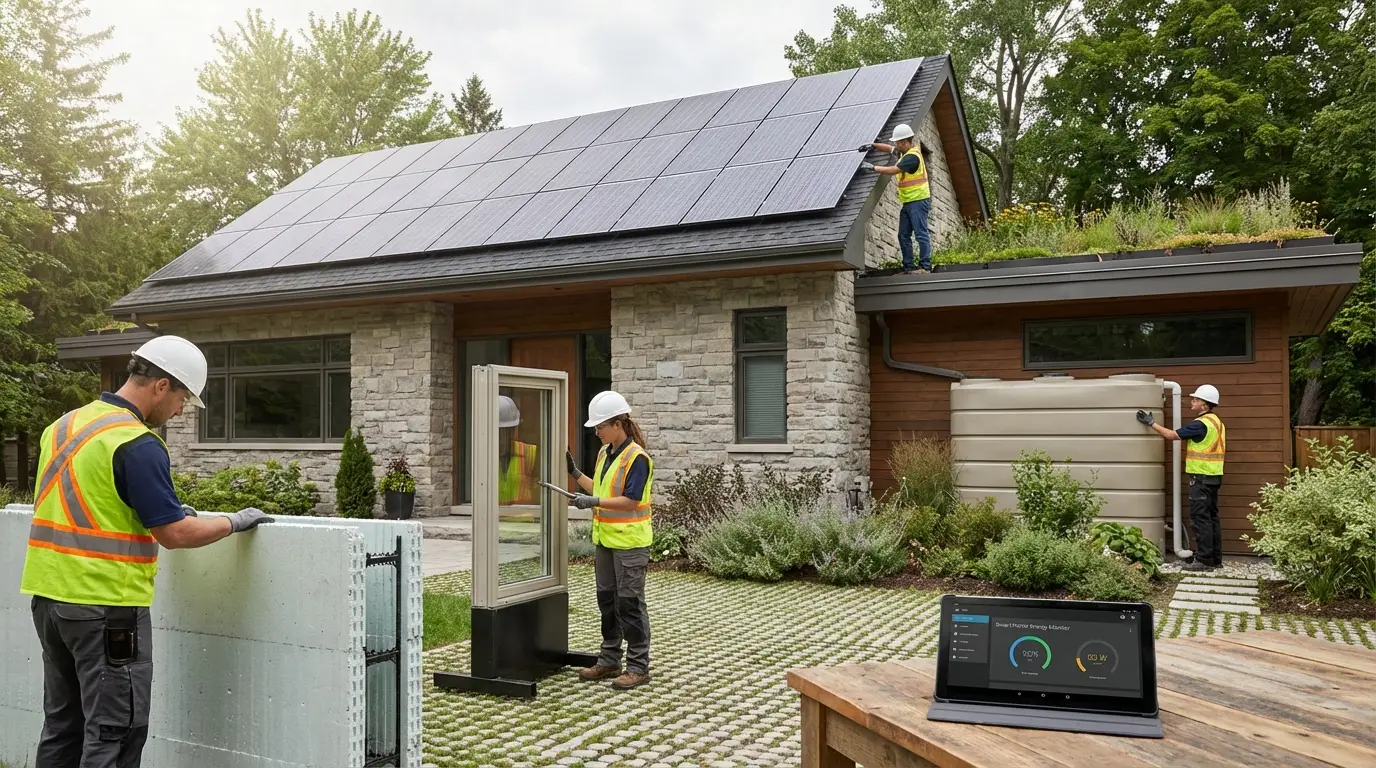
In the bustling regions of the Greater Toronto Area—including Toronto, Vaughan, Mississauga, Brampton, Oakville, and Richmond Hill—the increasing emphasis on sustainability has become a defining trend for homeowners aiming to extend the life and value of their properties. Given the unpredictable climate and growing environmental concerns, making your property more environmentally friendly is not merely an aesthetic choice but a strategic investment in durability and efficiency. These changes contribute to significant energy efficiency improvements, reduce your carbon footprint, and enhance water conservation, all while supporting local infrastructure resilience. The adoption of green building principles can not only align your property with the broader sustainability goals of the region but also enhance the structural integrity and comfort of your living space.
It’s important to understand that environmental improvements extend beyond renewable energy installations or recycling bins; they involve integrating advanced construction techniques and materials geared toward long-term resource optimization and environmental responsibility. Small, informed modifications—ranging from insulation upgrades to eco-friendly material use—can have compounding effects that elevate the sustainability of your home without sacrificing its style or livability. This approach emphasizes the master plan concept of building for longevity and functional value rather than quick fixes or trends. In a city like Toronto, where seasonal temperature swings and humidity stress traditional materials, these proactive adjustments are essential in maintaining both eco-consciousness and property longevity.
Technical Understanding of Environmental Changes in Residential Properties
Behind every sustainable home upgrade lies a comprehensive technical rationale focusing on reducing resource consumption while enhancing durability. Understanding the inner workings of your property’s energy flow, water management, and material resilience is fundamental to implementing effective improvements that align with Ontario’s local climate demands. For instance, insulation technology isn’t simply about heating or cooling efficiency; it directly mitigates thermal bridging and prevents moisture-related deterioration, which is critical in Toronto’s humid summers and freezing winters.
Renewable energy integration, such as solar panels, offers more than just energy savings—it alters the entire electrical demand pattern, reducing dependency on non-renewable grid energy. The architectural placement and electrical integration of solar arrays call for precise engineering to avoid shading issues and maximize photovoltaic efficiency. Similarly, water conservation through low-flow fixtures and rainwater harvesting reflects sophisticated plumbing modifications that manage local water pressure and prevent common issues like water hammering or tsunamis that can compromise pipe integrity.
Material selection plays a pivotal role in reducing a building’s carbon footprint. For example, choosing eco-friendly materials such as recycled wood, bamboo flooring, or non-toxic paints influences not only indoor air quality but also the lifecycle impact of the renovation. Subfloor materials must be chosen with an understanding of local elevated moisture levels, which can lead to warping and mold growth if inferior products are used. Contractor realism insists on balancing the eco-friendly vision with proven product longevity under GTA weather conditions, rather than following fleeting design trends.
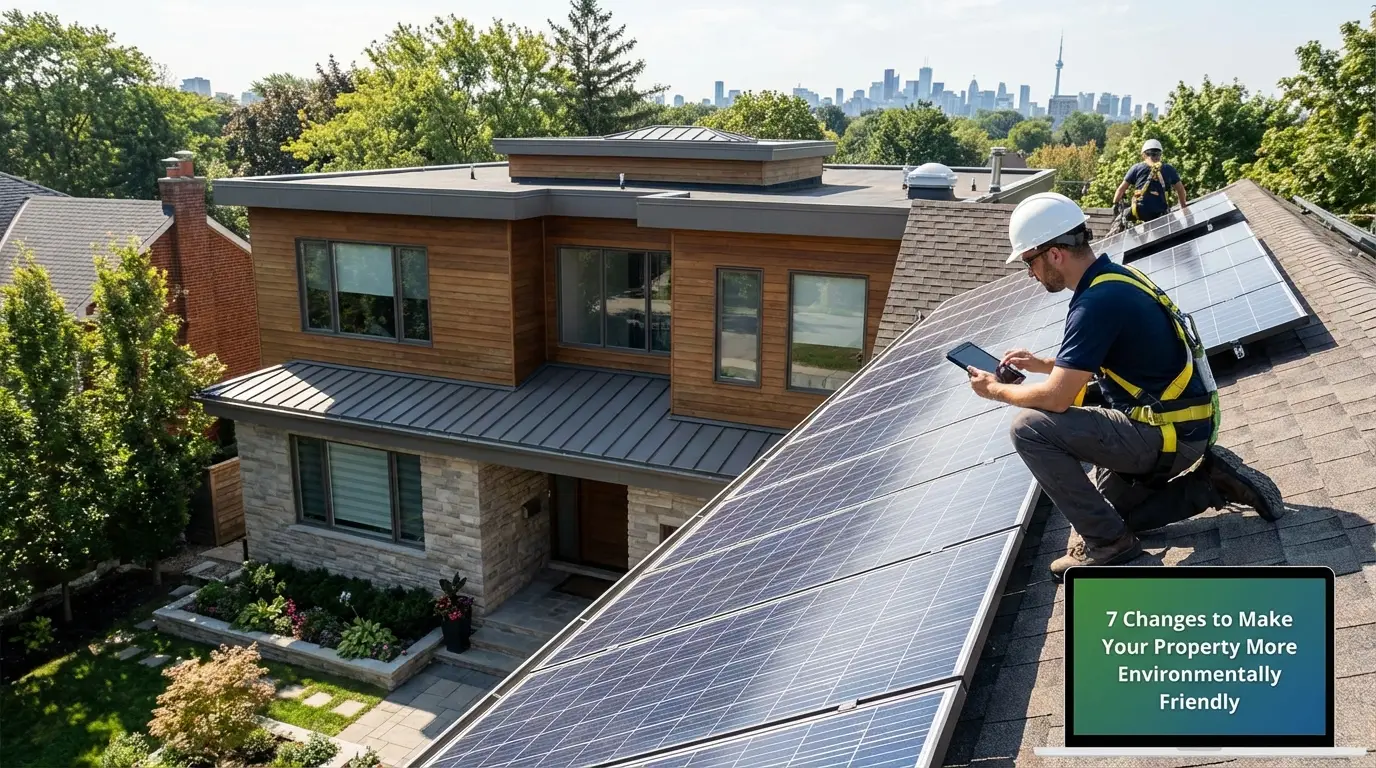
Strategic Steps to Improve Property Sustainability in the GTA
- Conduct a Comprehensive Energy Audit. Before making changes, a detailed analysis of your home’s current energy consumption identifies critical areas of inefficiency. Professional assessments reveal thermal leaks, outdated appliance performance, and insulation gaps that are less visible but major contributors to wasted energy.
- Upgrade to High-Performance Insulation. Employing advanced insulation methods tailored for Toronto’s climate improves thermal regulation and reduces HVAC load. Materials like spray foam or dense-pack cellulose ensure airtightness, which mitigates humidity risks common in the region.
- Install Solar Panels with Optimal Orientation. Solar photovoltaic systems should be sized and angled based on precise site conditions to maximize renewable energy harvest. Proper installation reduces future maintenance issues and increases lifespan, providing a stable energy source that complements grid use.
- Utilize Low-Flow and Smart Water Fixtures. Installing low-flow faucets, toilets, and showerheads, paired with smart water management systems, drastically lowers water consumption without sacrificing user comfort. These technologies adapt to user patterns and reduce unnecessary water waste.
- Choose Durable, Eco-Friendly Flooring and Finishes. Select flooring materials such as bamboo or reclaimed hardwoods, which offer strength against GTA’s humidity while minimizing environmental impact. Non-toxic, water-based finishes preserve indoor air quality and prolong material life.
- Incorporate Advanced Ventilation Systems. Mechanical ventilation with heat recovery ventilators (HRVs) promotes fresh air circulation while conserving energy. In humid climates like Toronto’s, HRVs prevent mold and improve indoor air quality by balancing humidity consistently.
- Implement Smart Home Controls Including Thermostats. Installing programmable or adaptive smart thermostats fine-tunes heating and cooling schedules according to occupancy and weather, optimizing energy efficiency without sacrificing comfort.
- Use Rainwater Harvesting Systems. Collecting and repurposing rainwater for irrigation reduces municipal water dependence and supports sustainable landscaping.
- Recycle and Upcycle Building Materials During Renovations. Instead of discarding old materials, repurpose or recycle wood, metal, and cabinetry during upgrades to reduce landfill waste while maintaining aesthetic continuity.
- Seal Windows and Doors with High-Quality Weatherstripping. Prevent draft infiltration by applying specialized seals and replacing aging caulks, which significantly enhances thermal efficiency and reduces carbon emissions linked to heating and cooling.
Pro Tip: To detect hidden air leaks effectively, consider using infrared thermography during a thermal imaging inspection. This reveals subtle temperature differentials invisible to the naked eye and guides targeted sealing efforts, providing a high-return upgrade with long-term benefits.
How CNG Contracting Advances Sustainable Home Solutions in the GTA
At CNG Contracting, our approach to environmental upgrades aligns with both homeowner goals and regional climate challenges. We begin with an exhaustive Professional Diagnostic Visit, conducted on-site across Toronto, Vaughan, and surrounding areas. This visit thoroughly assesses current conditions, identifying areas that demand intervention in insulation, water conservation, and renewable energy integration.
Our diagnostic fee is credited towards your project’s final cost, ensuring your initial investment seamlessly transitions into an actionable master plan. From there, we deploy state-of-the-art materials and construction techniques optimized for the GTA’s specific climate nuances. Our teams specialize in eco-friendly material installation, precision sealing, solar panel arrays, and smart home integration—all contributing to long-term property value and reduced carbon footprint.
Partnering with CNG means choosing a contractor who values durability as much as sustainability. We understand that temporary fixes jeopardize structural integrity; thus, each solution emphasizes performance longevity and resource efficiency. Explore our Annual Maintenance Plans and Seasonal Services for ongoing property care that supports your environmental initiatives.
Comparative Analysis of Environmental Upgrade Scenarios
| Situation/Strategy | Risk Level | Proactive Benefit |
|---|---|---|
| Ignoring Insulation Upgrades | High – Increased energy loss, potential humidity damage | Higher utility bills and premature material deterioration |
| Installing Double Glazed Windows | Low – Minor installation risks | Improved energy retention, noise reduction |
| Using Inefficient Appliances | High – Excessive energy consumption | Increased carbon footprint and operating costs |
| Converting to Solar Power | Low – Requires correct sizing and orientation | Renewable energy supply and reduced grid reliance |
| Neglecting Water Conservation Measures | Moderate – Water waste leading to higher bills | Reduced water usage and prolonged fixture life when installed |
Take the Next Step Towards Eco-Friendly Living in the GTA
When the goal is to enhance your home with meaningful environmental improvements, trust CNG Contracting to guide the process from assessment to execution. Our dedicated team serves Toronto, Vaughan, Mississauga, Brampton, Oakville, and Richmond Hill, bringing expertise in sustainable solutions customized for the unique challenges of these communities. Contact us at (647) 669-7346 or visit our Contact Us page to schedule a Professional Diagnostic Visit. Remember, this visit fee is fully credited toward your final project, making it both a smart and practical first step in your property’s sustainability journey.
Glossary of Key Technical Terms for Sustainable Home Improvements
- Energy Audit: A thorough examination of a home’s energy use to identify inefficiencies and potential upgrades.
- Heat Recovery Ventilator (HRV): A mechanical ventilation system that exchanges stale indoor air with fresh outdoor air while recovering heat to improve energy efficiency.
- Thermal Bridging: A path through which heat escapes due to less-insulated materials within building components.
- Photovoltaic System: A technology that converts sunlight directly into electricity, commonly known as solar panels.
- Low-Flow Fixtures: Plumbing fixtures designed to reduce water consumption without compromising performance.
Why is insulation important for sustainable homes in Ontario?
Insulation enhances energy efficiency by preventing heat loss or gain, which is crucial in Ontario’s seasonal climate to maintain indoor comfort and reduce energy consumption.
How do solar panels contribute to reducing a home’s carbon footprint?
Solar panels generate electricity from renewable energy, lowering reliance on fossil fuels and decreasing greenhouse gas emissions tied to conventional energy sources.
What makes LED lighting a beneficial upgrade for eco-conscious homeowners?
LED lights use significantly less energy and last longer than traditional bulbs, which reduces electricity demands and waste, contributing to overall sustainability.
Can water-saving fixtures really impact utility bills?
Yes, low-flow faucets and toilets drastically reduce water use, which lowers both water and energy bills associated with heating water.
What is involved in the Professional Diagnostic Visit by CNG Contracting?
It is a detailed, on-site evaluation of your property’s current performance regarding energy use, water efficiency, and potential sustainable upgrade opportunities, with the diagnostic fee credited to your project.