
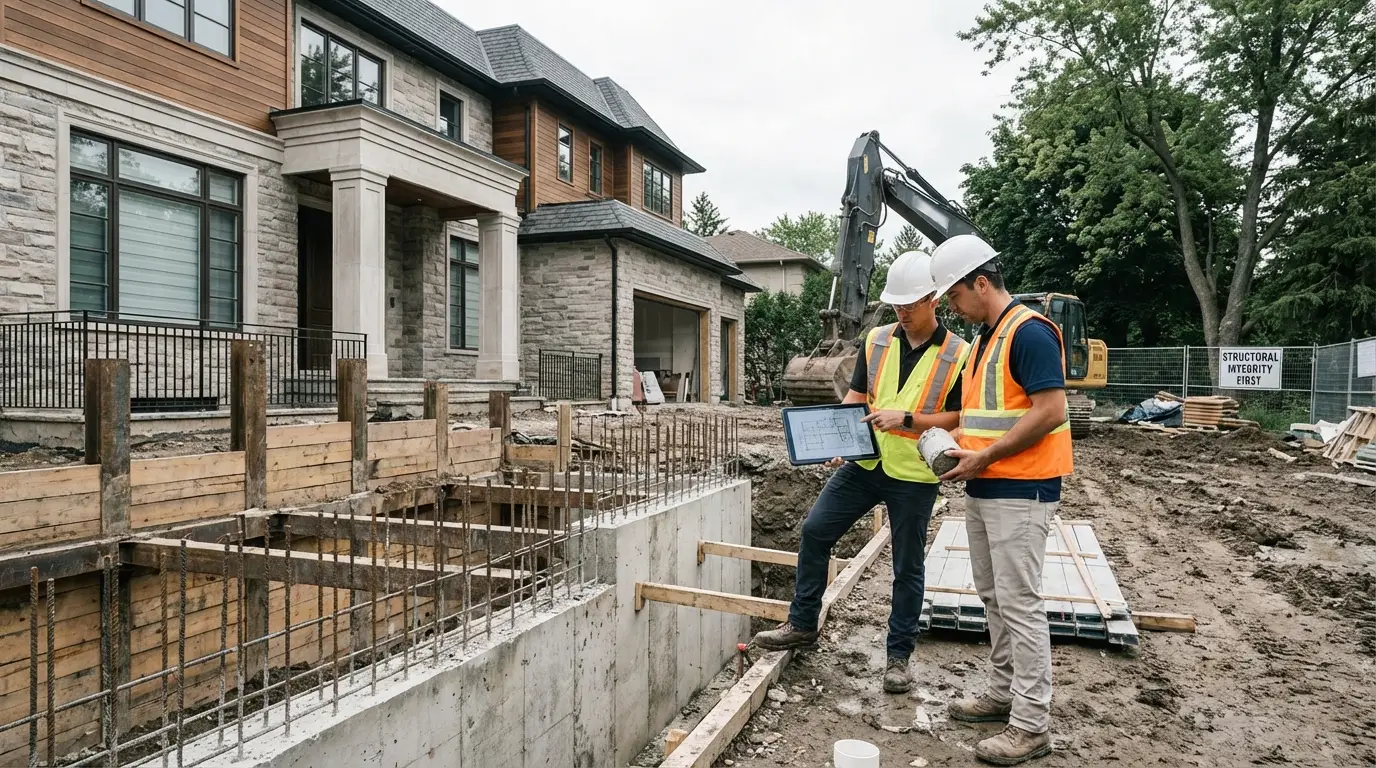
Homeowners across Toronto, Vaughan, Mississauga, Brampton, Oakville, and Richmond Hill often face the challenge of maintaining their properties amid the region’s harsh and variable climate. It’s not uncommon to seek quick cosmetic fixes to cover up visible problems like cracked walls or sagging floors, only to find these issues resurfacing despite the expense. However, the real challenge lies beneath the surface: deep structural issues that cosmetic repairs fail to resolve, leading to ongoing financial loss and diminishing home value.
Understanding the difference between surface symptoms and deep-rooted problems is essential for making wise investment decisions. The fluctuating climate in the Greater Toronto Area accelerates structural wear, making superficial repairs a short-lived and inefficient solution. This article unpacks the technical context, delivers contractor-grade recommendations, and reveals how a strategic approach focusing on structural integrity ultimately saves money, enhances home longevity, and safeguards property value.
Why Cosmetic Fixes Fail to Address Deep Structural Issues in GTA Homes
In many homes throughout the GTA, cosmetic fixes like repainting walls, patching drywall, or replacing floor tiles are the first response to visible defects. Although these repairs might restore a visual appeal temporarily, they rarely fix the underlying causes, which commonly include foundation settlement, subfloor decay, or compromised framing. These issues are often masked by superficial work, creating a false sense of security for homeowners.
The climate in Southern Ontario, characterized by freeze-thaw cycles, heavy snow, and rainy summers, puts immense pressure on building envelopes. For instance, seasonal moisture infiltration can accelerate wood rot beneath flooring systems or cause soil movement around foundations, which in turn leads to cracks in walls or sagging floors. Applying paint or replacing drywall in such scenarios is akin to putting a bandage on a fracture—the symptom may vanish momentarily, but the root problem worsens over time.
From a technical perspective, these cosmetic repairs do not reinforce or restore the structural members that maintain the building’s integrity. This neglect can escalate risks of severe damage such as major foundation failure, wall bowing, or uneven floors that affect not just aesthetics but also safety and energy efficiency. In fact, continued superficial repairs may lead to compounded costs because the structural deterioration accelerates unnoticed.
For homeowners in cities like Toronto or Mississauga, prioritizing long-term solutions over cosmetic quick fixes aligns with both the financial wisdom of preventive maintenance and the requirements of increasing property standards. Professionals report that delaying proper structural assessment often results in hazardous living conditions and costly emergency interventions, whereas timely diagnostic visits and appropriate remediation stabilize the property evolution.
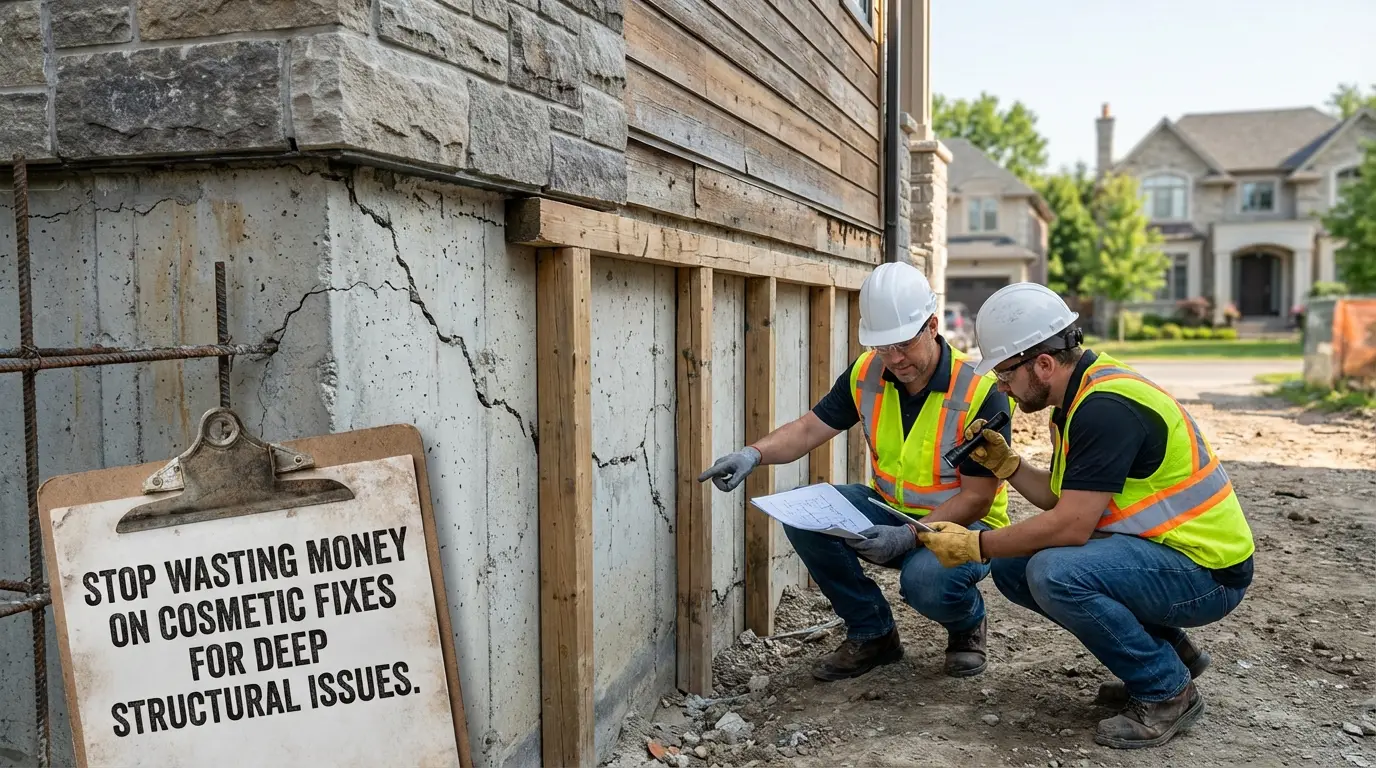
Technical Analysis: What Happens Behind the Walls and Under the Floor?
Understanding why deep structural issues develop is key to effective remediation. Homes in the GTA are typically built with wood framing supported by concrete foundations and often rest on engineered subfloors. Each element interacts with environmental stressors, material properties, and aging processes, which if ignored, give rise to complex problems beneath cosmetic surfaces.
Foundation and Soil Mechanics
The soil beneath a home shifts due to moisture variations, freezing, and thawing. These soil movements cause foundation walls and footings to settle unevenly or crack. Such disturbances transmit stresses up through the structure causing drywall cracks, uneven flooring, and door misalignments. Without stabilizing the foundation and mitigating soil issues, surface repairs won’t prevent recurrence.
Subfloor and Floor Joists
Subfloor materials must resist moisture and provide long-lasting stability. In many GTA homes, plywood or OSB subfloors deteriorate when exposed to humidity or leaks, losing their rigidity and contributing to floor sagging or bounce. Moisture traps hidden beneath carpets or finishes worsen the decay. Ignoring subfloor repairs leads to progressive structural failure that cosmetic finishes conceal.
Load-Bearing Walls and Framing
Framing members are the building’s skeleton. Exposure to insects, moisture, or physical stress weakens beams and studs. Over time, this causes deformation, jeopardizing load transfer and structural soundness. Superficial wall repairs don’t address rot or insect damage hidden inside walls, which compromises safety and longevity.
Insulation and Vapor Barriers
Properly installed insulation and vapor barriers protect structural elements from condensation and moisture infiltration. Many older homes in GTA lack modern vapor barriers or have gaps that trap moisture within walls and floors, accelerating deterioration from within. Effective repairs demand opening walls or floors to replace compromised insulation, something cosmetic fixes fail to do.
This technical insight underscores why restoring structural integrity requires a comprehensive approach. It also explains the frustration homeowners feel when repairs like new paint or drywall fail to stop cracks from reappearing. True remediation focuses on the root cause, shielding the home from further damage and aligning with long-term investment goals.
Key Professional Recommendations to Stop Wasting Money on Superficial Repairs
- Conduct a Thorough Structural Diagnostic Visit: Engage certified experts to assess foundation integrity, framing condition, subfloor and moisture status. This factual analysis reveals hidden problems before costly superficial repairs.
- Prioritize Foundation Repairs and Soil Stabilization: Use proven techniques like underpinning or helical piers to correct shifting foundations, especially vital in Toronto’s variable soil conditions.
- Replace or Reinforce Subfloor Systems Accurately: Specify durable, moisture-resistant materials engineered for GTA’s humidity. Subfloors made with higher-grade plywood or composite boards improve longevity versus basic alternatives.
- Upgrade Framing Elements When Necessary: Treat or replace compromised studs and beams to restore load-bearing capacity and prevent further deformation.
- Install or Repair Vapor Barriers: Protect walls and floors by adding or restoring vapor control layers, critical in preventing mold growth and wood rot.
- Integrate Preventive Maintenance Plans: Schedule annual inspections especially before and after seasonal changes to catch early signs of structural stress in Vaughan or Richmond Hill homes.
- Communicate Realistic Solutions Over Trendy Quick Fixes: Avoid trends like decorative shims or cosmetic fillers that mask symptoms without fixing causes.
- Educate Homeowners About Material Durability: Highlight why choosing robust materials compatible with local climate reduces repetitive repairs and expenses.
- Document All Repairs and Inspections: Maintaining comprehensive records helps with property valuation and anticipating future maintenance.
- Engage Licensed Contractors Experienced in GTA Structures: Expertise in local building codes, climate impact, and best construction practices ensures compliance and performance.
For an expert inspection, focus on minor floor deflections and foundation wall cracks that may be hidden beneath finishes. These subtle indicators often forecast deeper structural degradation invisible to the untrained eye.
The CNG Professional Approach to Lasting Structural Integrity
Our method starts with a detailed Diagnostic Visit performed across the Greater Toronto Area, including Mississauga and Oakville, where environmental factors and local building practices influence home structure. The Diagnostic Visit thoroughly evaluates foundation status, framing conditions, subfloor health, and moisture presence using specialized tools and techniques.
What sets our service apart is that the Diagnostic Visit fee is fully credited toward the final cost of necessary repairs, making it a financially savvy first step. Our team prioritizes durable, code-compliant solutions designed to withstand GTA’s climate stresses. This proactive strategy prevents endless cycles of cosmetic fixes and positions homeowners for stable property value growth.
From underpinning foundations with helical piles to specifying moisture-resistant subfloor materials, we adopt best-in-class engineering combined with quality craftsmanship. The goal is to deliver the structural integrity every investment deserves, minimizing future disruptions and enhancing safety.
Clients from Toronto to Richmond Hill who have engaged this approach consistently report fewer callbacks, increased comfort, and maximized long-term value. Booking a Diagnostic Visit is the critical gateway to unveiling hidden problems and executing a strategic repair plan aligned with real estate market expectations.
Comparing Structural Issue Scenarios: Risks and Benefits
| Situation/Strategy | Risk Level | Proactive Benefit |
|---|---|---|
| Ignoring cracks and cosmetic patches | High – Accelerated deterioration and hidden failure | None – Temporary relief, long-term cost increase |
| Diagnostic Visit with professional assessment | Low – Early detection and defined repair plan | Comprehensive insight, informed investment |
| Foundation underpinning and soil stabilization | Very low – Corrects root cause | Stable structure, prevents future shifts |
| Replacing subfloors with standard plywood | Moderate – Short lifespan in GTA climate | Temporary fix, potential future failure |
| Replacing subfloors with moisture-resistant engineered panels | Low – Supports long-term durability | Reduced maintenance, enhanced comfort |
Taking Professional Action to Protect Your Investment
Homeowners in the GTA are urged to consider the deeper implications of visible damages. Contacting a licensed contractor to arrange a Diagnostic Visit is a prudent step toward securing the longevity and value of any property. Whether located in Vaughan, Brampton, or Oakville, understanding the full scope of structural integrity is essential.
By choosing a team that credits the Diagnostic Visit toward future repairs, homeowners practice financial wisdom while paving the way for comprehensive, effective solutions. Don’t let cosmetic fixes drain your resources; prioritize structural health with expert guidance.
Call (647) 669-7346 or visit the Contact Us page today to book your Diagnostic Visit. Protect your investment with precision and professionalism.
Technical Glossary for Structural Home Repairs
- Foundation Settlement: The downward movement of a building’s foundation due to soil compaction or shifting, often causing structural cracks.
- Subfloor: The layer of material beneath the finished floor that provides support and stability, typically plywood or engineered panels.
- Underpinning: A method of strengthening and stabilizing an existing foundation by extending its depth or breadth.
- Vapor Barrier: A material used to prevent moisture from penetrating walls or floors, reducing the risk of rotting and mold.
- Helical Piers: Screw-like steel shafts installed into the ground to support and stabilize foundations subject to soil movement.
Why are cosmetic fixes insufficient for structural problems?
Cosmetic fixes address only visible damage without repairing the underlying structural causes, often leading to recurring issues and increased repair costs.
How does the Greater Toronto Area climate affect home structures?
Freeze-thaw cycles, humidity, and soil movement in the GTA accelerate foundation settlement and wood deterioration, demanding durable construction materials and preventive maintenance.
What is the benefit of a professional Diagnostic Visit?
A Diagnostic Visit provides a comprehensive assessment uncovering hidden issues, enabling targeted repairs that protect home longevity and prevent unnecessary expenses.
Are moisture-resistant subfloors necessary in GTA homes?
Yes, they are essential for resisting the region’s humidity and preventing subfloor decay, which preserves floor stability and comfort.
Can delaying structural repairs impact home value?
Delaying repairs risks worsening damage that can drastically reduce a property’s market value and lead to costly emergency fixes.