
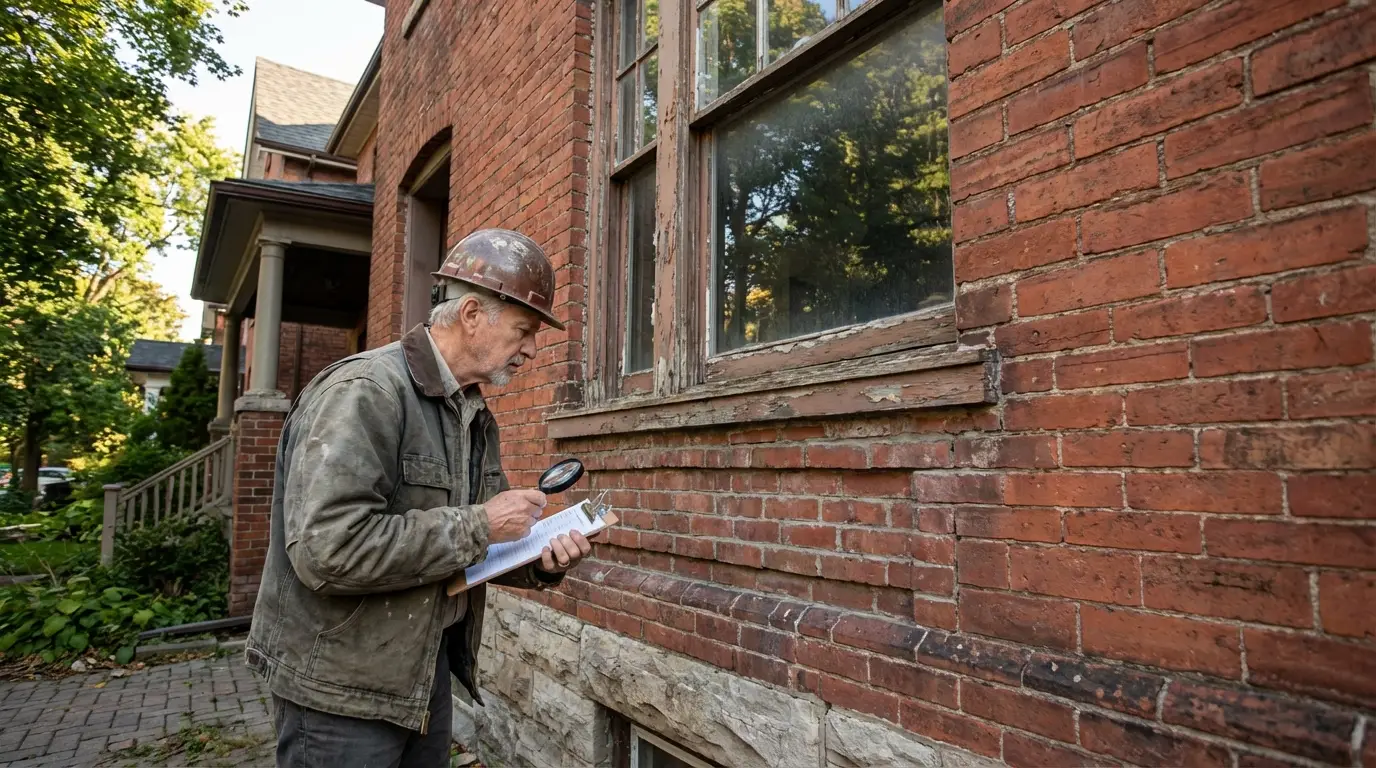
Modernizing a historic property in Toronto is more than a renovation project; it is a strategic investment that respects architectural heritage while meeting today’s standards for safety, efficiency, and comfort. Toronto’s diverse climate—with cold, snowy winters and humid summers—adds layers of complexity to upgrading century-old homes. The challenge lies in balancing Preservation and Modernization, ensuring that the character-defining elements remain intact while mechanical systems, insulation, and structural components are refreshed or replaced to meet current Building Codes and safety regulations.
Owners in vibrant GTA neighborhoods such as Toronto proper, Vaughan, Mississauga, Brampton, Oakville, and Richmond Hill are frequently faced with the decision to restore legacy materials like soft brick and old-growth wood while integrating Sustainable Materials and Restoration Techniques that ensure durability and compliance. Understanding the nuances of Architectural Design within the parameters of Heritage Conservation is crucial for safeguarding both the property’s value and its story. This process requires a comprehensive Master Plan that anticipates long-term maintenance and respects Historic Preservation frameworks alongside modern living standards.
Understanding the Technical Foundations of Historic Property Modernization in Toronto
Behind the walls of a historic Toronto home, numerous systems and materials demand a tailored approach grounded in both tradition and modern building science. Traditional wood framing, plaster walls, lime-mortar masonry, and single-pane windows all function differently than their modern equivalents, requiring specialized assessment and intervention.
For example, Toronto’s humidity and seasonal temperature fluctuations can cause moisture ingress behind old brick facades where lime mortar was originally used instead of harder Portland cement mixes. If improperly repointed with modern mortar, the bricks become vulnerable to spalling and deterioration. Doors and windows originally crafted from dense old-growth timber must be maintained with care, often repaired with epoxy consolidation and restored glazing, rather than replaced by bulkier vinyl units that alter sightlines and degrade façade authenticity.
Electrical and plumbing systems in historic homes frequently utilize outdated knob-and-tube wiring or galvanized piping, which are both risks for safety and efficiency. Upgrading these components involves working within limited wall cavities or behind historic plaster, underscoring the importance of minimal intervention that preserves character-defining finishes wherever possible. Similarly, air sealing and insulation upgrades should respect vapor profiles to avoid trapping moisture, potentially leading to mold or wood rot.
This technical complexity accentuates why contractor expertise rooted in both heritage protection and technical modernization is indispensable. A skilled team will assess the entire envelope holistically, implementing repairs that align with both Preservation and safety standards. This ensures that modern systems function effectively without compromising the home’s long-term structural integrity or aesthetic value.
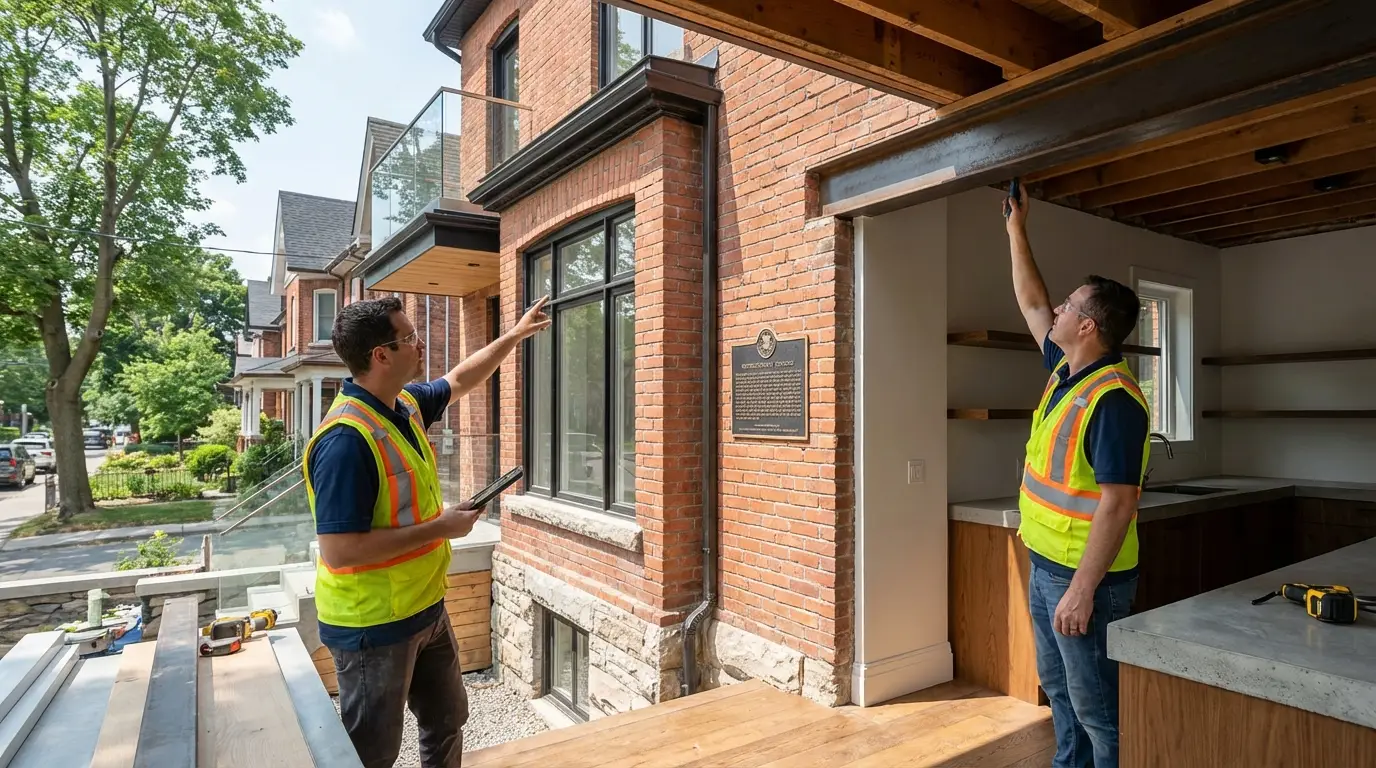
Essential Recommendations for Safely Upgrading Your Historic Toronto Home
- Comprehensive Condition Documentation: Begin with a detailed photographic and measured record of existing architectural details—masonry patterns, woodwork profiles, and interior finishes—which guide both design preservation priorities and realistic budgeting.
- Prioritize Moisture Management: Address water infiltration risks first through grading corrections, downspout extensions, flashing repairs, and proper attic ventilation to safeguard wood and plaster components from decay.
- Selective Restoration of Masonry: Use lime-rich mortar mixes compatible with original brickwork to repoint joints. Avoid sandblasting and harsh cleaning techniques that permanently damage brick surfaces.
- Window and Door Conservation: Restore original wood frames through epoxy repairs and new glazing to enhance thermal performance while maintaining historic sightlines and muntin configurations.
- Insulation and Air Sealing Upgrades: Focus on attics and accessible walls; apply materials and techniques that respect vapor barriers and allow wood framing to breathe, preventing trapped moisture issues.
- Electrical and Plumbing Modernization: Safely replace obsolete knob-and-tube wiring and galvanized pipes, planning routing routes that minimize damage to plaster walls and original millwork.
- Heating and Cooling System Optimization: Choose appropriately sized, high-efficiency systems—such as heat pumps where electrical capacity permits—ensuring balanced air distribution without excessive noise or vibration.
- Minimal Intervention and Accurate Matching: When replacement is necessary, replicate profiles, materials, and finishes as closely as possible to preserve architectural cohesion.
- Permit and Heritage Approval Navigation: Secure all necessary permits early, including heritage permits for exterior changes, factoring in potential review times to avoid costly delays.
- Plan for a Sequenced Renovation: Establish stepwise project phases that preserve finishes and mitigate risk of damage—structural and envelope repairs first, followed by systems upgrades, insulation, and final finishes.
Advanced Inspection Tip: Always examine hidden feasibility areas such as behind baseboards and under floorings to detect moisture hidden within framing or plaster, which can undermine restoration success if left untreated.
The CNG Professional Solution to Historic Home Modernization Challenges
At CNG Contracting, the approach to modernizing a historic property in Toronto is anchored in deep expertise and respect for heritage. Our team coordinates comprehensive diagnostics that assess structural, mechanical, and architectural conditions with precision. This enables us to tailor a restoration and upgrade plan that protects original details while embedding modern performance improvements aligned with Building Codes and Safety Standards.
Our Diagnostic Visit provides a complete onsite review, including documentation of heritage features, performance assessments of building envelope integrity, and system evaluations. Importantly, this initial evaluation fee is fully credited toward the overall project, emphasizing our commitment to transparent, value-driven service. We recognize the unique complexity that heritage homes present across the GTA—whether in Toronto, Vaughan, Mississauga, Brampton, Oakville, or Richmond Hill—and adapt our proposals accordingly.
Working collaboratively with heritage planners and local authorities, we help homeowners obtain necessary approvals and manage permit processes efficiently. Through meticulous restoration techniques combined with modern mechanical upgrades, we help secure the longevity and market value of your investment while respecting its historical essence.
Comparing Modernization Scenarios for Heritage Homes in Toronto
| Situation/Strategy | Risk Level | Proactive Benefit |
|---|---|---|
| Preserving original windows with restoration and adding interior storm panels | Low | Maintains historical aesthetics while significantly improving energy efficiency |
| Full window replacement with modern vinyl units | High | Quick energy gain but risks damaging façade character and long-term property value |
| Repointing masonry with compatible lime mortar | Low | Protects brick integrity and prevents moisture damage |
| Using hard Portland cement mortar for repointing | High | Leads to accelerated brick spalling and costly repairs |
| Upgrading HVAC with a properly sized heat pump system | Low | Improves comfort and reduces energy consumption without overtaxing electrical services |
Strategic Call to Action for Toronto Heritage Homeowners
Homeowners committed to enhancing their historic properties safely and effectively are encouraged to connect with trusted professionals who combine heritage knowledge with construction expertise. By booking a professional Diagnostic Visit with CNG Contracting, you gain a thorough understanding of your home’s needs and a clear Master Plan for modernization. This ensures each step respects your home’s legacy while securing decades of functionality and value. For consultations, call (647) 669-7346 or visit our Contact Us page to schedule an appointment.
Technical Glossary for Historic Home Modernization
- Lime Mortar: A flexible, breathable mortar traditionally used in masonry work that allows moisture to escape and prevents brick damage.
- Knob-and-Tube Wiring: An early electrical wiring method that is outdated and poses fire hazards, requiring replacement or certified inspection.
- Air Sealing: Techniques to reduce unwanted air infiltration through cracks and openings, improving energy efficiency and comfort.
- Heritage Permit: A municipal authorization required for altering designated historic properties to ensure preservation of character-defining elements.
- Vapor Profile: The layering and permeability of building materials in a wall assembly that governs moisture movement and prevents trapped condensation.
Do I always need a Heritage Permit for exterior renovations?
Not necessarily. Heritage Permits are required primarily for designated properties or those within Heritage Conservation Districts when altering character-defining exterior elements. Interior work often requires less scrutiny unless specific protections exist. Early verification with local heritage offices is recommended.
Can I modernize my historic home without damaging original architectural details?
Yes. With a thoughtful approach emphasizing repair over replacement, using compatible materials and minimal intervention, a skilled team can modernize your home while preserving its character.
What are common moisture risks in Toronto heritage homes?
Improper grading, blocked or ineffective flashing, and lack of attic ventilation often cause moisture infiltration, leading to decay in wood and masonry components. Addressing these issues is foundational before interior renovation.
How do I improve the energy efficiency of original wood windows?
Restoration with epoxy repairs, new weatherstripping, upgraded glazing, and adding interior storm panels maintains historic appearance while boosting thermal performance.
Is it possible to add an addition to a heritage-designated home?
Yes, but additions need to be compatible in massing, materials, and window patterns. Committee of Adjustment approvals may be necessary to ensure the addition respects the home’s historic context.