
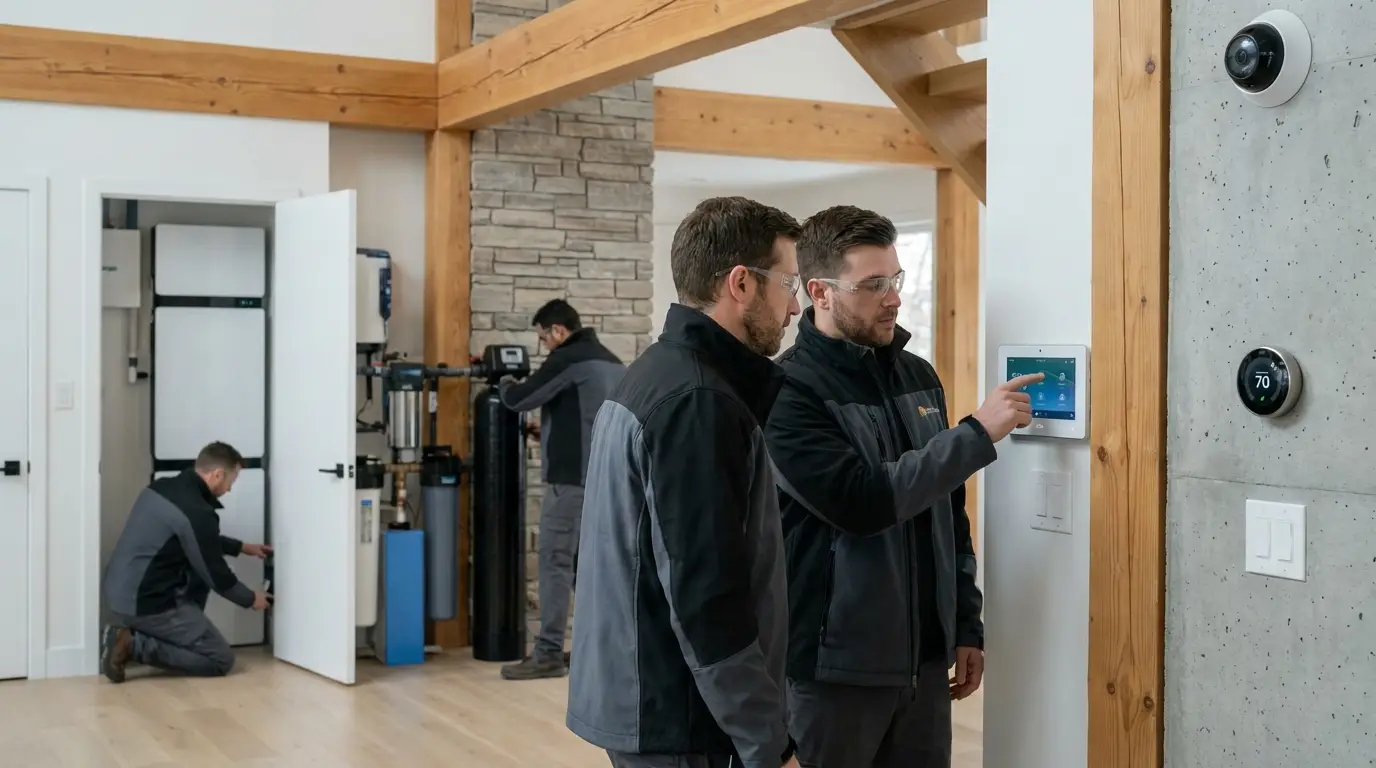
In the Greater Toronto Area, where the climate challenges range from humid summers to icy winters, the modern homeowner increasingly prioritizes systems that bolster energy efficiency, security, and adaptability. As remodeling trends evolve in 2026, these upgrades are no longer optional luxuries but vital investments in the longevity and value of residential properties. Integrating advanced technology and durable, climate-resilient materials is essential for homeowners across Toronto, Vaughan, Mississauga, Brampton, Oakville, and Richmond Hill to ensure their homes stand the test of time and meet rising standards of convenience and sustainability.
Homeowners are becoming more discerning about their environments, recognizing the importance of systems that support healthier living, optimize energy consumption, and provide seamless automation. As these modern systems become more accessible and better integrated into home designs, they contribute profoundly to structural integrity and ease of maintenance, aligning with a long-term vision for property quality and appeal. A strategic approach to remodeling turns standout features into interconnected benefits, emphasizing the larger picture of investment value within the fast-growing GTA housing market.
Technical Foundations Behind Modern Home Systems in Toronto’s Climate
Understanding the “technical why” behind these modern systems requires a deep dive into how climatic factors and home construction interplay in the GTA. The region’s fluctuating humidity and temperature extremes create unique stresses on building materials and mechanical systems. For instance, subfloor materials must be carefully chosen to resist warping caused by moisture variations typical in southern Ontario. Lightweight or cheaper alternatives often fail prematurely, leading to costly repairs down the line. This foundational choice directly impacts the durability of floors, walls, and overall structural support.
Beyond materials, embedded technology works behind the walls to optimize energy consumption and comfort. Smart thermostats with adaptive zoning respond dynamically to internal and external temperature swings, ensuring heating and cooling systems run efficiently without sacrificing performance. The integration of home networking enables real-time monitoring of indoor air quality, adjusting ventilation as needed to reduce allergens and maintain healthy environments year-round, essential given the GTA’s pollution and pollen concerns.
Home security systems have also evolved from standalone alarms to sophisticated networks interconnected across smart lighting, video surveillance, and remote access controls. Rather than isolated gadgets, these systems communicate through robust home automation platforms, providing homeowners in Brampton and Oakville with centralized command over safety measures. The technical underpinnings demand high reliability in wireless protocols and power backups to maintain protection even during outages, a critical factor for maintaining peace of mind in any neighborhood.
Water conservation systems further illustrate technical innovations tailored for local needs. Given Ontario’s focus on environmental stewardship, many modern remodels feature sensor-driven faucets and leak detectors that preemptively alert homeowners to potential issues. These devices integrate seamlessly with the home’s central control units, minimizing water waste and reducing risk of damage due to leaks—an investment in both the home’s operational sustainability and its structural health.
Ultimately, this technical fabric connects durable construction principles with advanced digital capabilities, forming the core of every well-executed remodeling effort. This approach transcends aesthetics, aiming to elevate the home’s function, resilience, and contribution to a healthier lifestyle in the GTA’s demanding climate context.
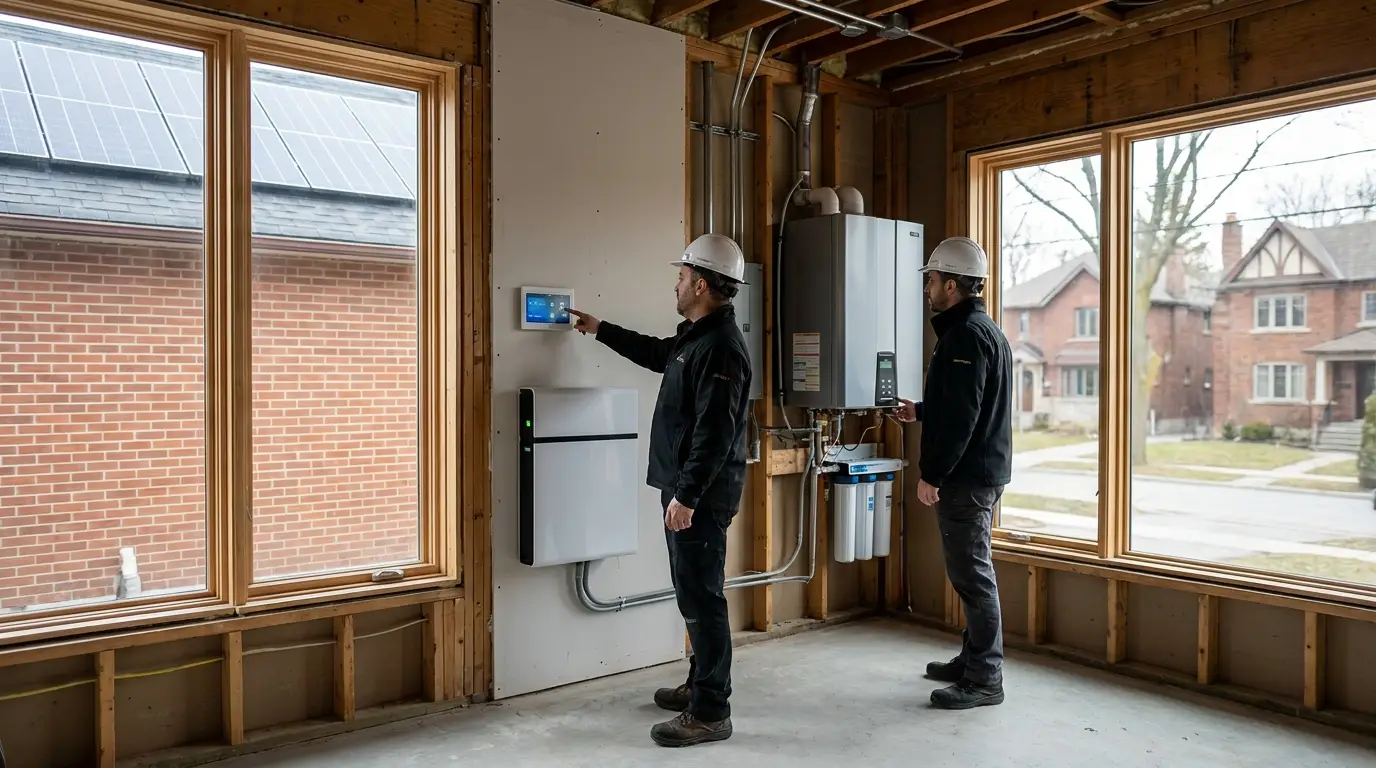
Key Modern Systems to Integrate in Every 2026 Home Remodel
- Smart Home Automation Platforms: These central command hubs connect various devices — from lighting to HVAC systems — allowing tailored scheduling and adaptive responsiveness. In areas like Vaughan and Richmond Hill, where architectural styles vary, seamless integration ensures technology complements both modern and classic aesthetics.
- Energy-Efficient HVAC and Climate Controls: Incorporating smart thermostats with adaptive zoning optimizes energy use, particularly during extreme winter freezes common across southern Ontario. These systems leverage AI to learn usage patterns, balancing comfort with utility efficiency.
- Advanced Home Security Networks: Moving beyond traditional alarms, modern systems unify video doorbells, smart locks, and motion sensors within a single interface. This integrated approach enhances security and convenience for busy homeowners in Mississauga and Oakville alike.
- Water Conservation and Leak Detection Sensors: Protecting the home’s structural integrity from hidden water damage, smart sensors offer early alerts. These systems adhere to Ontario’s conservation regulations and effectively reduce water bills and repair costs.
- High-Performance Home Networking: A wired and wireless backbone is crucial for sustaining all smart devices’ operation without lag or dropouts. Modern homes in Brampton and Toronto demand robust networking to support streaming, remote work, and automation.
- Indoor Air Quality (IAQ) Management Systems: Sensors that monitor particulate matter, humidity, and VOCs enable smart ventilation adjustments, essential for maintaining healthy indoor environments, particularly in urban areas with fluctuating outdoor pollutant levels.
- Solar Power Integration and Energy Storage: Though presently optional, solar panels with battery storage systems increasingly form part of environmentally conscious remodels, reducing dependence on the grid and enhancing energy resilience.
- Automated Lighting Solutions: More than convenience, these systems adapt illumination for circadian rhythms, enhancing wellbeing while reducing electricity use. Smooth integration with smart controls fortifies energy efficiency.
- Smart Kitchens and Bathrooms: Appliances and fixtures with AI-driven functionalities improve efficiency and lifestyle quality, from preheated smart ovens to touchless faucets that conserve water and maintain hygiene.
- Structural Enhancements in Support of Technology: Proper subflooring, wall framing, and dedicated conduits for wiring protect both tech investments and the home’s integrity, critical given Toronto’s seasonal stresses.
Contractor Pro-Tip: When planning smart system installation, pre-wire walls and ceilings during the early phases of remodeling to avoid costly retrofits. This foresight not only preserves structural integrity but allows tech to blend invisibly into the design. Considering the high humidity impact in the Toronto area, using sealed conduit helps protect wiring from moisture-related damage.
How CNG Contracting Elevates Your Home’s Systems to 2026 Standards
CNG Contracting offers tailored solutions to upgrade residential properties across the GTA, focusing on durability and seamless integration of smart and energy-efficient systems. Our team begins each project with a Professional Diagnostic Visit, designed to thoroughly assess your home’s current mechanical, structural, and automation status. This diagnostic fee is fully credited against the final project, underscoring our commitment to transparent and customer-first project planning.
Working in regions like Richmond Hill, Vaughan, and Mississauga, we address local climate considerations by selecting materials and systems proven to withstand regional environmental pressures. Our approach ensures every upgraded component—from energy-efficient windows to advanced home automation systems—links back to your home’s overall structural health and long-term value. Whether renovating kitchens with state-of-the-art smart appliances or refitting bathrooms with sensor-driven fixtures, CNG Contracting aligns your remodel with 2026’s best practices.
Booking a Diagnostic Visit is the first step toward integrating smart technology that not only anticipates your lifestyle needs but also strengthens your investment. Explore more about how to update your home’s technical systems or enhance your property’s exterior with external upgrades to maximize appeal and resilience in GTA neighborhoods.
Comparing Modern Systems Strategies and Their Value in GTA Home Remodels
| Situation/Strategy | Risk Level | Proactive Benefit |
|---|---|---|
| Basic thermostat vs. Smart thermostat with zoning | Medium: Inefficient heating and cooling, costly utility bills | High: Energy savings, tailored comfort for diverse room uses |
| Traditional security alarm vs. Fully integrated home security system (locks, cameras, sensors) | High: Vulnerability to breaches, limited remote monitoring | Very High: Comprehensive security with remote control, alerts, and automation |
| Standard lighting vs. Automated circadian rhythm lighting | Low: Minor impact on lifestyle and energy use | Medium: Improved sleep quality, energy reduction |
| Conventional water fixtures vs. Leak sensors and automated water shutoff | High: Potential for costly water damage, mold | Very High: Early detection prevents damage and conserves water |
| Unmanaged home networking vs. High-performance wired/wireless network | Medium: Network dropouts, smart tech dysfunction | High: Reliable smart home operations, seamless streaming and work from home |
Achieve Tailored Modern Home Systems with Expert Guidance
Remodeling with a focus on integrating advanced systems requires expertise and an anticipatory vision that balances immediate convenience with sustained investment value. Homeowners in Toronto, Vaughan, and surrounding areas can secure this advantage by partnering with seasoned professionals who understand local climate demands and the intricate relationship between technology and home structure. To explore how your home can benefit from a thorough assessment and tailored system upgrades, call (647) 669-7346 or visit the Contact Us page to schedule a Professional Diagnostic Visit.
Technical Glossary for Home System Integration
- Adaptive Zoning: A heating and cooling technique that sets different temperatures in various zones of a home to improve comfort and reduce energy use.
- Home Automation Platform: A centralized software system that controls connected smart devices such as lighting, security, and HVAC.
- IAQ (Indoor Air Quality) Sensors: Devices that monitor air pollutants, humidity, and other parameters to maintain a healthy indoor atmosphere.
- Smart Thermostat: A programmable thermostat capable of learning user habits and adjusting temperature settings automatically for efficiency.
- Energy Storage System: A battery system that stores electricity generated by solar panels or the grid for later use, enhancing energy independence.
For remodeling projects that incorporate the latest smart technologies, understanding the evolving landscape of home automation offers crucial insight. Technologies that are near invisible yet highly functional are setting new standards across GTA homes.
Energy efficiency in heating and cooling represents a cornerstone of quality remodeling, especially across Ontario’s varied climate zones. Comprehensive knowledge of these systems ensures homeowners achieve durable, effective upgrades.
What are the primary benefits of integrating smart home automation in a remodel?
Smart home automation enhances convenience, improves energy efficiency, and strengthens home security by centralizing control of various systems.
How does a smart thermostat contribute to energy savings?
By learning user patterns and adjusting temperatures accordingly, smart thermostats reduce unnecessary heating and cooling, lowering energy consumption.
Why is water leak detection important in GTA homes?
Early detection prevents costly structural damage and mold growth caused by hidden leaks, especially in humid southern Ontario conditions.
Can smart lighting improve health?
Yes, automated lighting that syncs with circadian rhythms enhances sleep quality and overall wellbeing while reducing electricity use.
What should homeowners consider when upgrading home networking?
Robust wired and wireless networks are key to maintaining uninterrupted smart device function, critical for modern home systems and remote work.