
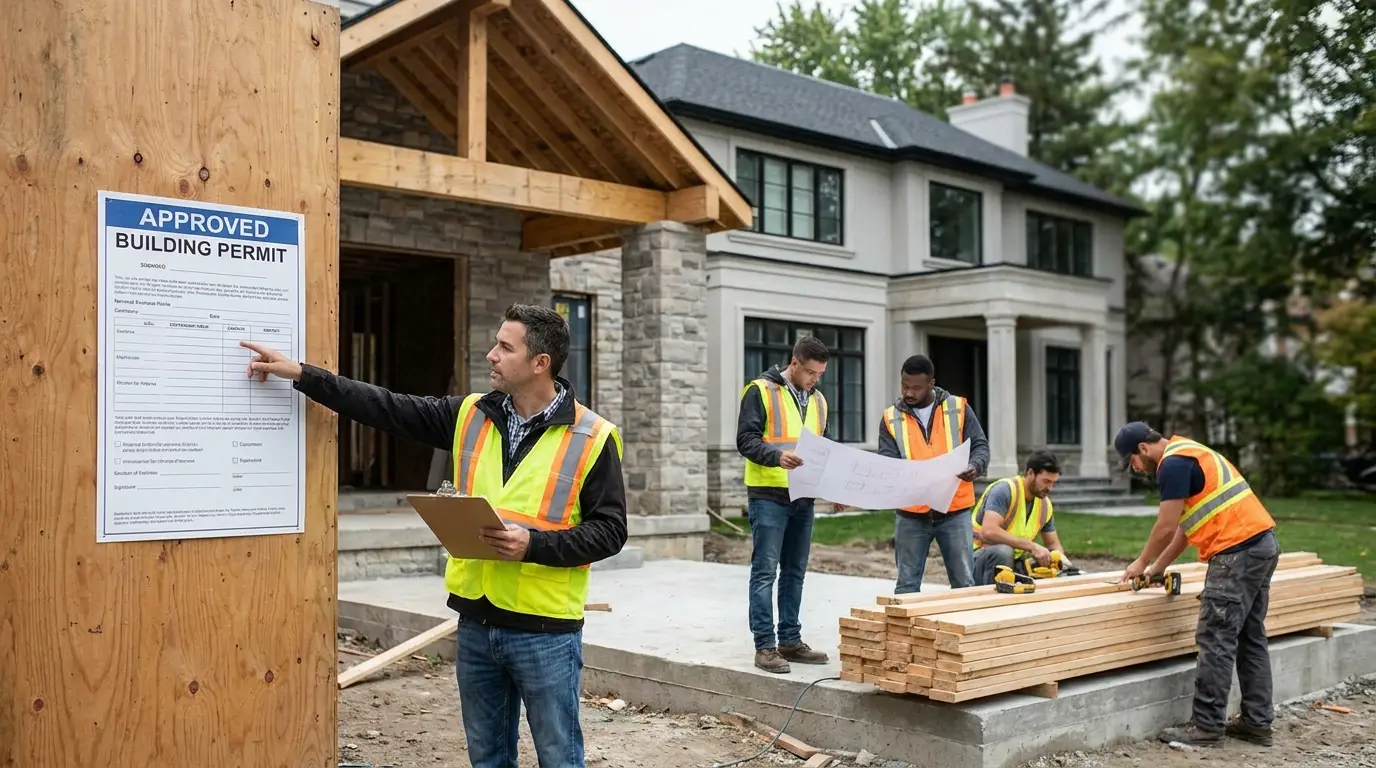
In brief:
- Building permits ensure your renovations meet legal requirements, directly protecting your investment in Toronto, Vaughan, and Mississauga.
- Proper permit documentation boosts buyer confidence, making the home resale process smoother and faster.
- Ignoring permits can lead to costly fines, forced corrections, and decreased property value, especially in competitive GTA markets.
- Experienced contractors guide permit acquisition, reducing timeline delays and avoiding common mistakes.
- Understanding the intricate inspection process and zoning laws safeguards your project from legal pitfalls.
Every homeowner and investor in Greater Toronto Area faces the crucial decision of whether to secure building permits before undertaking home improvements. In a region where fluctuating market conditions and stringent municipal regulations coexist, properly navigating this legal landscape isn’t just about following rules. It’s a strategic move to uphold property value and maximize returns during resale. This article dives deep into how building permits serve as invisible shields against costly pitfalls in the resale market and turn seemingly mundane renovations into solid, compliant investments.
Understanding the Educational Importance of Building Permits for GTA Homeowners
In cities like Toronto, Mississauga, Vaughan, and Brampton, homeowners face a climate of evolving regulations and rising real estate values. Building permits are indispensable not just for legal compliance but for protecting the long-term integrity and worth of properties. Ignoring permits risks structural flaws going unnoticed, potential code violations, and liability issues during resale. With housing markets tightening and buyers becoming more vigilant, having a permit-backed renovation history often spells the difference between a swift sale and prolonged negotiations or even reduced offers.
The local climate in the GTA, characterized by seasonal temperature swings and significant humidity shifts, affects building materials differently than in other regions. Materials that are not approved through permit processes may fail prematurely under these conditions, leading to costly repairs. Permits guarantee inspections at critical milestones, ensuring that chosen materials and construction methods stand the test of time — a critical factor as durability correlates directly with investment protection.
The inspection process tied to approved permits also acts as a quality assurance mechanism. It not only verifies compliance with standards but also prevents hidden issues that, if detected later by a buyer or insurance company, can drastically lower the market value or even derail a sale. Homeowners in Richmond Hill or Oakville understand that permits create a paper trail of trust, streamlining the financing phase and building confidence among prospective buyers.
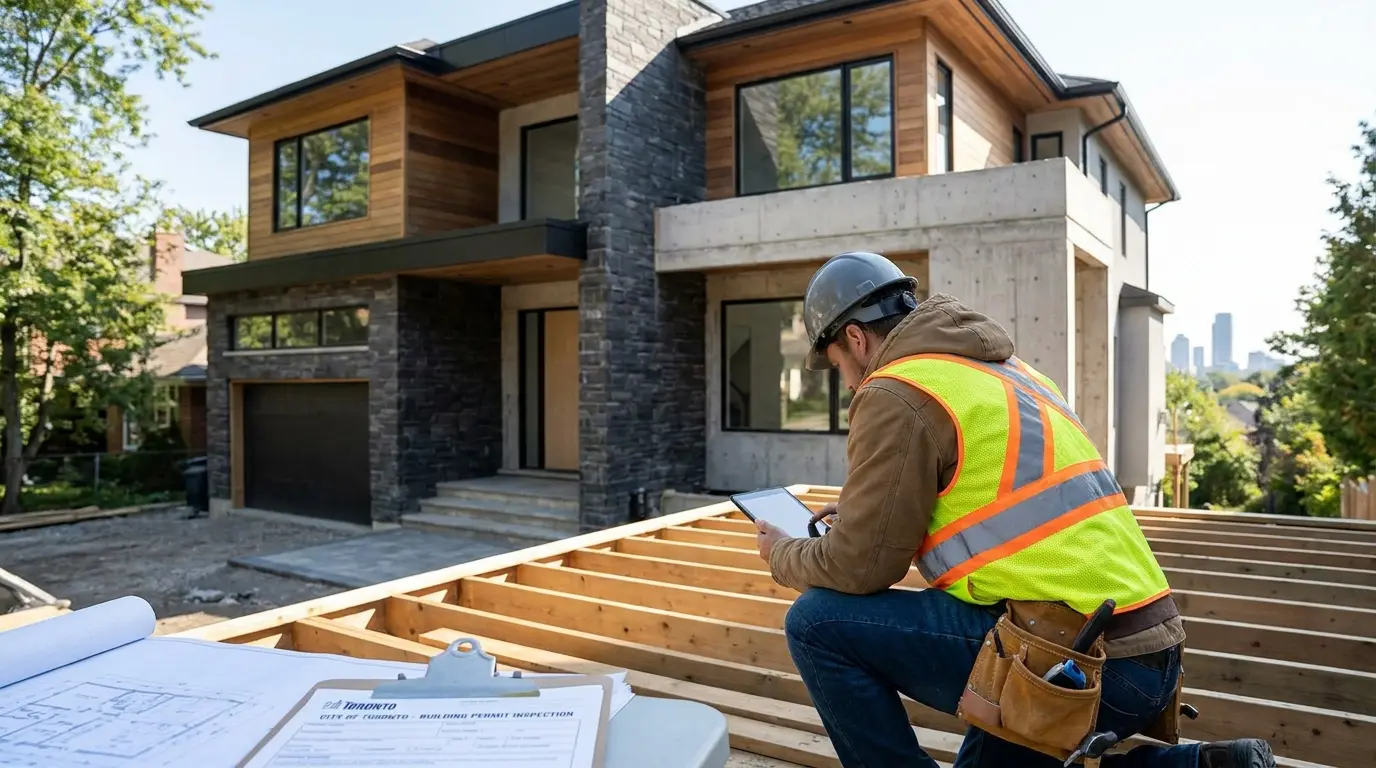
Technical Why: The Behind-the-Walls Impact of Proper Building Permit Processes
Behind every successful and legally compliant renovation lies a complex network of codes and standards monitored through the building permit process. Structurally, a permit is not just a bureaucratic hurdle but an engineered checkpoint ensuring safe and durable construction. This includes verifying load-bearing walls, proper foundation work, and adherence to fire safety and energy efficiency standards—critical elements most buyers and insurers scrutinize heavily.
Electrical and plumbing components inspected under a permit significantly lower risks of costly future repairs and hazards. For example, in cities like Toronto, improperly installed wiring without permits can void insurance policies or require expensive rewiring before resale, directly impacting the home’s market readiness.
From a materials perspective, permit-required inspections validate selections that counteract local environmental factors. In the GTA’s humid summers and freezing winters, inferior roofing or subfloor materials can warp or delaminate. A permit mandates adherence to Toronto building codes and standards, protecting investments by promoting longevity and structural integrity. The inspection process often uncovers overlooked weaknesses — like insufficient insulation or hidden water damage — that, if unaddressed, drastically decrease property value. This technical trustworthiness is invaluable when entering a competitive resale market. Subsequent buyers, lenders, and insurance agents rely on a documented history of permit-backed improvements to confidently approve financing and coverage.
Key Recommendations to Leverage Building Permits for Home Resale Success
- Know local permit requirements before starting – Each GTA municipality, including Mississauga and Richmond Hill, has specific permit guidelines. Visit local building departments or consult experts to ensure compliance.
- Verify zoning and property restrictions early – Align planned renovations with zoning laws to avoid application denial or costly reversals.
- Use seasoned contractors knowledgeable in permits – Skilled professionals facilitate quicker approvals and proper inspections, reducing delay risks.
- Budget realistically for permit-related timelines and inspections – Factor in processing time and potential re-inspections into your project schedule to prevent unexpected postponements.
- Keep meticulous records of all permit approvals, inspections, and plans – Well-documented renovations reassure buyers and lenders, increasing market attractiveness.
- Submit comprehensive applications covering all trades – Combining electrical, plumbing, and structural permits streamlines review and inspections.
- Engage in proactive communication with municipal inspection departments – Prepare for inspections and address deficiencies early to avoid correction orders.
- Consider legal suites and basement conversions carefully – In Brampton and Vaughan, specialized permits for legal suites protect resale value and meet safety standards (Brampton safe legal suites reference).
- Prioritize materials and methods tested for local climate resilience – Consult building codes to avoid unapproved alternatives that may fail prematurely.
- Understand risks of non-compliance thoroughly and prepare to address them – Fines and forced demolitions can devastate budgets if proper permits are not secured.
Pro Tip: Before the initial permit application, conduct a pre-inspection walkthrough with your contractor and a municipal inspector if possible. This insider strategy reveals potential compliance hurdles upfront, allowing adjustments before formal submission, saving costly project interruptions down the line.
How CNG Contracting Enables Smart, Compliant Renovations for Better Resale Outcomes
CNG Contracting stands as a trusted partner in navigating building permits for property owners across the GTA. Expert project leads and contractors combine local code mastery with practical, durable construction standards tailored to the unique challenges of Toronto, Vaughan, and Oakville climates. Our professional Diagnostic Visit thoroughly assesses your project’s permit requirements, uncovering hidden complexities that others might overlook. This visit fee is credited toward your final project cost, ensuring transparent value from day one.
We liaise directly with municipal authorities for swift permit applications, pre-empting typical delays by addressing common stumbling blocks such as incomplete documentation or zoning misunderstandings. Our team advises on optimal material choices compliant with provincial codes, prioritizing structural integrity and longevity. From foundation repairs to basement renovations with legal compliance, our approach safeguards your investment and enhances buyer confidence when it’s time to sell.
Through coordinated project management and transparent communication, we transform the permit challenge into a strategic asset. Our portfolio showcases successful projects across the GTA, demonstrating how compliant renovations translate into stronger property appraisal values and faster sales. Explore our detailed work examples and consider a building permits consultation as your first step to protecting and increasing your home’s market worth.
Building Permit Strategies Compared: Risks, Benefits, and Market Impact
| Situation/Strategy | Risk Level | Proactive Benefit |
|---|---|---|
| Complete permit acquisition before project start | Low – compliant with all laws and codes | Smoother resale process with buyer trust; no surprise fines or corrections |
| Permit obtained retroactively after construction | Medium – potential fines and inspection challenges | Opportunity to legitimize work but risks costly delays and may reduce buyer offers |
| Partial permits for some trades only | High – incomplete compliance increases legal and financial exposure | Reduced liability on approved areas but leaves risks on unpermitted work |
| No permits obtained for renovations | Very High – fines, forced demolition, legal challenges | Initial cost savings are outweighed by severe financial and resale penalties |
| Consulting with experienced contractors from the outset | Low – mitigates zoning and permit missteps | Saves time and money, ensures professional workmanship, protects investment value |
Maximizing Returns with Building Permits: A Practical Call to Action
For homeowners and investors in Toronto, Mississauga, and throughout the GTA, securing and respecting building permits is an essential pillar of a strategic remodeling plan. Avoid costly pitfalls by partnering with professionals who understand local codes thoroughly and can guide you smoothly through the permit and inspection process. Protect your property’s resale value by ensuring renovations meet municipal requirements and are backed by thorough documentation.
Start your project on the right foot — book a professional Diagnostic Visit with CNG Contracting to receive a comprehensive on-site review, clarity on necessary permits, and tailored advice. This initial investment is fully credited toward your subsequent renovation, setting the stage for long-term property value preservation and buyer assurance.
Contact us today at (647) 669-7346 or visit our Contact Us page to schedule your appointment and take the first step toward a smart, compliant home improvement journey.
Technical Glossary of Building Permit Terms for Homeowners and Investors
- Building Permit: Official authorization from the municipal authority validating that construction or renovation plans comply with local codes and regulations.
- Zoning Laws: Regulations determining land use, property types allowed, and restrictions on construction or renovation within specific municipal areas.
- Inspection Process: Scheduled reviews by municipal inspectors to verify compliance at various stages of construction or renovation.
- Legal Suite: A separately-contained residential unit within a property, compliant with safety codes and permitted by local authorities.
- Load-Bearing Wall: A structural wall that supports weight from floors and roofs, critical to the integrity of the building.
Why are building permits critical for home resale in the GTA?
Building permits certify that renovations meet safety and code standards, making properties compliant and more attractive to buyers and lenders.
Can a home be sold if it has unpermitted renovations?
Yes, but it usually complicates financing and reduces buyer confidence, often leading to renegotiations or lower offers.
What types of renovations typically require permits in Toronto and surrounding areas?
Projects involving structural changes, electrical, plumbing, HVAC, roofing, or foundation work generally require permits to ensure compliance.
How does partnering with experienced contractors ease the permit process?
Contractors familiar with local codes and permit requirements facilitate smoother applications, accurate inspections, and timely project completion.
What risks do homeowners face if they skip obtaining permits?
Risks include fines, forced corrections or demolitions, legal challenges, insurance problems, and diminished property resale value.