
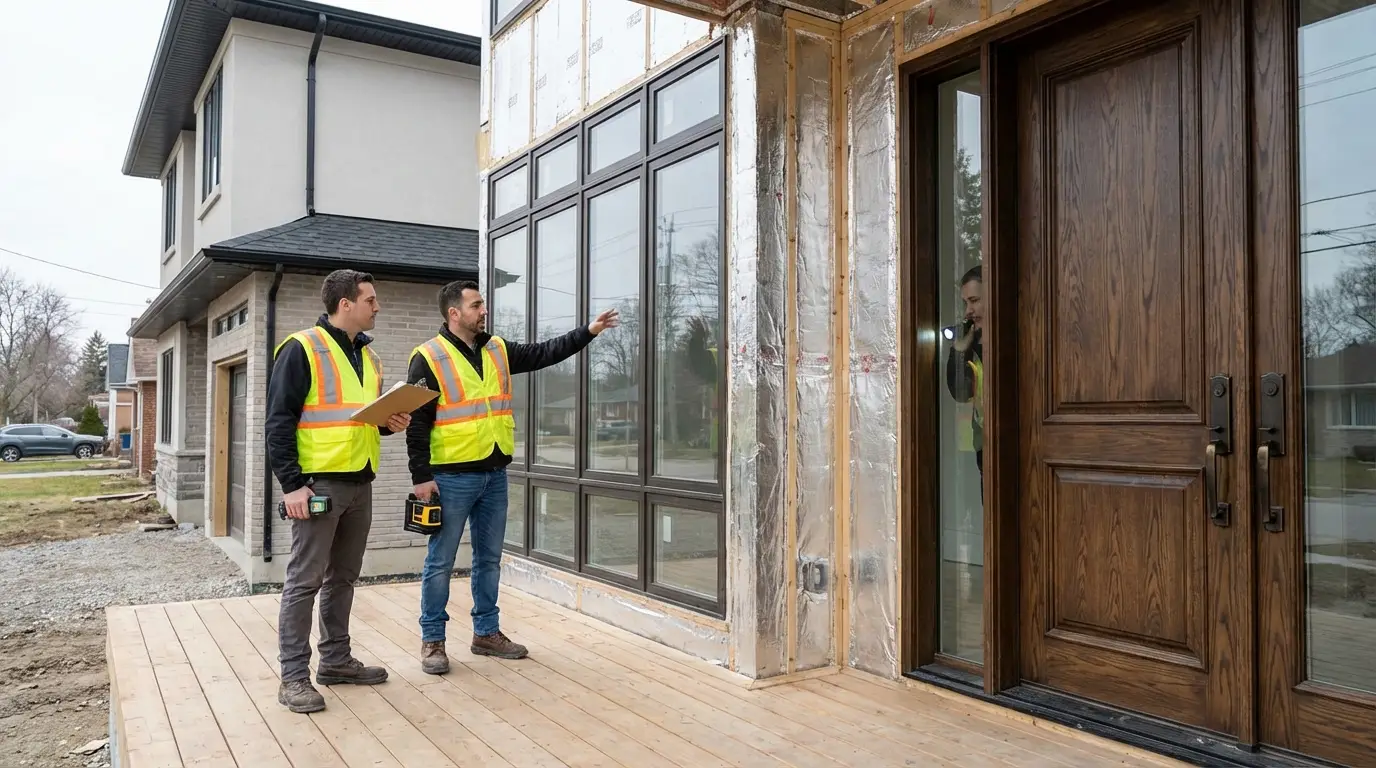
In the urban pulse of the Greater Toronto Area, homeowners are continually seeking smart, manageable ways to enhance their living spaces without embarking on extensive renovations. Minor adjustments that streamline daily routines and improve comfort have become particularly invaluable, bridging the gap between aesthetic upgrades and functional durability. Amidst the fluctuating demands of family life, work-from-home dynamics, and seasonal shifts—especially in Toronto, Vaughan, Mississauga, and surrounding locales—small home changes carry the potential to elevate everyday comfort and operational efficiency significantly.
Understanding these small-scale improvements reveals an opportunity to tackle common household friction points with precision. From optimizing lighting to upgrading door hardware, these subtle calibrations resonate beyond immediate visual appeal by fortifying a home’s long-term structural integrity and livability. The emphasis is on deliberate, tactical choices that underpin both ergonomic functionality and increased property value, setting the stage for a home environment that supports the rhythms of contemporary life.
These incremental enhancements foster a sense of control and sophistication in daily living by addressing often overlooked irritations—be it the unwieldy placement of keys or the subtle discomfort of worn soft furnishings. They align perfectly with the minimalism and space-saving priorities many GTA homeowners now hold dear, creating order from clutter and maximizing usable space without demanding exhaustive time investments. Seamlessly interwoven with smart home integrations and sound time management strategies, these changes present an invaluable master plan that balances form, function, and future-proofing—especially in areas prone to variable climate conditions that can degrade cheaper materials or poorly planned layouts.
Small Changes, Big Impact: Understanding Everyday Home Functionality Enhancements in the GTA
Behind every daily interaction within a home lies an intricate network of design choices and structural elements that influence comfort and ease. The Greater Toronto Area’s unique mix of climate challenges, from humid summers to freezing winters, amplifies the impact of seemingly minor home attributes—like the durability of a subfloor or the ergonomics of a kitchen layout. Technical understanding of these factors sets the foundation for meaningful upgrades that resonate through a home’s performance and longevity.
For example, a common yet underappreciated friction point is door hardware. In many homes, builder-grade knobs or levers often fail prematurely or provide inadequate grip due to lower-grade materials unsuitable for the GTA’s climate swings. Choosing premium-grade, corrosion-resistant hardware not only enhances tactile satisfaction but also integrates with the home’s exterior performance, reducing the risk of drafts or moisture infiltration impacting the envelope. This is not just a cosmetic upgrade; it’s a strategic investment in the structural modernization essential for enduring property value enhancement.
Lighting presents another vital arena where technical insight translates into daily improvement. The interplay between bulb temperature, fixture placement, and layering of light sources governs not only visual comfort but also influences circadian rhythms and space perception. For example, shifting from harsh, cool-toned overheads to warmer, well-placed lamps or dimmable LEDs can transform a room’s ambience, reducing eye strain and creating a more inviting environment. This understanding extends to the strategic placement of controls and switches, ensuring that lighting adjustments align with natural movement patterns within the home, thus enhancing efficiency and safety.
Beyond these interior elements, the technical “why” extends underground and behind walls. Moisture management, thermal bridging, and proper insulation systems are fundamental in maintaining interior comfort and reducing long-term maintenance costs. Many small changes, such as sealing gaps around utility penetrations or upgrading insulation in accessible wall cavities, work silently but powerfully to maintain consistent indoor temperatures and protect the substructure from wear. These measures also contribute to overall energy efficiency, an ever-increasing priority for Toronto-area homes.
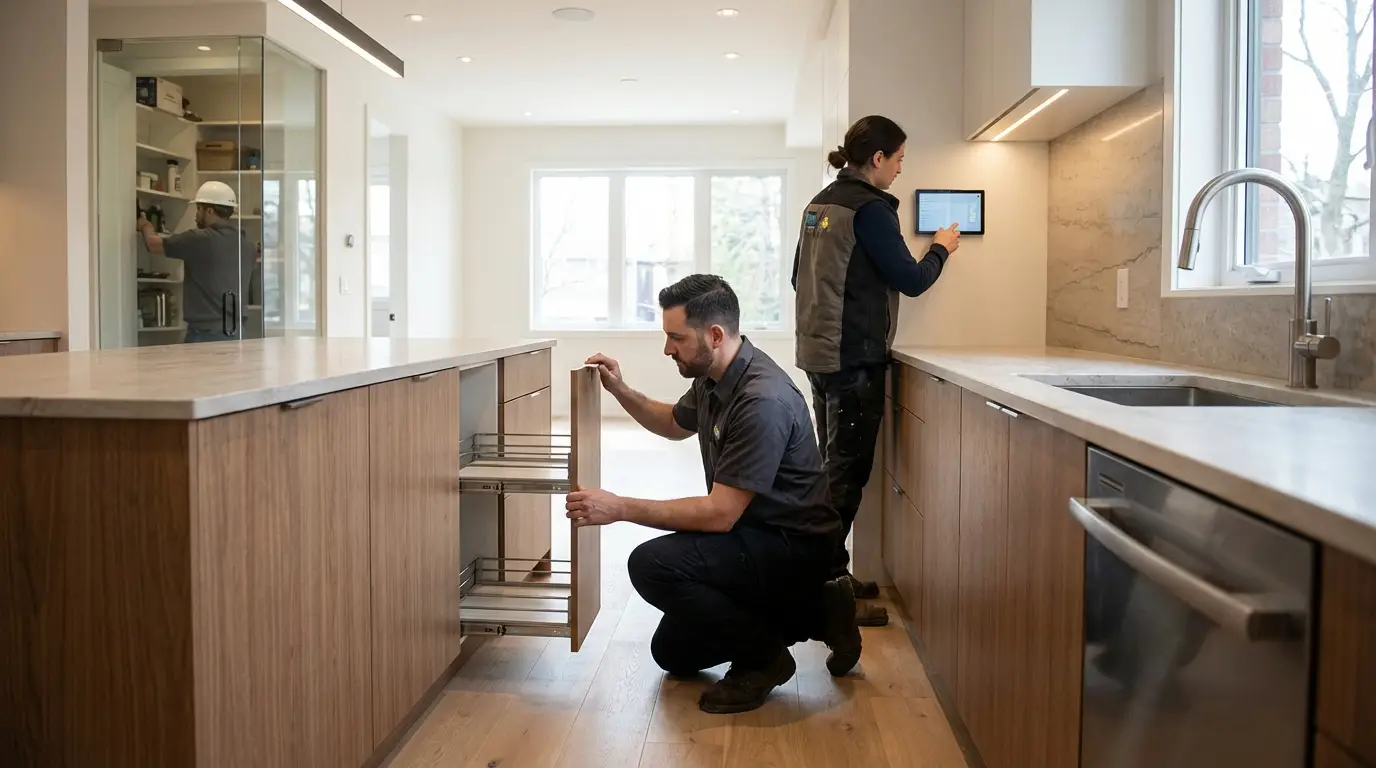
7 Essential Contractor-Recommended Steps to Elevate Your Home’s Daily Functionality
- Upgrade Tactile Surfaces: Begin with the door handles, cabinet knobs, and drawer pulls. Choose materials like brushed nickel or brass which resist Toronto humidity. This simple upgrade improves daily interaction quality and reduces replacement frequency due to corrosion or loosening.
- Optimize Lighting Layers: Incorporate a mix of ambient, task, and accent lighting to control intensity and mood. Install dimmer switches and consider smart lighting solutions that adapt to your daily routine. Proper lighting placement reduces strain and highlights key home areas.
- Create Dedicated Drop Zones: Install hooks, trays, or shallow shelves at high-traffic entry points for keys, bags, and mail. This spatial organization curtails clutter buildup, enhancing flow without imposing tough decluttering demands.
- Refresh High-Visibility Surfaces: Select one wall or surface frequently in view and refinish or repaint it. This visual reset stimulates a fresher perception with minimal investment and work, making rooms feel instantly updated.
- Enhance Soft Furnishings: Replace or rejuvenate cushions and upholstery in key seating areas with fabrics that balance durability and comfort. Use hypoallergenic, easy-to-clean textiles apt for family or pet-inhabited homes in the GTA.
- Resolve Functional Frictions: Identify and repair small nuisances such as sticky drawers, awkward shelving height, or exposed cords. Tailoring these functions to ergonomic standards enhances overall space utility and satisfaction.
- Implement Visual Containment: Apply minimalistic storage solutions that emphasize alignment and grouping to make frequently used items feel intentionally placed rather than messy. This approach supports daily time management by simplifying item retrieval and storage in busy households.
Contractor Pro-Tip: When installing new door hardware or cabinetry pulls, ensure the screw depth is measured precisely to avoid damaging concealed wiring or insulation—a common oversight that can create hidden repair costs down the line.
The CNG Professional Solution to Unlocking Practical Home Improvements
At CNG Contracting, the approach to enhancing home functionality begins with a Professional Diagnostic Visit. This in-depth on-site assessment within Toronto and nearby cities like Vaughan, Mississauga, and Brampton uncovers underlying issues often missed in casual inspections—such as suboptimal room layouts or compromised home envelopes. This visit fee is fully credited toward any ensuing project, ensuring both transparency and value.
Our team assesses material quality, structural integrity, and functional ergonomics, guiding homeowners toward practical upgrades that balance aesthetics with long-term durability. Whether it is structural modernization in older homes or tailored small fixes to improve everyday flow as explained at room layouts affecting home flow, CNG combines technical expertise with practical wisdom.
From the selection of the most suitable durable finishes that resist weather extremes to creating strategic home envelope improvements that optimize energy efficiency, CNG’s solutions ensure that incremental changes compound into a residential environment primed for comfort, efficiency, and enduring value appreciation.
Technical Comparison of Common Home Improvement Scenarios in the GTA
| Situation/Strategy | Risk Level | Proactive Benefit |
|---|---|---|
| Retaining Builder-Grade Hardware | High risk for rapid wear and moisture-related damage | Low initial cost but results in frequent replacements and interruptions |
| Upgrading to Premium Corrosion-Resistant Door Handles | Low risk with proper installation and maintenance | Long-lasting durability and improved daily tactile interaction |
| Leaving Single Overhead Lighting Unchanged | Medium risk due to eye strain and poor room ambiance | Minimal upfront cost but diminished comfort and utility |
| Installing Layered and Dimmable Lighting Systems | Low risk with professional installation | Improved mood, visibility, and energy savings |
| Inefficient Clutter Management | High risk for visual chaos and stressed routines | Poor time management and reduced home enjoyment |
| Establishing Dedicated Drop Zones and Storage Solutions | Low risk if planned ergonomically | Enhanced home organization, less daily clutter |
Call to Action for a Smarter, More Functional Home Today
For homeowners in Toronto, Vaughan, Mississauga, Brampton, Oakville, and Richmond Hill ready to realize practical and impactful improvements, the first step is a comprehensive Professional Diagnostic Visit. This evaluation not only identifies the sources of everyday home friction but also charts a path toward durable, efficient, and ergonomic solutions aligned with your lifestyle and the region’s climate nuances.
Contact CNG Contracting today at (647) 669-7346 or visit our Contact Us page to schedule your assessment. Taking this step sets in motion a master plan for a home that supports your daily routines with ease and enriches your property value over time.
Technical Glossary to Understand Home Improvement Terminology
- Home Envelope: The physical barrier between the indoor and outdoor environment, including walls, windows, doors, roofs, and floors, critical for energy efficiency and moisture control.
- Ergonomics: The science of designing and arranging environments to fit the users’ needs, reducing strain and improving comfort in daily activities.
- Thermal Bridging: Occurs when a less insulated part of a building allows heat to pass through a material that is more conductive than the surrounding insulation, causing energy loss.
- Corrosion Resistance: The ability of materials, especially metals, to withstand degradation caused by moisture, chemicals, or atmospheric conditions.
- Room Flow: The efficient and intuitive arrangement of spaces within a home that supports natural movement and functionality.
What are the easiest small changes to improve home organization?
Upgrading door handles, adding dedicated drop zones for keys and bags, and improving lighting layers are some of the easiest and most impactful small changes homeowners can make to improve home organization and daily efficiency.
How can lighting affect daily home functionality?
Proper lighting reduces eye strain, enhances room ambiance, and supports better time management by ensuring spaces are well-lit when and where activities occur. Layered and dimmable lighting provides flexibility for different tasks and times of day.
Is it worth upgrading builder-grade finishes in older Ontario homes?
Yes, upgrading builder-grade finishes like door hardware and cabinetry can significantly improve tactile comfort and reduce maintenance due to the harsher Canadian climate, making homes more durable and enjoyable.
Why does the GTA climate impact renovation choices?
The GTA’s fluctuating weather, with hot humid summers and cold winters, necessitates the use of durable, moisture-resistant materials and proper insulation to maintain structural integrity and energy efficiency over time.
What distinguishes small DIY changes from full renovations?
Small DIY changes focus on quick, manageable adjustments that immediately improve home function without the complexity, expense, or disruption of full renovations, aligning well with busy homeowners’ needs.